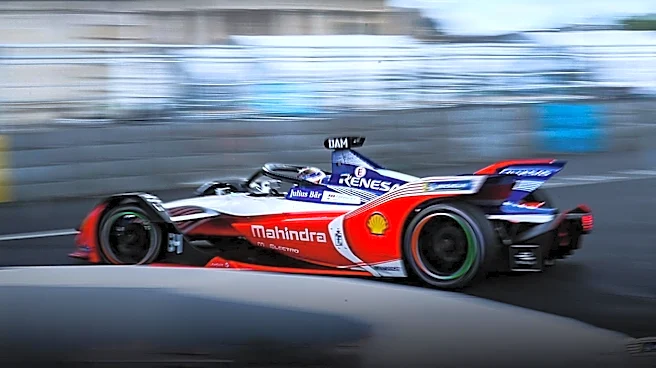


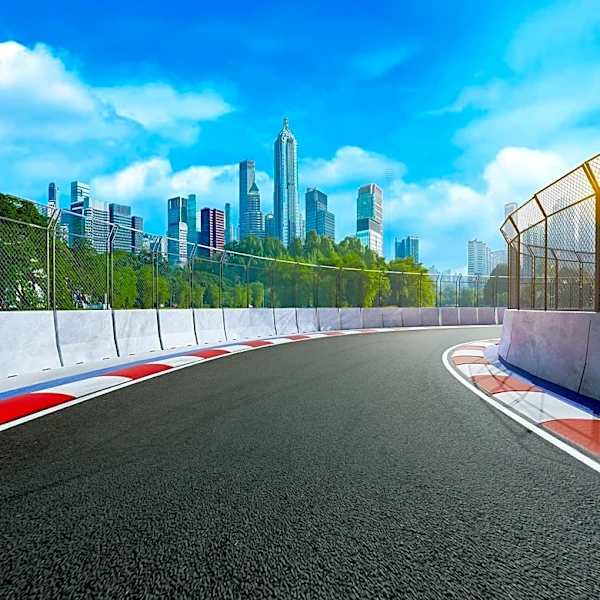
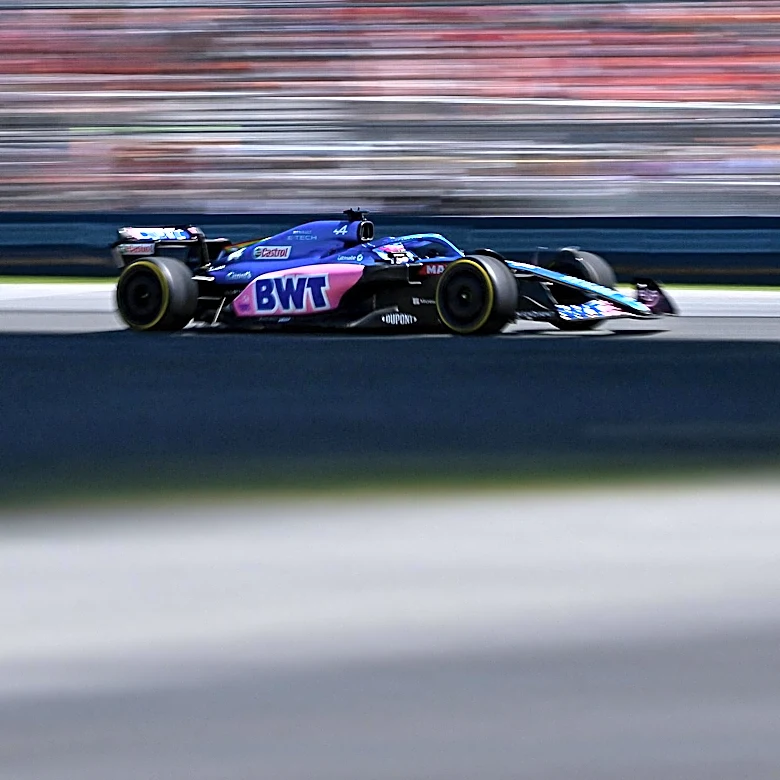



Street circuits have been a part of motorsport for many years, offering a unique racing experience that differs from traditional racetracks. Over time, these circuits have evolved, adapting to changes in technology, safety standards, and the demands of both drivers and fans. This evolution reflects the dynamic nature of motorsport and the ongoing quest to balance excitement with safety.
Early Days of Street Circuits
In the early days of motorsport, street circuits were a common
choice for races. They provided a convenient and cost-effective way to host events without the need for purpose-built facilities. Cities would temporarily close off sections of their roads, allowing drivers to race through urban landscapes. This setup offered a thrilling spectacle, with the close proximity of buildings and barriers adding to the excitement.
However, these early street circuits often lacked the safety features of modern tracks. The absence of run-off areas and the presence of hard barriers made crashes more dangerous, leading to calls for improved safety measures. As motorsport grew in popularity, the need for safer racing environments became a priority.
Modern Developments in Street Circuits
Today, street circuits have evolved to incorporate modern safety standards while still maintaining their unique character. Advances in technology have allowed for better track surfaces, reducing the bumps and improving grip for drivers. Temporary facilities, such as paddocks and grandstands, are now more sophisticated, providing a better experience for teams and spectators alike.
Safety has also been enhanced with the introduction of barriers designed to absorb impact and protect drivers. These improvements have made street circuit racing safer without sacrificing the excitement that draws fans to these events. The balance between safety and spectacle is a key consideration in the design and operation of modern street circuits.
The Future of Street Circuits
As motorsport continues to evolve, street circuits are likely to remain a popular choice for races. Their ability to bring the excitement of racing into the heart of cities makes them a unique and attractive option for event organizers. The ongoing development of technology and safety measures will ensure that these circuits continue to offer thrilling and safe racing experiences.
The future may also see more integration of sustainable practices in street circuit events, reflecting the broader trend towards environmental responsibility in motorsport. As cities and organizers work together to host these events, the evolution of street circuits will continue, adapting to the changing landscape of motorsport and the world.