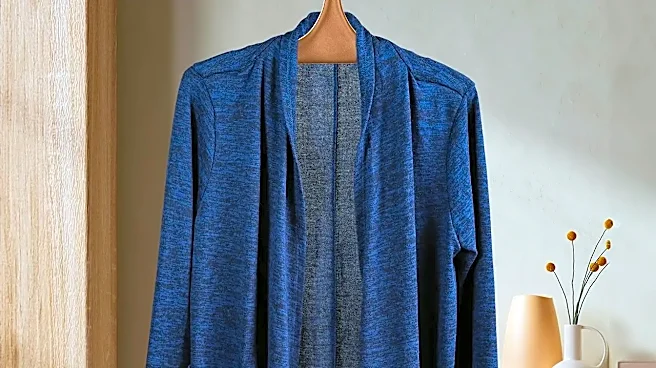

The sweatsuit, a familiar ensemble in athletic and casual wear, represents a coordinated approach to comfort and practicality. This two-piece garment, typically comprising a sweatshirt and sweatpants,
has evolved from its early origins to become a staple in many wardrobes. Its design prioritizes ease of movement and a relaxed fit, making it suitable for a variety of activities, from exercise to lounging. The concept of a matching top and bottom for athletic purposes has a distinct history, reflecting shifts in both fashion and fitness culture.
Origins of the Sweatsuit Components
The individual components of the sweatsuit, the sweatshirt and sweatpants, each have their own historical roots that predate their combination into a unified outfit. Sweatpants, for instance, were first introduced in the 1920s. These early versions were designed with functionality in mind, providing athletes with comfortable and flexible attire for training and warm-ups. Their soft fabric and loose fit were revolutionary for the time, offering a significant departure from more restrictive athletic wear.
Similarly, the sweatshirt emerged as a practical garment for athletes. It was conceived as a comfortable, absorbent top that could be worn during and after strenuous physical activity. The design often featured a crew neck and long sleeves, providing warmth and protection. The development of both sweatpants and sweatshirts laid the groundwork for the eventual creation of the sweatsuit, as designers and manufacturers recognized the benefits of pairing these items together for a complete athletic ensemble.
Popularization and Cultural Impact
The sweatsuit truly gained widespread popularity in the 1980s, a decade marked by a significant rise in fitness culture. As more people embraced exercise and active lifestyles, the demand for comfortable and functional athletic wear increased dramatically. The sweatsuit, with its inherent comfort and coordinated look, perfectly fit this burgeoning trend. It became a common sight in gyms, on jogging paths, and in casual settings, symbolizing a commitment to health and an active way of life.
Beyond the fitness boom, the sweatsuit also found a prominent place within hip-hop culture during the 1980s. Its relaxed fit and often vibrant colors resonated with the aesthetic of the era, making it a fashionable choice for musicians, dancers, and fans alike. This cultural adoption helped to solidify the sweatsuit's status as more than just athletic gear; it became a symbol of urban style and a statement of identity. The versatility of the sweatsuit allowed it to transcend its original athletic purpose, becoming a widely recognized and embraced garment in popular culture.
The Sweatsuit as a Defined Set
Fundamentally, a sweatsuit is defined as a set of exercise clothing that specifically comprises a sweatshirt and sweatpants. This coordinated pairing is what distinguishes it from simply wearing a sweatshirt with other types of pants, or sweatpants with a different kind of top. The intention behind the sweatsuit is to provide a cohesive and functional outfit, where both pieces are designed to complement each other in terms of material, style, and purpose.
This definition highlights the deliberate nature of the sweatsuit as a unified garment. While individual components like sweatpants have a longer history, their combination into a "sweatsuit" signifies a specific design choice aimed at creating a complete athletic or leisure ensemble. The enduring appeal of the sweatsuit lies in this simple yet effective combination, offering unparalleled comfort and a distinct, relaxed aesthetic that has remained relevant across decades.