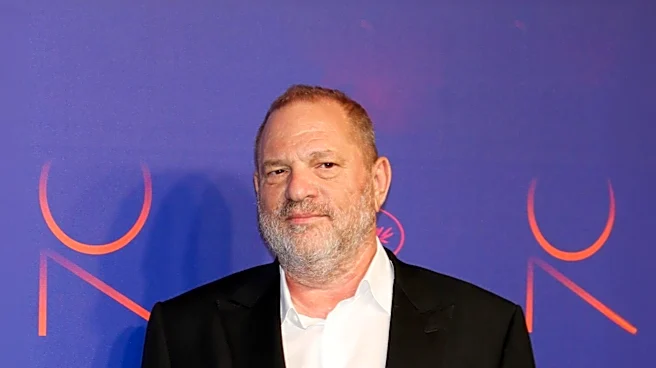






The allegations of sexual misconduct against Harvey Weinstein, which first came to widespread public attention in October 2017, did more than just expose a powerful individual; they ignited a global movement and a profound cultural shift. This phenomenon, often referred to as the "Weinstein effect," describes the cascade of sexual abuse allegations against numerous powerful figures worldwide and the subsequent societal reckoning. It began with detailed
journalistic investigations and rapidly expanded into a widespread social media campaign, fundamentally altering conversations around consent, accountability, and workplace conduct.
The Genesis of a Movement
The initial reports detailing Harvey Weinstein's alleged misconduct were published by The New York Times on October 5, 2017, followed by The New Yorker on October 10. These reports meticulously documented decades of alleged sexual harassment, assault, and rape by Weinstein, involving numerous actresses, production assistants, and other employees. The New York Times article, by Jodi Kantor and Megan Twohey, revealed eight settlements paid by Weinstein, while Ronan Farrow's New Yorker piece included accusations from thirteen women of harassment or assault and three of rape. These detailed accounts provided a critical mass of evidence that could no longer be ignored.
Weinstein's alleged attempts to suppress these stories, including employing private intelligence agencies like Kroll and Black Cube to spy on victims and journalists, ultimately failed. The sheer weight of the allegations, combined with the credibility of the reporting, broke through the silence that had reportedly protected him for years. The public outcry was immediate and intense, leading to Weinstein's swift dismissal from his company and expulsion from the Academy of Motion Picture Arts and Sciences, signaling a significant shift in how such accusations would be handled by institutions.
The #MeToo Campaign and Its Reach
Following the initial reports, the number of women accusing Weinstein of sexual harassment, assault, or rape rapidly grew, exceeding 80 by November 2017. A group of alleged victims, led by Italian actress Asia Argento, even released a list of over 100 alleged instances of sexual abuse by Weinstein, dating from 1980 to 2015, including eighteen allegations of rape. This collective outpouring of experiences underscored the pervasive nature of sexual misconduct within the entertainment industry and beyond.
These allegations directly sparked the #MeToo social media campaign. While the phrase "Me Too" had been used previously by activist Tarana Burke, the Weinstein scandal propelled it into a global phenomenon. Millions of people, predominantly women, began sharing their own stories of sexual harassment and assault using the hashtag, demonstrating the widespread prevalence of such experiences. This collective voice created an unprecedented platform for victims and survivors, fostering solidarity and demanding accountability from perpetrators and institutions alike.
Lasting Impact and Societal Change
The "Weinstein effect" extended far beyond Hollywood. It led to subsequent sexual abuse allegations against many other powerful figures across various industries and countries, from politics to media to business. This global reckoning forced a re-evaluation of workplace cultures, power dynamics, and legal protections against sexual misconduct. It highlighted the importance of listening to and believing victims, and spurred discussions about consent, gender inequality, and the mechanisms that enable abuse to persist.
The movement also brought increased scrutiny to the role of non-disclosure agreements and the use of private investigators to silence accusers. The long-term impact continues to unfold, with ongoing legal reforms, changes in corporate policies, and a heightened public awareness that has made it more difficult for powerful individuals to evade consequences for their actions. The Harvey Weinstein allegations, therefore, represent a pivotal moment, not just in the history of Hollywood, but in the broader societal effort to combat sexual violence and harassment.