






Lady and the Tramp, released in 1955, marked a significant milestone in animation history as Disney's first full-length animated feature filmed in CinemaScope. This widescreen format allowed for a more immersive viewing experience, setting a new standard for animated films. The decision to use CinemaScope was made midway through production, transforming the film's visual storytelling and enhancing its appeal to audiences.
The Birth of CinemaScope in Animation
Initially, Lady and the Tramp
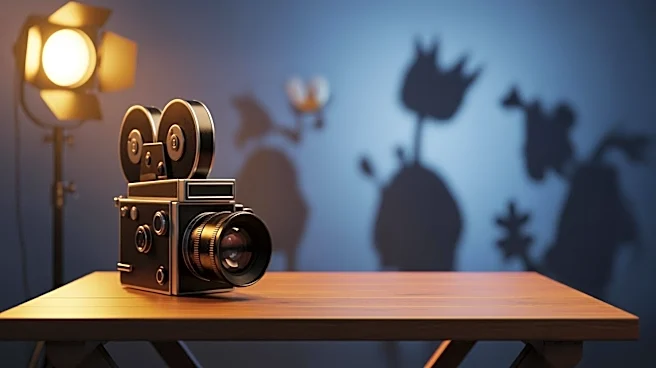
was to be filmed in the standard 1.37:1 Academy ratio. However, Disney decided to switch to CinemaScope, a widescreen format that had been developed by 20th Century Fox. This decision was influenced by the success of CinemaScope in live-action films, which offered a broader canvas for storytelling. The process involved using specialized lenses to compress the filmed images and then projecting them onto a wider screen, creating a more expansive visual experience.
The transition to CinemaScope presented challenges for the animators and layout artists. They had to adapt to the new format, ensuring that characters moved across the background rather than the background moving behind them. This required careful planning to maintain the film's visual coherence and avoid sparse-looking scenes. Despite these challenges, the use of CinemaScope allowed for greater realism and fewer close-up shots, contributing to the film's unique aesthetic.
Impact on Animation and Storytelling
The use of CinemaScope in Lady and the Tramp had a profound impact on animation and storytelling. It allowed for more dynamic compositions and a greater sense of depth, enhancing the emotional resonance of the film. The widescreen format also enabled the filmmakers to create more elaborate and detailed backgrounds, contributing to the film's rich visual texture.
This innovation in animation set a precedent for future Disney films, encouraging the use of widescreen formats to enhance storytelling. The success of Lady and the Tramp demonstrated the potential of CinemaScope in animation, paving the way for other studios to explore similar techniques. The film's visual style became a benchmark for quality in animated features, influencing the industry for years to come.
Legacy and Cultural Significance
Lady and the Tramp's use of CinemaScope not only revolutionized animation but also contributed to its enduring legacy. The film's iconic scenes, such as the spaghetti dinner, were enhanced by the widescreen format, making them memorable to audiences worldwide. This innovation helped establish Disney as a leader in animation, known for pushing the boundaries of technology and storytelling.
The film's success in CinemaScope also highlighted the importance of visual innovation in engaging audiences. It demonstrated that animation could be as visually compelling as live-action films, expanding the possibilities for animated storytelling. Lady and the Tramp remains a beloved classic, celebrated for its pioneering use of CinemaScope and its impact on the animation industry.