







Cheesecake is a versatile dessert that has been adapted and transformed by cultures around the world. Each region has put its own spin on this classic treat, resulting in a wide array of flavors and textures. This article explores some of the most notable regional variations of cheesecake, highlighting the unique ingredients and techniques that define them.
European Delights
Europe is home to a rich tapestry of cheesecake variations, each with its own distinct character.
In Italy, the traditional "crostata di ricotta" is a baked cheesecake made with ricotta cheese, chocolate chips, and eggs. This version is often associated with Italian celebrations and is a staple in many Italian households.
In Poland, "sernik" is a beloved cheesecake that dates back to the 17th century. Made with twaróg, a traditional Polish quark, sernik is typically baked and features variations like the Kraków-style with a lattice crust or the royal version with a cocoa crust. Meanwhile, in Germany, "Käsekuchen" is a popular cheesecake that often includes a hint of lemon and a crumbly crust.
Asian Innovations
In Asia, cheesecake has taken on unique forms that reflect local tastes and ingredients. Japanese cheesecake, also known as soufflé-style or cotton cheesecake, is renowned for its light and airy texture. Made with cream cheese, butter, sugar, and eggs, this version resembles a chiffon cake and is often served with a dusting of powdered sugar.
In the Philippines, ube cheesecake is a vibrant purple dessert made with cream cheese and ube halaya, a sweetened purple yam. This cheesecake is a testament to the Filipino love for ube, a popular ingredient in many local desserts.
American Classics
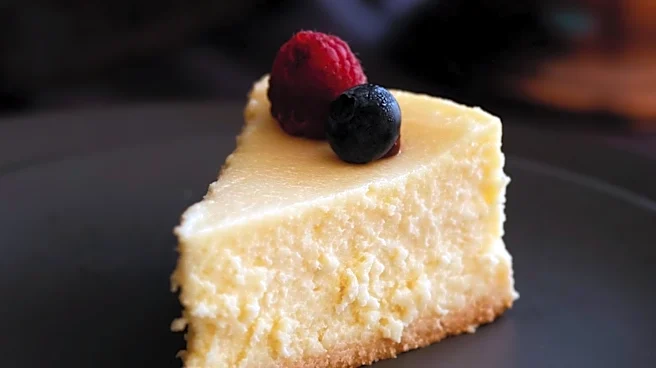
The United States is known for its rich and creamy cheesecakes, with New York-style cheesecake being the most iconic. This version is made with a cream cheese base and is known for its dense texture and smooth consistency. Chicago-style cheesecake, on the other hand, is characterized by its firm exterior and soft, creamy interior, often made with a shortbread crust.
In addition to these classic styles, American cheesecakes have embraced a variety of flavors, from chocolate and pumpkin to more adventurous options like smoked salmon cheesecake. The diversity of American cheesecakes reflects the country's melting pot of cultures and culinary influences.
Cheesecake's adaptability and global appeal have led to a multitude of regional variations, each offering a unique taste experience. Whether you prefer the lightness of a Japanese cheesecake or the richness of a New York-style slice, there's a cheesecake for every palate.