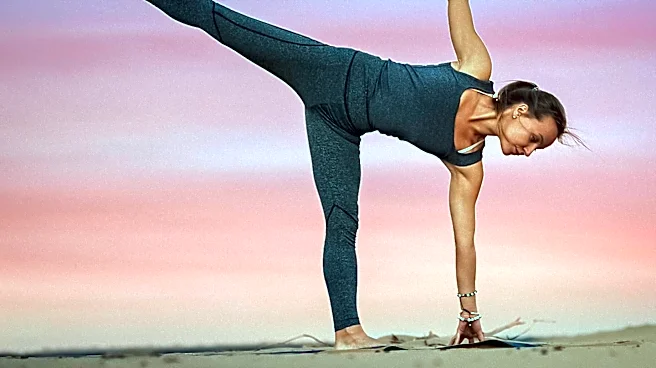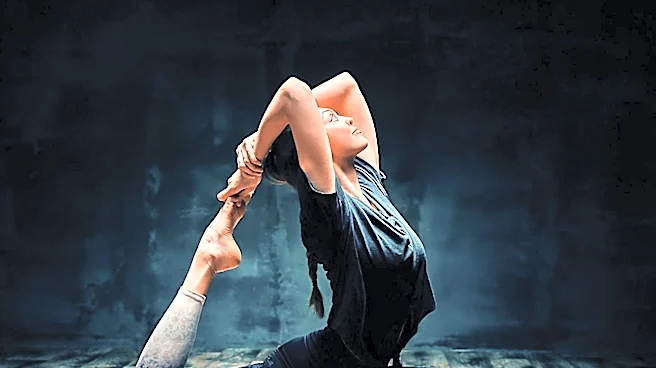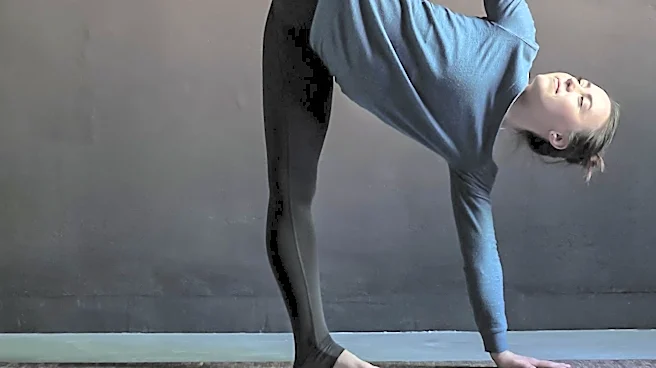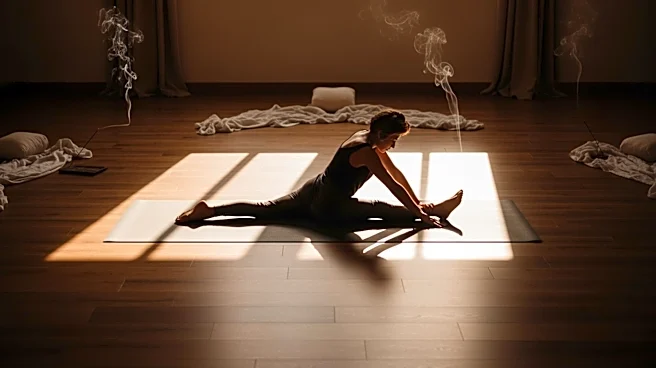



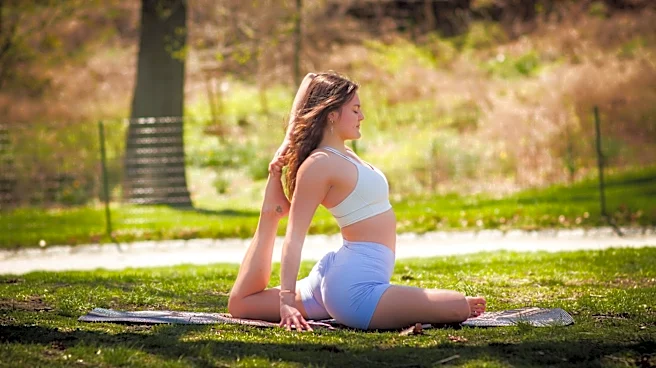



Parivrtta Parsvakonasana, also known as the reversed side angle pose, is a dynamic yoga posture that is part of the Hatha Yoga tradition. This pose is characterized by its twisting motion, which helps to stretch and strengthen various parts of the body. The name itself is derived from Sanskrit, where 'parivrtta' means 'reversed,' 'parsva' means 'side,' 'kona' means 'angle,' and 'asana' means 'pose.' This article delves into the structure of this pose and the benefits
it offers to practitioners.
The Structure of Parivrtta Parsvakonasana
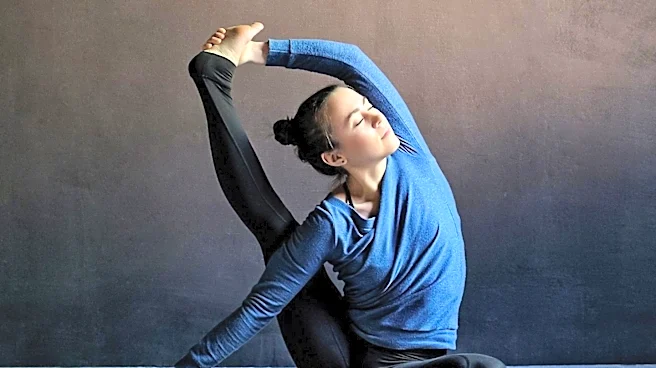
The Parivrtta Parsvakonasana is a standing pose that begins with the practitioner in a kneeling position, with the back horizontal and hands on the ground. The pose is initiated by stepping the left foot outside the left hand while keeping the right leg extended backward. This initial position sets the stage for the twisting motion that defines the pose.
As the practitioner exhales, the right hand is placed on the right knee, and with an inhalation, the right hand is lifted from the knee, moving in a wide arc over the head. The arm extends along the continuation of the right leg and hip axis. This movement not only engages the core muscles but also enhances the flexibility of the spine and the strength of the legs.
Benefits of the Twisting Motion
The twisting motion in Parivrtta Parsvakonasana is central to its benefits. This twist helps in stretching the spine, which can improve spinal flexibility and health. The pose also stretches the sides of the body, which can aid in improving overall body balance and posture.
Additionally, the pose requires a significant amount of balance and coordination, which can enhance mental focus and concentration. The engagement of the core muscles during the twist also contributes to strengthening the abdominal region, which is beneficial for overall core stability.
Releasing the Pose and Repetition
To release the Parivrtta Parsvakonasana, the practitioner exhales and brings the right hand back to the right knee. The right hand is then placed back on the ground, and the left foot is moved back to align with the right foot. This careful release ensures that the body returns to a neutral position without strain.
The pose is typically repeated on the opposite side to ensure balanced development of flexibility and strength. This repetition helps in evenly distributing the benefits across both sides of the body, promoting symmetry and balance.
In conclusion, Parivrtta Parsvakonasana is a powerful yoga pose that combines twisting and stretching to enhance flexibility, strength, and balance. Its structured approach and the benefits it offers make it a valuable addition to any yoga practice.