



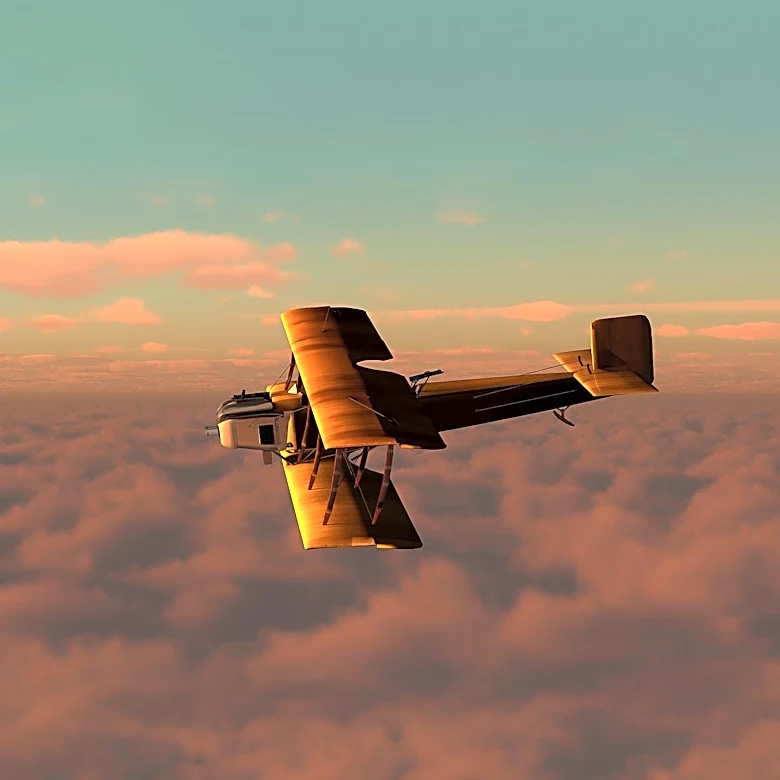



The Aeronautical Division of the U.S. Signal Corps marked the beginning of military aviation in the United States. Established on August 1, 1907, this division was tasked with overseeing all matters related to military use of balloons and flying machines. It laid the groundwork for what would eventually become the U.S. Air Force, setting the stage for the development of military aviation technology and strategy.
Establishment and Early Leadership
The creation of the Aeronautical Division
was a significant milestone in U.S. military history. It was established under Office Memorandum No. 6, which outlined its responsibilities in managing military balloons and flying machines. The division was initially composed of one officer and two enlisted men, with Captain Charles DeForest Chandler appointed as its first commander. Chandler was supported by Corporal Edward Ward and Private First Class Joseph E. Barrett, who reported directly to him.
The division's operations were highly confidential, with information restricted to the Chief Signal Officer of the Army or his authorized representative. This secrecy underscored the importance of the division's work in pioneering military aviation. Chandler's leadership was crucial in navigating the early challenges of establishing a new military branch focused on aviation.
Early Aviation Efforts and Challenges
Before the establishment of the Aeronautical Division, the U.S. Army Signal Corps had already been involved in aviation during the American Civil War. Thaddeus S. C. Lowe led the Union Army Balloon Corps, which used balloons for reconnaissance. In the late 19th century, efforts to integrate balloons into military operations continued, with the purchase of a war balloon from France and the construction of another balloon, the Santiago, used in the Spanish-American War.
Despite these early efforts, the transition to heavier-than-air machines was fraught with challenges. The Signal Corps faced setbacks, such as the failure of Samuel Pierpont Langley's Great Aerodrome, which was intended to be a heavier-than-air flying machine. However, the success of the Wright brothers reignited interest in aviation, leading to negotiations for acquiring an aircraft.
Acquisition of Aircraft and Technological Advancements
In 1908, the Aeronautical Division made significant strides by purchasing a dirigible from Thomas Scott Baldwin and an airplane from the Wright brothers. The Wright Model A was acquired for $25,000, with additional funds awarded for exceeding speed specifications. This marked a pivotal moment in military aviation, as the division began testing and integrating these new technologies.
The acquisition of these aircraft demonstrated the division's commitment to advancing military aviation capabilities. The successful tests and subsequent training of military personnel in operating these machines laid the foundation for future developments in U.S. military aviation, ultimately leading to the establishment of the U.S. Air Force.