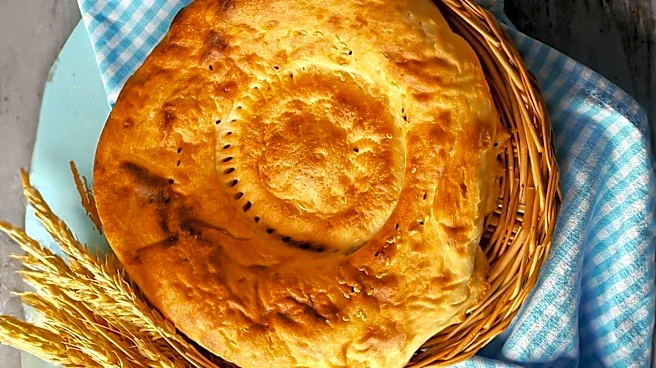







In Armenia, lavash is far more than just a flatbread; it is a cornerstone of national identity, a daily staple, and a symbol deeply embedded in social customs and traditions. Its preparation is often a communal event, its presence is felt at every meal, and its symbolic meaning extends to significant life events like weddings and funerals. Recognized by UNESCO for its cultural significance, lavash embodies the rich heritage and communal spirit of Armenia.
From its role in daily sustenance to its place in ancient beliefs and rituals, lavash remains an indispensable element of Armenian life.
Lavash as a Dietary Staple and Culinary Centerpiece
Lavash is a fundamental component of Armenian cuisine, serving as a primary source of sustenance for the population. A 2016 survey conducted by the Statistical Committee of Armenia revealed that lavash constitutes a significant 16.9% of the national bread intake, translating to an average of 54 grams consumed daily per person. This widespread consumption highlights its importance in the Armenian diet. Lavash is served with most meals across Armenia, and it is common for restaurants throughout the country to prepare it fresh, ensuring its quality and availability.
While Armenians consume lavash frequently, they do not necessarily make it daily. Instead, it is often prepared in large batches and stored for extended periods due to its shelf-stable nature when dried. This practice allows for a consistent supply of bread, which can be rehydrated with water to restore its softness when needed. In Armenian households, lavash is versatile. It can be enjoyed for breakfast with jam and curd, or as a snack with cheese. For lunch or dinner, it is famously used to wrap khorovats, a traditional barbecue dish. Additionally, tarragon-spiced eggs are often wrapped in lavash for breakfast, showcasing its adaptability across different meals and flavor profiles.
Communal Preparation and Regional Variations
The creation of lavash in Armenia is often a social event, particularly for women within a community. This communal effort sees each woman contributing a different step to the preparation process, fostering a sense of shared tradition and cooperation. Men also play a role, contributing to the construction of the tonirs, the traditional clay ovens, and the cushions used in the baking process. This collective approach underscores the social dimension of lavash making, transforming a culinary task into a community bonding experience.
Armenia's mountainous geography has led to relative isolation between settlements, which in turn has resulted in diverse dough and preparation methods for lavash. The specific techniques and ingredients can vary significantly from one community to another, creating a rich tapestry of regional lavash styles. This variation reflects the localized culinary traditions that have developed over centuries, each adapting to local resources and preferences while maintaining the core essence of lavash. This diversity ensures that while lavash is universally Armenian, it also carries the unique imprint of its specific place of origin.
Symbolic Roles and Cultural Rituals
Beyond its culinary function, lavash holds profound symbolic meaning in Armenian culture, featuring prominently in various rituals and beliefs. At Armenian weddings, it is a cherished tradition for a lavash to be placed on the shoulders of the newlywed couple. This act is not merely ceremonial; it is a powerful symbol of luck, wealth, and fertility, bestowing blessings upon the couple as they begin their new life together. This tradition highlights lavash's role in marking significant life transitions and conveying hopes for prosperity.
Lavash also plays a part in more intimate family customs. It is used to swaddle babies in Armenia, connecting the bread to the earliest stages of life and nurturing. Furthermore, Armenian magical beliefs incorporate lavash as a protective charm. To ward off evil from a child, a mother might bake a lavash shaped like a person, using flour gathered from seven different families. This specially prepared lavash is then placed under the child's pillow, believed to offer protection and ward off negative influences. These practices illustrate how deeply lavash is integrated into the spiritual and protective aspects of Armenian family life, making it a truly multifaceted cultural icon.