



Kraków, a city nestled on the Vistula river in the Lesser Poland region, boasts a rich and complex history that dates back to the 7th century. For centuries, it served as the capital of Poland, from 1038 to 1596, shaping the nation's identity and becoming a pivotal center for culture and power. Today, it continues to be the capital of the Lesser Poland Voivodeship, maintaining its historical prominence while embracing a modern urban population that reached
810,590 by June 2025. Its deep historical roots and vibrant cultural life have earned it recognition as the cultural capital of Poland and a UNESCO World Heritage Site since 1978.
Early Foundations and Medieval Flourishing
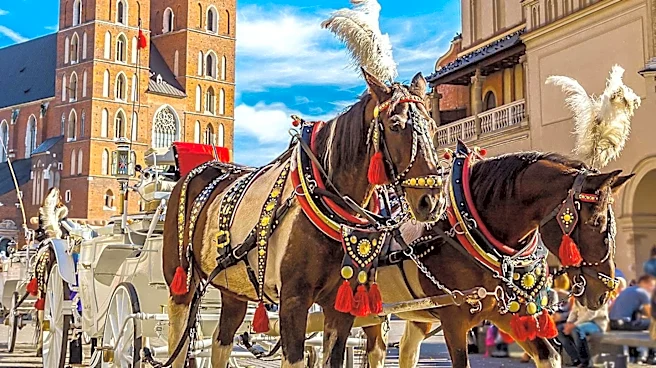
The origins of Kraków are steeped in legend, with tales of Prince Krakus, the legendary founder and a ruler of the early Medieval Vistulans tribe, dating back to 1190. However, the town's existence predates this, with evidence suggesting it was inhabited by the Vistulans as early as the seventh century. The city's name itself is traditionally linked to Krakus, meaning "Krak's (town)," though historians continue to debate its true etymology, with some theories suggesting a connection to the word "kruk," meaning 'crow' or 'raven.'Kraków's strategic location and its role as a capital allowed it to flourish in the medieval period. The city's main square, Rynek Główny, established in the 13th century, stands as one of Europe's largest medieval town squares. This central hub was not only a place for commerce but also a testament to the city's organized urban planning, rebuilt in a chessboard pattern after its destruction by the Mongol invasion in 1241. Its commercial importance was further solidified when it became a member of the Hanseatic League, contributing to its status as an important European metropolis.
A Legacy of Royalty and Resilience
Kraków's status as the capital of the Kingdom of Poland for over 500 years left an indelible mark on its architecture and institutions. The Royal Road, once traversed by Polish kings during their coronations at Wawel Cathedral, connects the Kraków barbican to the north with the Wawel Castle to the south, highlighting the city's royal heritage. The Wawel Castle itself, a Renaissance masterpiece, houses significant collections, including a vast array of tapestries.Despite periods of decline, such as those experienced in the 17th and 18th centuries due to wars and plagues after the capital moved to Warsaw in 1596, Kraków demonstrated remarkable resilience. Even during World War II, unlike many other Polish cities, Kraków was not destroyed, though its population suffered immensely due to persecutions and the extermination of its Jewish community. The city's ability to preserve its historical core, including the Main Square and its surrounding ancient brick buildings and palaces, has allowed it to retain its unique character and attract millions of tourists annually, eager to explore its more than 1,000-year history showcased in places like the Rynek Underground museum.
Cultural Heartbeat and Modern Vibrancy
Kraków's reputation as Poland's cultural capital is well-deserved. It is home to the second-oldest university city in Central Europe, with its Collegium Maius displaying astronomical instruments of Nicolaus Copernicus and the oldest globe depicting America. The city's artistic treasures include the world-renowned "Lady with an Ermine" by Leonardo da Vinci at the Czartoryski Museum and the magnificent altar by Veit Stoss in St. Mary's Basilica. The hourly "heynal" played from the basilica's tower serves as a poignant reminder of the city's past struggles and enduring spirit.In recent years, Kraków has also emerged as a key center for offshoring IT work, attracting multinational companies and contributing significantly to the economy of Poland. This blend of historical preservation and modern economic development ensures Kraków remains a dynamic and vital city, continually drawing visitors and residents alike with its unique charm and profound historical narrative.