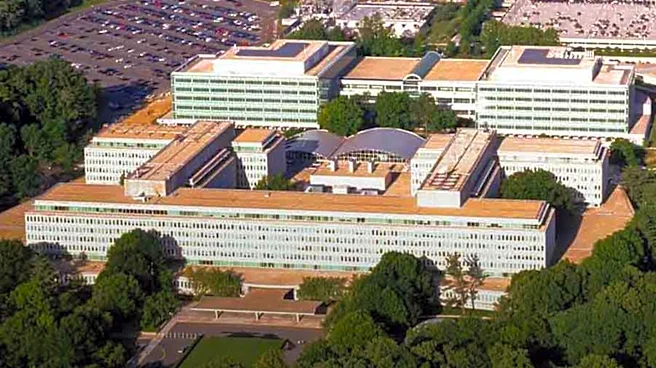









The Central Intelligence Agency (CIA) has played a pivotal role in shaping U.S. national security since its inception. Established in the aftermath of World War II, the agency was born out of a need for a centralized intelligence organization to address growing global tensions, particularly with the Soviet Union. This article delves into the historical development of the CIA, highlighting key events and milestones that have defined its evolution.
The Birth of the CIA
The CIA was officially created on July 26, 1947, when President Harry S. Truman signed the National Security Act into law. This act was a response to the geopolitical landscape following World War II, where the United States faced increasing tensions with the USSR. The need for a coordinated intelligence effort was clear, and the CIA was tasked with collecting and analyzing intelligence from around the world to advance national security.
Before the CIA's establishment, intelligence operations were conducted by the Office of Strategic Services (OSS) during the war. However, the OSS was dissolved in 1945, leading to the creation of the Central Intelligence Group in 1946, which served as a precursor to the CIA. The National Security Act of 1947 not only established the CIA but also created the National Security Council, formalizing the agency's role in U.S. foreign policy.
Expansion and Influence
Throughout the 1950s, the CIA expanded its operations and influence, becoming a major instrument of U.S. foreign policy. The agency was involved in psychological operations against communist regimes and backed coups to advance American interests. Notable operations during this period included the 1953 coup in Iran and the 1954 coup in Guatemala, which demonstrated the CIA's capability to influence political outcomes abroad.
The CIA's activities were not without controversy. The agency's involvement in regime changes and planned assassinations of foreign leaders drew criticism and led to increased scrutiny. In 1975, the Church Committee of the U.S. Senate revealed illegal operations such as MKUltra, prompting greater oversight and reforms within the agency.
Modern Era and Reorganization
In the 21st century, the CIA has undergone significant restructuring to adapt to new challenges. In 2015, under the leadership of John Brennan, the agency experienced its largest organizational restructuring since its founding. This included the creation of the Directorate of Digital Innovation to address cybersecurity and digital espionage.
The CIA continues to play a crucial role in U.S. national security, providing intelligence to the president, the Cabinet, and other entities. Despite its controversies, the agency remains a key player in global intelligence operations, constantly evolving to meet the demands of a changing world.