








Arthur Miller's play, 'The Price,' first performed in 1968, delves into the intricate web of family relationships and the impact of past decisions on the present. Set in the attic of a soon-to-be-demolished brownstone in New York City, the play centers around the Franz family as they confront their shared history and unresolved tensions. Through the interactions of the characters, Miller explores themes of sacrifice, resentment, and the complex nature
of familial bonds.
The Franz Family's Past
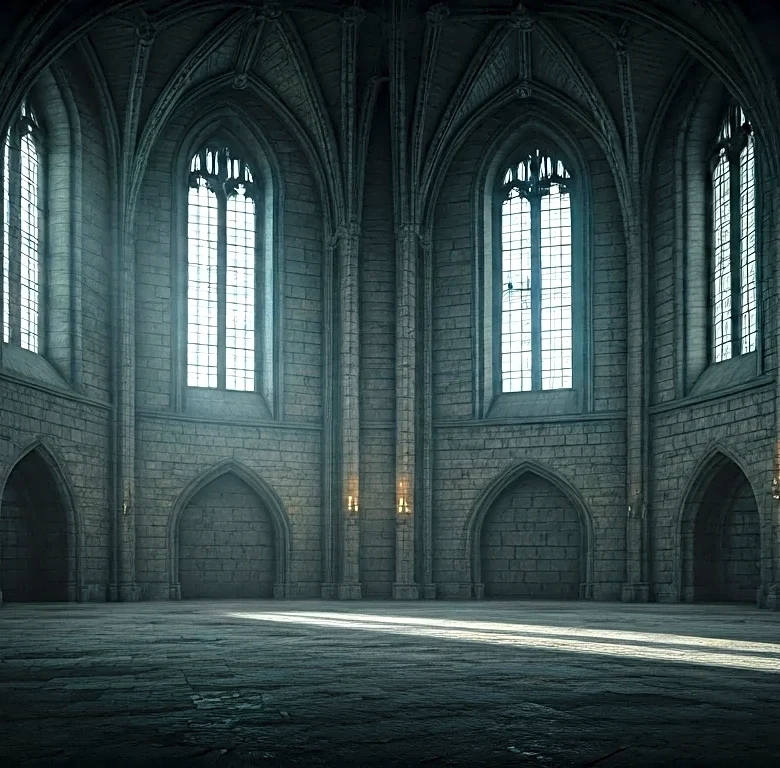
The play introduces us to Victor Franz, a New York City policeman, and his wife, Esther, as they sort through the belongings of Victor's deceased father. The attic, filled with old furniture, serves as a metaphor for the emotional baggage the family carries. Victor's decision to join the police force instead of pursuing higher education was driven by the need to support his family during the Great Depression. This choice, made out of necessity, becomes a point of contention between Victor and his brother, Walter.
Walter, a successful physician, arrives at the attic after a long estrangement from Victor. The brothers have not spoken in 16 years, and their reunion is fraught with tension. Walter's success contrasts sharply with Victor's modest life, highlighting the different paths they have taken. The play reveals that Victor's sacrifices enabled Walter to pursue his education, a fact that adds layers of complexity to their relationship.
Resentment and Reconciliation
As the brothers sift through their father's possessions, old resentments surface. Victor feels that his sacrifices went unappreciated, while Walter grapples with guilt over his brother's unfulfilled potential. The attic becomes a battleground for their conflicting emotions, with each brother struggling to justify their life choices.
The presence of Gregory Solomon, a used furniture dealer, adds an external perspective to the family drama. Solomon's pragmatic approach to valuing the furniture contrasts with the emotional value the items hold for Victor and Walter. His character serves as a catalyst for the brothers to confront their past and consider the true cost of their decisions.
The Price of Decisions
Ultimately, 'The Price' is a meditation on the consequences of choices made in the past. Victor and Walter must come to terms with the impact of their decisions on their lives and their relationship. The play suggests that understanding and forgiveness are necessary for healing, but they come at a cost.
Miller's exploration of family dynamics in 'The Price' resonates with audiences by highlighting the universal themes of sacrifice, regret, and the enduring bonds of family. Through the Franz family's story, the play invites us to reflect on our own relationships and the choices that shape our lives.