








Death Valley is not only known for its extreme climate but also for its fascinating geological features. This desert valley, part of the Mojave Desert in Eastern California, offers a unique glimpse into the Earth's geological history. From ancient rock formations to salt flats and sand dunes, Death Valley's landscape tells a story of dramatic geological processes that have shaped the region over millions of years.
Ancient Geological History
The geological history of Death Valley
dates back billions of years. The valley is a graben, a block of the Earth's crust that has dropped between two fault lines. The oldest rocks in the valley are extensively metamorphosed and are at least 1.7 billion years old. These ancient rocks were formed in warm, shallow seas that once covered the region, depositing marine sediments over time.
As the Pacific Ocean began to open due to rifting, additional sedimentation occurred. A subduction zone eventually formed off the coast, uplifting the region out of the sea and creating a line of volcanoes. This tectonic activity played a crucial role in shaping the current Basin and Range landform, characterized by alternating mountain ranges and valleys.
The Formation of Unique Landforms
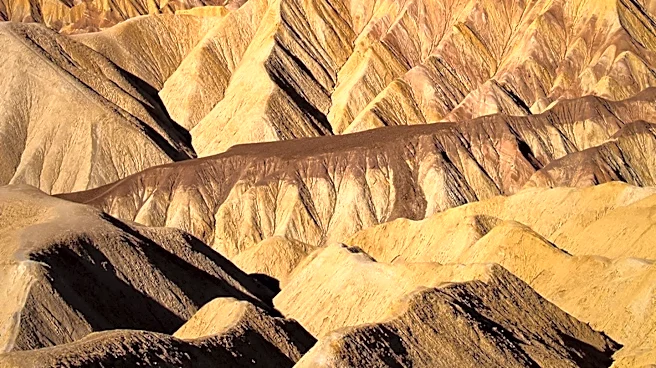
Death Valley's unique landforms are a result of its complex geological history. The valley is home to salt flats, sand dunes, and badlands, each formed through different geological processes. The salt flats, for example, are remnants of ancient lakes that once filled the valley during wetter periods. As the climate changed and the water evaporated, it left behind a crust of evaporitic salts, including common sodium salts and borax.
The valley's sand dunes, such as those found at Mesquite Flat, are formed by the accumulation of sand carried by the wind. These dunes are constantly shifting and changing shape, creating a dynamic and ever-evolving landscape. The badlands, with their eroded, rugged terrain, are a testament to the power of water and wind erosion over time.
The Ongoing Geological Processes
Death Valley continues to be shaped by geological processes today. The valley's location in a tectonically active region means that it is subject to ongoing crustal movements. These movements can cause earthquakes and further alter the landscape. Additionally, the valley's extreme climate contributes to the weathering and erosion of its geological features, continually reshaping the land.
The geological wonders of Death Valley offer a unique opportunity to study the Earth's history and the processes that have shaped its surface. The valley's diverse landscape and rich geological history make it a fascinating destination for geologists and nature enthusiasts alike.