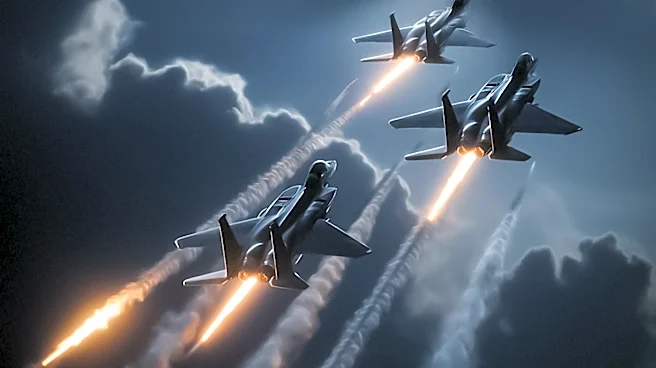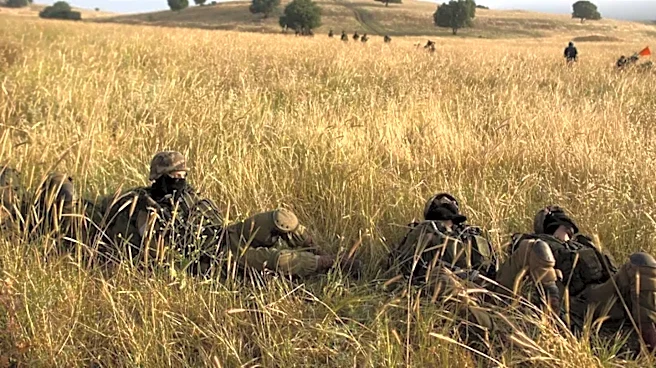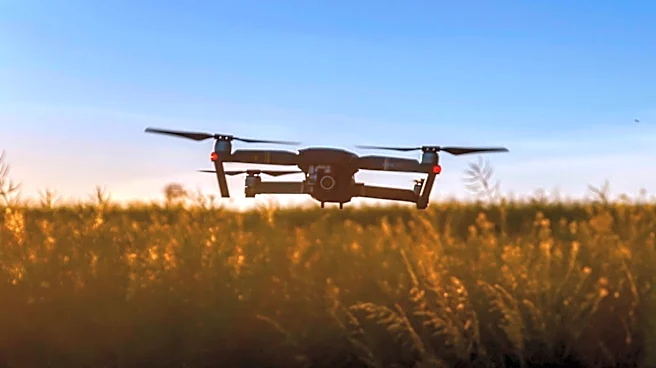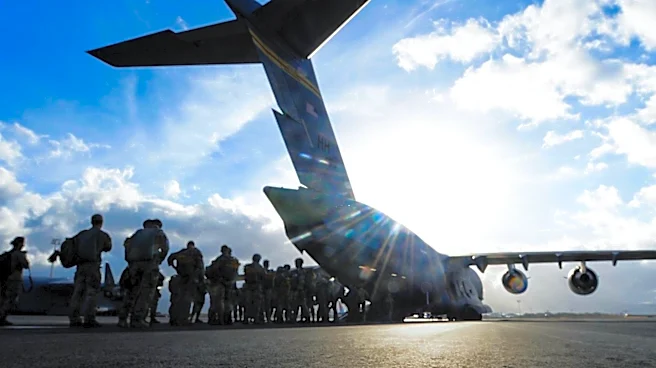







The Gulf War was not only a significant military conflict but also a showcase of technological advancements in warfare. The conflict saw the introduction and extensive use of new military technologies that would shape future combat operations. From precision-guided munitions to satellite-based reconnaissance, the Gulf War highlighted the growing importance of technology in modern warfare.
Precision-Guided Munitions
One of the most notable technological advancements during the Gulf
War was the use of precision-guided munitions (PGMs). These weapons, often referred to as smart bombs, allowed coalition forces to target specific military installations and infrastructure with unprecedented accuracy. The use of PGMs minimized collateral damage and increased the effectiveness of airstrikes, contributing significantly to the coalition's success.
The F-117 Nighthawk stealth aircraft played a crucial role in delivering these precision-guided munitions. Its ability to evade radar detection allowed it to strike high-value targets deep within Iraqi territory. The success of the F-117 and PGMs during the Gulf War demonstrated the potential of precision warfare and set the stage for their widespread adoption in future conflicts.
Satellite-Based Reconnaissance and Communication
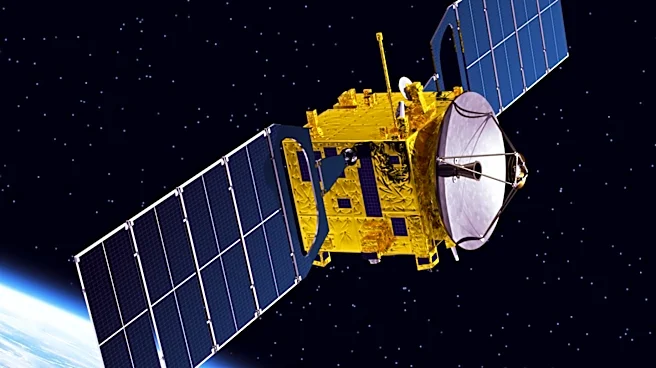
The Gulf War was also the first conflict to extensively utilize satellite-based reconnaissance and communication systems. These technologies provided coalition forces with real-time intelligence and enhanced situational awareness, allowing for more effective planning and execution of military operations.
The use of Global Positioning System (GPS) technology was particularly significant. GPS allowed coalition forces to navigate the challenging desert terrain with precision, ensuring that troops and equipment reached their intended destinations. This capability was crucial during the ground offensive, enabling rapid and coordinated movements that overwhelmed Iraqi defenses.
The Impact on Future Warfare
The technological advancements showcased during the Gulf War had a lasting impact on military strategy and operations. The success of precision-guided munitions and satellite-based systems demonstrated the value of investing in advanced technologies and highlighted the importance of maintaining technological superiority in warfare.
The Gulf War also underscored the need for continuous innovation and adaptation in military technology. As adversaries develop new capabilities, maintaining a technological edge becomes increasingly important. The lessons learned from the Gulf War continue to influence military research and development, driving the pursuit of new technologies that enhance the effectiveness and efficiency of military operations.
In conclusion, the Gulf War was a pivotal moment in the evolution of military technology. It demonstrated the transformative power of innovation in warfare and set the stage for the continued integration of advanced technologies in military operations worldwide.