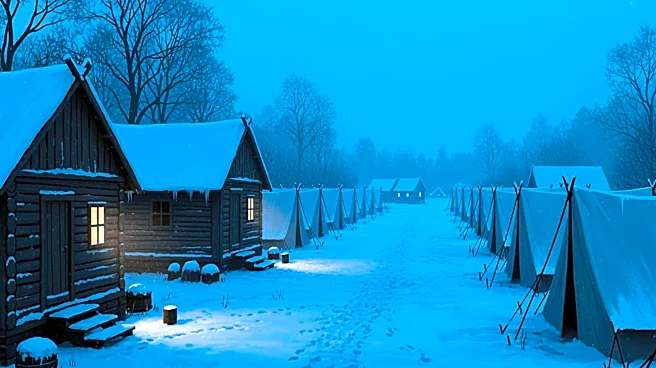









The winter of 1777-1778 at Valley Forge was a defining moment for the Continental Army during the American Revolutionary War. Under the command of General George Washington, the army faced harsh conditions, including severe cold, inadequate shelter, and a lack of food and clothing. Despite these challenges, the time spent at Valley Forge was crucial for the army's development and resilience. This article explores the experiences and transformations
that occurred during this pivotal winter encampment.
Harsh Conditions and Daily Struggles
Valley Forge, located about 20 miles from Philadelphia, became the winter quarters for Washington's army in December 1777. The choice of location was strategic, allowing the army to monitor British movements in Philadelphia while remaining protected by the surrounding hills. However, the conditions at Valley Forge were harsh, with soldiers enduring freezing temperatures and snow.
The army faced severe shortages of food, clothing, and shelter. Many soldiers lacked proper uniforms and shoes, leading to frostbite and illness. The supply lines were stretched thin, and the army relied on local foraging and limited supplies from the Continental Congress. Despite these hardships, the soldiers' determination and camaraderie helped them persevere through the winter months.
Training and Transformation
While the conditions at Valley Forge were challenging, the encampment also provided an opportunity for the Continental Army to regroup and improve. One of the most significant developments was the arrival of Baron von Steuben, a Prussian military officer who volunteered his services to the American cause. Von Steuben implemented a rigorous training program, focusing on drills, discipline, and battlefield tactics.
Von Steuben's training transformed the Continental Army into a more cohesive and effective fighting force. His emphasis on standardized drills and maneuvers improved the soldiers' confidence and readiness for battle. The training at Valley Forge laid the foundation for future successes, as the army emerged from the winter with renewed strength and discipline.
The Legacy of Valley Forge
The winter at Valley Forge was a turning point for the Continental Army and the American Revolutionary War. The experiences and transformations that occurred during this time had a lasting impact on the army's capabilities and morale. The soldiers' resilience and determination in the face of adversity became a symbol of the American spirit and the struggle for independence.
The legacy of Valley Forge extends beyond the immediate military improvements. It also highlighted the importance of leadership and unity in overcoming challenges. General Washington's steadfast leadership and the soldiers' unwavering commitment to the cause were instrumental in sustaining the army through the difficult winter. The lessons learned at Valley Forge continued to influence the army's strategies and successes in the subsequent years of the war.
In conclusion, the winter of 1777-1778 at Valley Forge was a critical period for the Continental Army. Despite the harsh conditions and struggles, the encampment provided an opportunity for transformation and growth. The training and resilience developed during this time played a significant role in the army's future successes and the eventual American victory in the Revolutionary War.