



While often used interchangeably, the terms "morning suit" and "morning coat ensemble" refer to distinct variations within formal daytime attire, each carrying its own level of formality and traditional applications. Understanding these nuances is crucial for anyone navigating the world of high-stakes social events, from weddings to prestigious horse races. The primary difference lies in the matching of fabrics across the garments, which subtly but
significantly alters the overall impression of the outfit. This distinction allows for a spectrum of formality within the broader category of morning dress.
The Traditional Morning Coat Ensemble
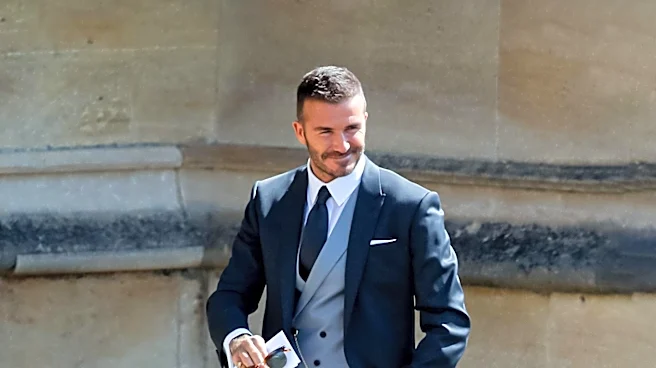
The classic morning dress, often referred to as a morning coat ensemble, is characterized by a deliberate contrast in its components. It typically features a morning coat, which is usually black or Oxford grey herringbone wool, paired with formal striped or checked trousers. The waistcoat may or may not match the coat, but the trousers are almost always distinct in pattern and color from the coat. This combination creates a look of heightened formality and tradition, making it the preferred choice for the most solemn or significant daytime occasions.
The morning coat itself is a single-breasted garment with peaked lapels, often closed with a single button or a link closure. Its curved front edges sweep back into knee-length tails. The trousers, often grey striped or checked, are worn with braces, contributing to the structured and elegant silhouette. This ensemble is generally restricted to very formal events such as certain weddings, royal audiences, government functions, and specific social season gatherings. The deliberate contrast between the coat and trousers is a hallmark of its traditional and elevated status.
The Slightly Less Formal Morning Suit
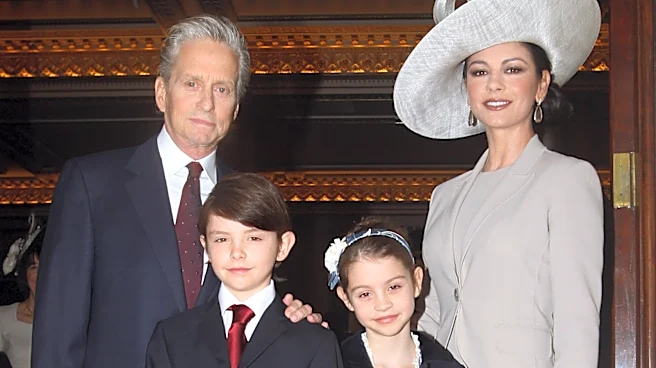
In contrast, the "morning suit," sometimes called "morning grey dress," presents a slightly more relaxed, though still formal, option. The defining characteristic of a morning suit is that all its main components—the morning coat, waistcoat, and trousers—are made from the same color and material. This uniformity, often seen in mid-grey fabrics, gives the ensemble a cohesive appearance that is considered less formal than the traditional morning coat ensemble with contrasting trousers.
This variant is particularly popular for festive functions, such as summer weddings and horse races like Royal Ascot. Its slightly more relaxed nature makes it a traditional choice for events in less formal settings, while still adhering to a high standard of dress. The morning suit, by matching all its parts, offers a streamlined look that is both elegant and appropriate for celebratory daytime gatherings where the utmost solemnity of the traditional morning coat ensemble might not be required. Both options, however, adhere to the fundamental structure of morning dress, ensuring a distinguished appearance for any formal daytime event.