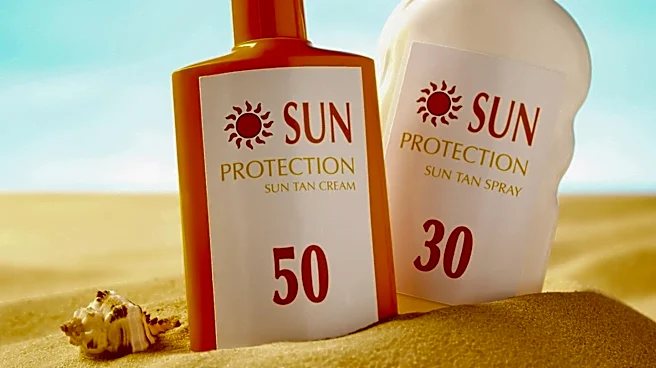








Sunscreen, also known as sunblock, has become an essential part of our daily routine, especially during the sunny months. Its primary function is to protect the skin from harmful ultraviolet (UV) radiation, reducing the risk of sunburn and skin cancer. The journey of sunscreen from ancient sun protection methods to the sophisticated formulations we have today is a fascinating tale of scientific advancement and increased awareness of skin health.
Early Sun Protection Methods
Before
the advent of modern sunscreen, various cultures employed natural substances to shield their skin from the sun. Ancient Egyptians used rice bran extracts and jasmine, which contained UV-absorbing properties. Similarly, Native Americans applied mud and certain plant extracts to their skin as a form of protection. These early methods were rudimentary but demonstrated an understanding of the need to protect the skin from sun exposure.
As time progressed, the awareness of sun protection grew, leading to more refined methods. In the early 20th century, the first commercial sunscreen was developed by chemist Franz Greiter, who created a cream called Gletscher Crème after suffering a sunburn while climbing a mountain. This marked the beginning of sunscreen as a commercial product, paving the way for further innovations.
The Rise of SPF and Regulatory Standards
The concept of Sun Protection Factor (SPF) was introduced in the 1960s, providing a standardized measure of a sunscreen's effectiveness in blocking UVB rays. SPF ratings helped consumers understand the level of protection offered by different products, making it easier to choose the right sunscreen for their needs. The higher the SPF, the greater the protection against sunburn.
Regulatory standards for sunscreen have evolved significantly over the years. In the United States, the Food and Drug Administration (FDA) classifies sunscreen as an over-the-counter drug, requiring rigorous testing and approval processes. This ensures that sunscreens meet safety and efficacy standards, providing reliable protection against UV radiation.
Modern Sunscreen Formulations
Today's sunscreens are available in various forms, including lotions, sprays, gels, and sticks, catering to different preferences and skin types. They contain active ingredients like oxybenzone and zinc oxide, which absorb or reflect UV radiation. The development of broad-spectrum sunscreens, which protect against both UVA and UVB rays, has been a significant advancement in sun protection.
Environmental concerns have also influenced sunscreen formulations. Some ingredients have been found to harm marine life, leading to bans in certain regions. As a result, manufacturers are increasingly focusing on creating reef-safe sunscreens that minimize environmental impact while providing effective sun protection.
The evolution of sunscreen reflects a growing understanding of the importance of skin health and the need for effective sun protection. As research continues, we can expect further innovations that enhance the safety and efficacy of sunscreen products.