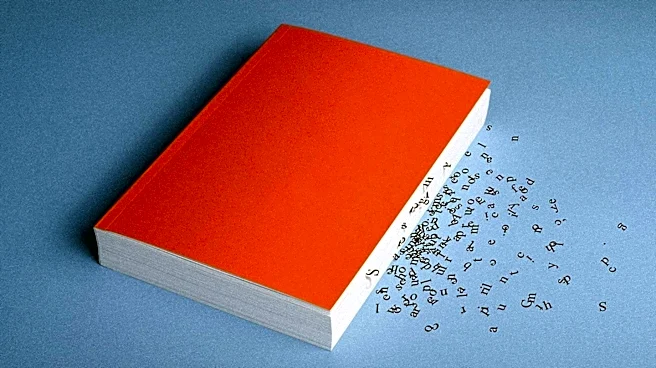










Paragraphs are essential elements in typography, influencing the readability and aesthetic appeal of written content. In modern typography, the design and structure of paragraphs play a significant role in how information is presented and consumed. This article explores the use of paragraphs in contemporary typography and their impact on the reading experience.
Indentation and Block Paragraphs
In modern English typography, paragraphs are typically indicated by indenting the first
line. This style, which has its roots in historical practices, helps readers visually distinguish between different sections of text. Indentation provides a subtle cue that a new idea or topic is being introduced, enhancing the flow of reading.
Alternatively, block paragraphs are used in many digital formats, such as websites and emails. This style employs vertical white space between paragraphs instead of indentation, creating a clean and organized appearance. Block paragraphs are particularly effective in electronic media, where screen space is limited, and readability is paramount.
Enhancing Readability
The design of paragraphs in typography is crucial for readability. Well-structured paragraphs help readers navigate through text, making it easier to follow the author's train of thought. In professional typesetting, careful attention is given to the spacing and alignment of paragraphs to ensure a seamless reading experience.
Typography also considers the use of symbols and ornamentation to enhance the visual appeal of paragraphs. For instance, a hedera leaf or other decorative symbol can be added to the inter-paragraph white space, providing a visual break and adding an element of design. These typographic choices contribute to the overall aesthetic of a document, making it more engaging for readers.
The Digital Age
In the digital age, typography has adapted to new technologies and platforms. Word processing software and desktop publishing tools offer a range of options for paragraph formatting, allowing writers to customize the appearance of their text. HTML, for example, uses the
tag to define paragraphs, providing flexibility in how content is displayed on web pages.
As digital media continues to evolve, the role of paragraphs in typography will remain vital. Whether through traditional indentation or modern block styles, paragraphs will continue to shape the way we read and interact with written content, ensuring clarity and coherence in communication.