






Tuna salad stands as a testament to the power of simple ingredients combined for maximum convenience and versatility. At its heart, this popular dish consists of pre-cooked, canned tuna, typically packed in water or oil, mixed with mayonnaise. This fundamental combination forms the base for a myriad of culinary applications, from the ubiquitous tuna fish sandwich to more unexpected international dishes. Its ease of preparation and adaptability have
ensured its enduring presence in kitchens and eateries worldwide, making it a go-to option for quick meals and gatherings.
The Foundation: Tuna and Mayonnaise
The primary ingredients of tuna salad are straightforward: tuna and mayonnaise. The tuna used is almost always pre-cooked, canned, and packaged in either water or oil, which significantly contributes to the dish's convenience. This pre-processed form of tuna eliminates the need for extensive preparation, making it a quick and accessible protein source. The other essential component, mayonnaise, binds the tuna and adds a creamy texture and rich flavor. The mass production of mayonnaise, notably by Richard Hellmann starting around 1905 in New York City, played a crucial role in making this key ingredient widely available to commercial food service businesses and, by 1912, to retail customers under the Hellmann's brand.
Beyond these two core ingredients, common additions to tuna salad include pickles, celery, relish, and onion. These ingredients contribute to the salad's texture and flavor profile, offering a balance of crunch, tang, and sharpness that complements the tuna and mayonnaise. The inclusion of celery, in particular, draws parallels between tuna salad and chicken salad, further highlighting its familiar and approachable nature.
Versatile Applications and Cultural Impact
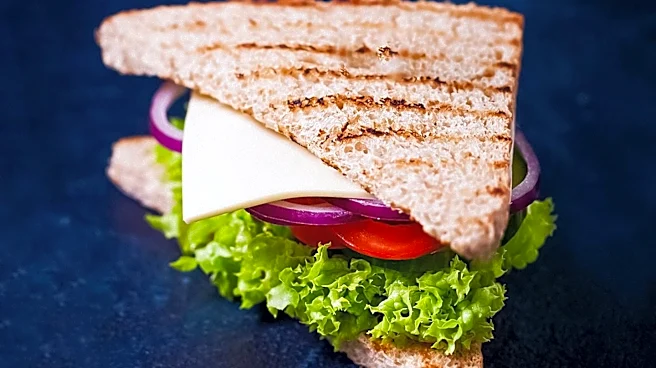
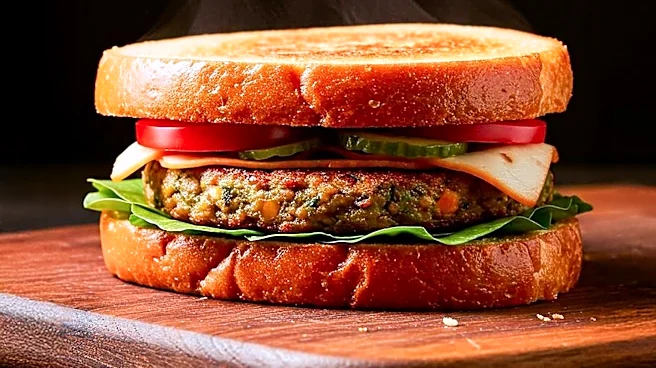
In the United States, tuna salad is often regarded as a dish in its own right, frequently found in salad bars. Its most iconic application is undoubtedly the tuna fish sandwich, a staple of American cuisine. However, its utility extends beyond sandwiches; it can be served atop crackers, lettuce, tomato, or avocado, or simply enjoyed on its own. The convenience of canned tuna was a significant factor in its early popularity, especially as a lower-cost alternative to canned salmon by the 1920s.
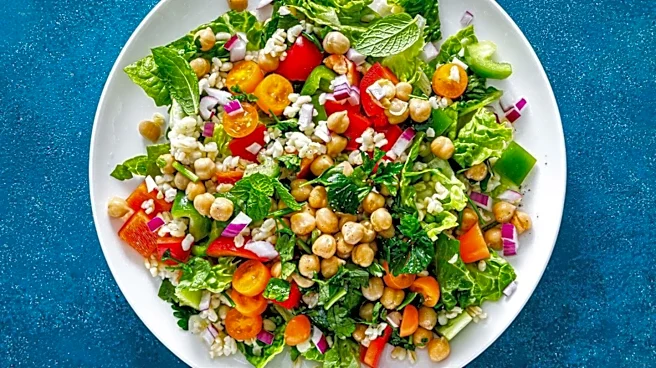
The versatility of tuna salad also allows for its incorporation into other dishes. For example, it can be added to noodles, along with its standard ingredients like onions, mayonnaise, and celery, to create a tuna pasta salad. Internationally, its adaptability is showcased in Belgium, where it is used to make "pêches au thon" or "peaches with tuna." This dish features canned or fresh peaches stuffed with tuna salad, demonstrating a creative and distinct cultural adaptation. This wide range of uses underscores tuna salad's status as a truly versatile and convenient culinary staple.