




The "Saturday Night Massacre" on October 20, 1973, was not merely a single event but a critical turning point that profoundly altered the trajectory of Richard Nixon's presidency. While the immediate crisis involved the firing of Special Prosecutor Archibald Cox and the resignations of top Justice Department officials, its repercussions extended far beyond that dramatic evening. This series of events intensified the Watergate scandal, galvanized public
and congressional opposition, and ultimately played a significant role in the chain of events that led to Nixon's eventual resignation. The massacre exposed what many perceived as a president attempting to place himself above the law, fundamentally eroding trust in the executive branch.
Escalation of the Watergate Crisis
Before the "Saturday Night Massacre," the Watergate scandal was already a serious concern, but Nixon's actions on October 20 dramatically escalated the crisis. The firing of Archibald Cox, who was investigating the President's involvement, and the subsequent resignations of Attorney General Elliot Richardson and Deputy Attorney General William Ruckelshaus, signaled an unprecedented confrontation between the executive branch and the rule of law. These events were widely interpreted as an obstruction of justice, fueling suspicions that Nixon had something to hide regarding the White House tapes that Cox was seeking. The government initially tried to present the affair as concluded, but the Democratic-controlled House and Senate ensured the issue remained at the forefront of the national agenda.Public and Congressional Backlash Intensifies
The public and congressional reaction to the "Saturday Night Massacre" was immediate and severe. Congress was infuriated, viewing Nixon's actions as a gross abuse of presidential power. This sentiment was echoed by a significant portion of the American populace, who responded by sending an unusually large number of telegrams to the White House and Congress in protest. The public outcry was so substantial that, less than a week after the massacre, an Oliver Quayle poll for NBC News indicated a historic shift: for the first time, a plurality of U.S. citizens (44%) supported impeaching Nixon, surpassing those opposed (43%). This marked a critical loss of public confidence that Nixon would never regain.The Path to Impeachment and Resignation
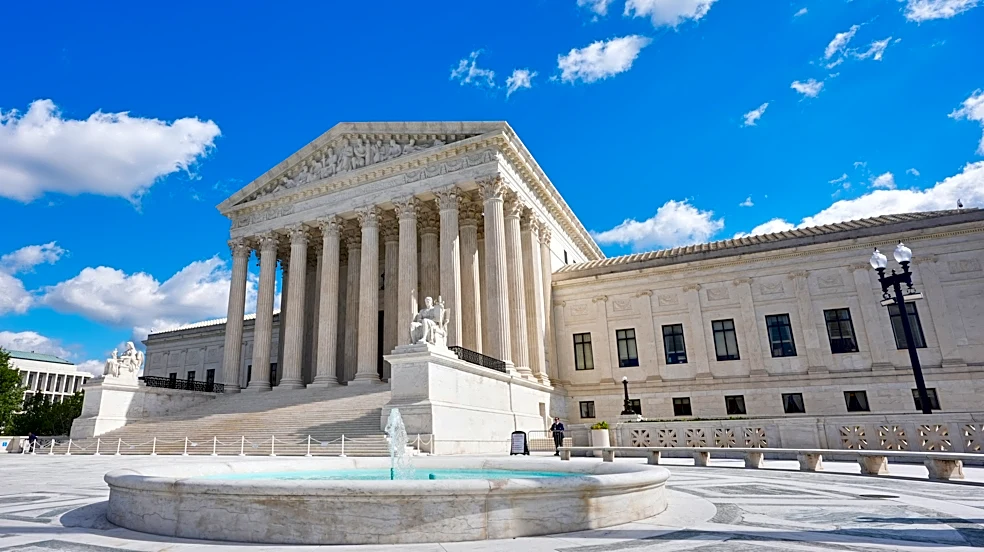
In the wake of the "Saturday Night Massacre," the pressure on Nixon became immense. The illegality of Cox's firing was affirmed on November 14, 1973, when federal district judge Gerhard Gesell ruled that the dismissal was unlawful without a finding of extraordinary impropriety, as specified in the regulations for the special prosecutor's office. Despite the administration's attempts to close the chapter, the ongoing political fallout forced Nixon to appoint a new chief investigator, Leon Jaworski, on November 1, 1973. Jaworski continued the pursuit of the White House tapes, eventually compelling their release through the Supreme Court.The release of these tapes, including the infamous "smoking-gun" tape, provided irrefutable evidence that Nixon had personally ordered the obstruction of justice in the Watergate investigation. The "Saturday Night Massacre" is widely regarded as one of Nixon's gravest errors, as it demonstrated his perceived belief in being above the Constitution and enjoying de facto immunity. This stance alienated even many of his supporters. Ultimately, facing imminent impeachment, Richard Nixon resigned from the presidency on August 9, 1974, less than ten months after the dramatic events of the "Saturday Night Massacre," a direct consequence of the crisis it ignited.