






The evolution of aquarium technology showcases a fascinating journey from basic principles to sophisticated environmental control systems. What began with an understanding of natural processes in a contained environment has developed into a complex interplay of mechanical, chemical, and biological components designed to sustain diverse aquatic life. This technological progression has made it possible for both hobbyists and large public institutions
to create thriving underwater ecosystems.
Early Discoveries and Fundamental Components
The foundational scientific principle for aquariums was established in 1850 by chemist Robert Warington. He demonstrated that aquatic plants in a water container could produce enough oxygen to support animals, provided the animal population was not excessive. This insight was crucial for the viability of early aquariums. As the hobby gained popularity, particularly in Victorian England, the need for practical solutions to maintain these environments became apparent. Early aquariums, while perhaps simpler in design, still required careful management of water quality and animal numbers, relying heavily on this natural balance.
Developing Sophisticated Filtration Systems
Modern hobbyist aquariums typically incorporate a range of essential components, with filtration systems being among the most complex. These systems are often designed to provide both biological and mechanical filtration. Mechanical filtration physically removes particulate matter from the water, while biological filtration is crucial for converting harmful ammonia into less toxic nitrate. This process, known as nitrification, is mediated by microbes housed within the filter media. Some advanced systems also address phosphate removal. The continuous development of these filtration technologies has been vital in creating stable and healthy aquatic environments, moving far beyond the simple plant-based oxygenation of early designs.
Environmental Control: Heating, Cooling, and Lighting
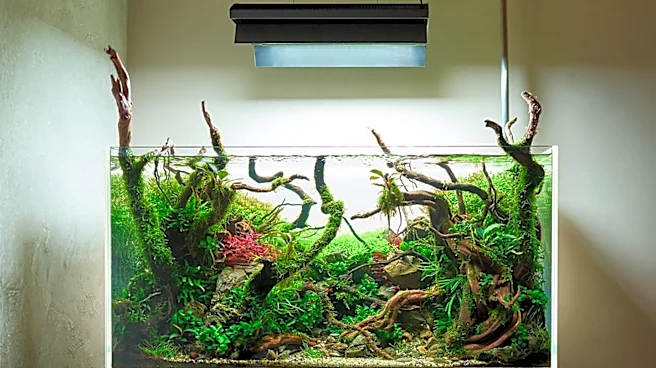
Beyond filtration, maintaining optimal environmental conditions is paramount for aquarium inhabitants. Heaters, often combined with thermostats, allow aquarists to regulate water temperature above the ambient air temperature, catering to species that require warmer conditions. Conversely, coolers and chillers are employed for cold-water aquaria or in environments where room temperature exceeds the desired tank temperature. Thermometers, ranging from glass alcohol types to adhesive strips and battery-powered LCD models, are used to monitor these temperatures accurately. Lighting systems are also critical, especially for aquariums with live plants, and are often integrated into a hood that helps reduce evaporation and prevents inhabitants from escaping.
Water Movement and Structural Considerations
Water circulation and gas exchange are further aspects addressed by modern aquarium technology. Many aquarists use air pumps connected to airstones or water pumps to enhance water movement and ensure adequate gas exchange at the water surface. Specialized wave-making devices have even been developed to simulate natural wave action. The physical characteristics of an aquarium, such as its size, the density of plants, placement of decor like bog-wood, and the type of substrate, all contribute to the behavior and survival of the tank's inhabitants. The structural integrity of an aquarium stand is also vital due to the significant weight of water, requiring it to be strong and level to prevent distortion, leaks, or cracks. Furthermore, electrical usage for heating and lighting is a significant consideration, with proper setup, including drip loops, being essential for safety.