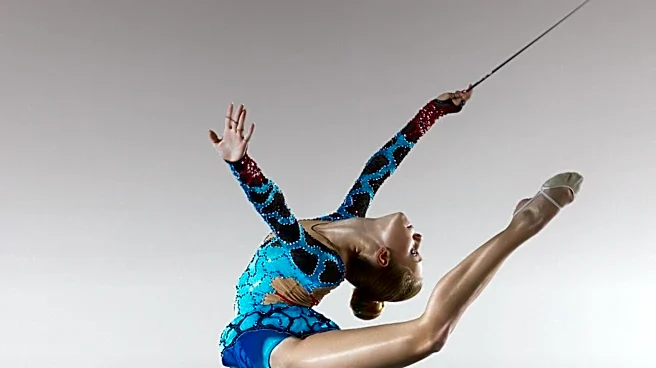








The leotard, a skin-tight one-piece garment, has a rich history that spans from the world of acrobatics to becoming a staple in modern fashion. Originally popularized by French acrobat Jules Léotard, this garment has evolved significantly over the years. Today, it is not only a functional piece for athletes and performers but also a fashion statement embraced by pop culture icons.
Origins and Early Use
The leotard was first introduced by Jules Léotard, a French acrobat
known for his daring trapeze performances. Léotard's invention was a practical solution for his performances, allowing for ease of movement while showcasing his physique. The garment was initially called a "maillot," a French term for tight-fitting shirts or sports shirts. It wasn't until 1886, sixteen years after Léotard's death, that the garment was named after him.
In the early 20th century, leotards were primarily seen in circus and acrobatic shows. Performers appreciated the garment for its ability to provide both modesty and freedom of movement. As the garment gained popularity, it began to influence other areas, such as swimwear, with women's one-piece swimsuits resembling leotards in style.
Transition to Exercise and Dance
By the mid-20th century, the leotard had found its place in the world of dance and exercise. In the 1950s, it became a common sight in ballet and modern dance, often paired with tights. The garment's functionality made it ideal for dancers who required unrestricted movement. During this period, leotards were typically black and worn with thick tights.
The 1970s and 1980s saw a surge in the popularity of leotards, thanks in part to the aerobics craze. Celebrities like Jane Fonda helped popularize the garment through exercise videos, and companies like Danskin produced a variety of styles for both dance and streetwear. The leotard became synonymous with fitness fashion, often seen in vibrant colors and patterns.
Leotards in Modern Fashion
While the popularity of leotards waned in the 1990s, replaced by Lycra pants and leggings, they never completely disappeared. In the late 2010s, leotards made a comeback in the fashion world, frequently worn by pop stars like Beyoncé and Taylor Swift during performances. These modern interpretations often feature bold designs and are paired with other fashion elements like fishnet tights.
Today, leotards continue to be a versatile garment, used in various contexts from athletic competitions to high fashion. Their evolution from a practical acrobatic costume to a fashion icon highlights the garment's enduring appeal and adaptability.