




Apollo 15 was a mission marked by both significant challenges and remarkable achievements. As the first of the J missions, it required overcoming numerous technical and logistical hurdles to achieve its ambitious goals. The mission's success was a testament to the ingenuity and resilience of NASA's team and the astronauts involved.
Technical Challenges and Solutions
One of the early challenges faced by the Apollo 15 mission was a short circuit in a switch controlling the service propulsion
system. This issue was discovered during the trans-lunar injection phase, raising concerns about the engine's reliability. The crew and mission control quickly adapted, developing new procedures to ensure the engine could be safely operated. This quick thinking and adaptability were crucial in maintaining the mission's trajectory and objectives.
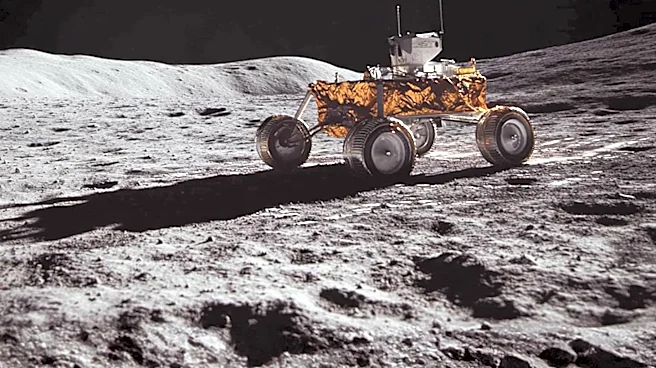
Another technical challenge was the introduction of the Lunar Roving Vehicle (LRV). As a new piece of equipment, the LRV required careful testing and integration into the mission plan. Engineers had to ensure it could be safely deployed and operated on the lunar surface, which involved overcoming issues related to its weight and navigation system. Despite these challenges, the LRV proved to be a valuable asset, greatly enhancing the mission's scientific capabilities.
Logistical Hurdles and Crew Adaptation
The Apollo 15 mission also faced logistical hurdles, particularly in terms of crew training and preparation. The demands of the mission strained the personal lives of the astronauts, with both Worden and Irwin experiencing marital difficulties. Despite these personal challenges, the crew remained focused and committed to their training, which included extensive geological studies and simulations.
The mission's extended duration and increased scientific focus required the crew to adapt to new procedures and equipment. This included learning to operate the LRV and conducting complex experiments on the lunar surface. The astronauts' ability to adapt and perform under pressure was a key factor in the mission's success.
Triumphs and Legacy
Despite the challenges, Apollo 15 achieved its objectives and set new standards for lunar exploration. The mission's success demonstrated the effectiveness of the J mission model, with its emphasis on extended stays and scientific research. The data collected during Apollo 15 provided valuable insights into the Moon's geology and environment, informing future missions and research.
Apollo 15's triumphs were a testament to the dedication and skill of everyone involved, from the engineers and scientists to the astronauts themselves. The mission's legacy continues to inspire and inform space exploration efforts, highlighting the importance of perseverance and innovation in overcoming challenges.