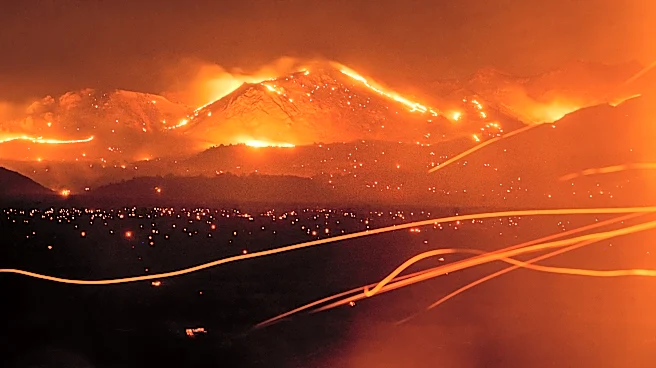






The 2019 Amazon rainforest wildfires represented a significant environmental crisis, marked by a surge in fires across Brazil, Bolivia, Paraguay, and Peru during the Amazonian tropical dry season. While fires are a recurring phenomenon in the dry season, the increased rates in 2019 drew international alarm, primarily due to their connection to human activities like slash-and-burn agriculture. This crisis underscored the profound impact of deforestation
and land-clearing practices on one of the world's most vital ecosystems.
Human-Driven Causes of the Fires
The vast majority of the 2019 Amazon wildfires were not natural occurrences but rather a direct result of human actions. Experts estimated that 99% of the wildfires in the Amazon basin were caused by human activity, whether intentional or accidental. These fires are typically initiated as part of the slash-and-burn method, a technique used to clear forest land for various purposes, including agriculture, livestock farming, logging, and mining. This process involves felling trees during the wet season and then burning the dried vegetation months later in the dry season, usually between July and October.
Further evidence pointing to human causation includes the clustering of fires near roads and existing agricultural areas, rather than in remote parts of the forest. This pattern suggests that the fires are linked to ongoing land-use changes and expansion. Although such land-clearing activities are generally illegal in these nations, lax enforcement of environmental protection laws often allows them to continue, exacerbating the problem of deforestation.
The Scale of Destruction and Environmental Consequences
The scale of the 2019 fires was immense, with Brazil's National Institute for Space Research (INPE) reporting over 80,000 fires across Brazil by August 29, 2019, a 77% increase from the previous year. More than 40,000 of these fires occurred within Brazil's Legal Amazon. Similar increases were observed in Bolivia, Paraguay, and Peru. It is estimated that over 906,000 hectares (2.24 million acres) of forest within the Amazon biome were lost to fires in 2019.
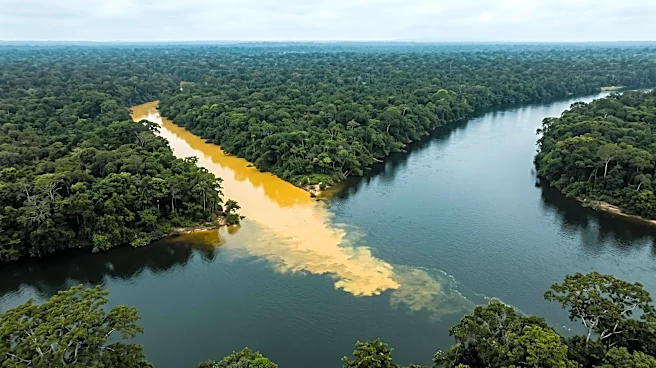
The environmental impacts were severe and far-reaching. The fires released massive amounts of carbon dioxide and carbon monoxide into the atmosphere, contributing to climate change. The destruction of the Amazon's dense canopy exposed lower levels of the ecosystem, altering energy flow in the food chain. Additionally, the fires affected water chemistry, decreasing dissolved oxygen and impacting aquatic species and mammals dependent on them, such as the giant otter. Ecologists projected that the long-term dieback from the Amazon rainforest due to these fires could cost Brazil an estimated $957 billion to $3.5 trillion over a 30-year period.
Impact on Indigenous Communities and International Response
Beyond the environmental devastation, the slash-and-burn practices and resulting wildfires posed a direct threat to the approximately 306,000 indigenous people in Brazil who live within or near the rainforest. Representatives of these communities reported that farmers, loggers, and miners, emboldened by certain government policies, were forcing indigenous people off their lands, sometimes violently. Some indigenous groups, who traditionally use fire management for agriculture, found themselves criminalized, leading to vows to defend their ancestral lands against deforestation.
The international community responded with significant concern. French President Emmanuel Macron and other leaders attributed the increased fires to Brazilian President Jair Bolsonaro's pro-business policies, which they argued weakened environmental protections. The G7 summit allocated $22 million in emergency aid to affected Amazonian countries, though Bolsonaro initially rejected some international assistance. The crisis highlighted the Amazon's critical role as the world's largest terrestrial carbon dioxide sink and its importance in mitigating global warming, prompting widespread calls for stronger conservation efforts.