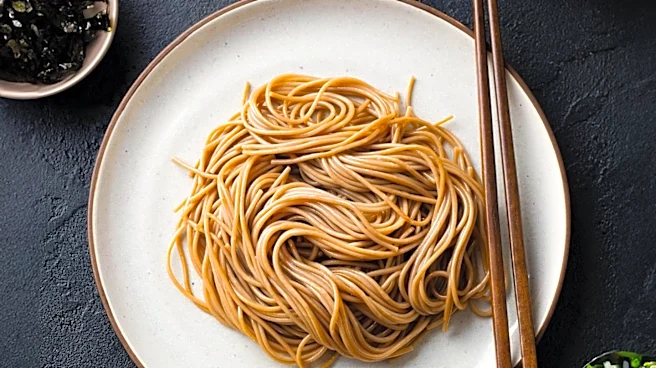




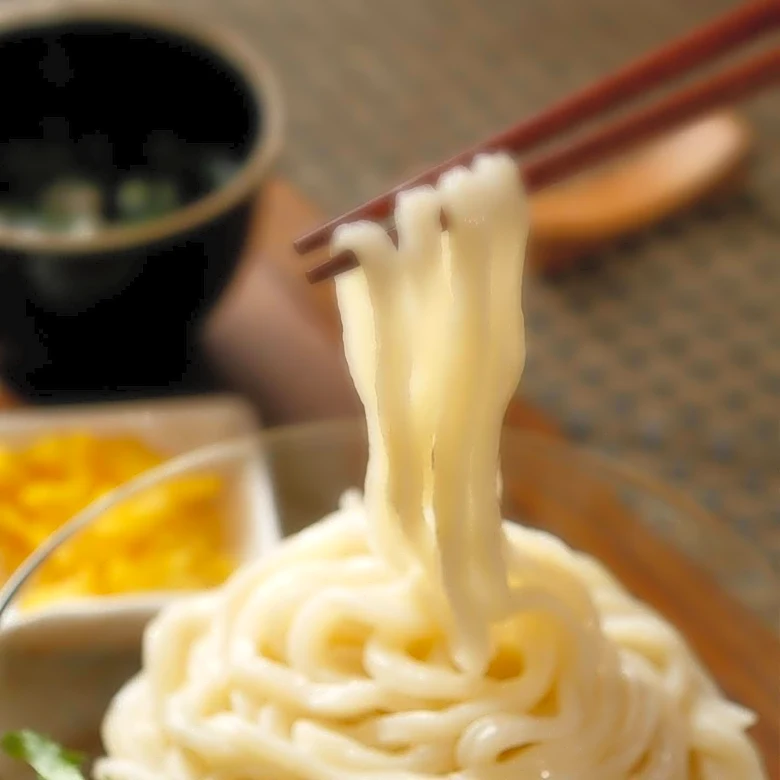

Udon noodles are a beloved staple in Japanese cuisine, known for their thick, chewy texture and versatility in dishes. While they may seem simple at first glance, udon noodles come in a variety of forms, each with its own unique characteristics and regional significance. This article delves into the different types of udon noodles found across Japan, highlighting their distinct features and the cultural nuances they bring to the table.
Regional Variations
Udon noodles
are made from wheat flour and salt, but their preparation and presentation can vary significantly depending on the region. In eastern Japan, the broth used for udon is typically made with dark soy sauce, giving it a rich, robust flavor. In contrast, western Japan favors a lighter soy sauce, resulting in a more delicate broth. These regional differences are so pronounced that even instant udon noodles are often sold in multiple versions to cater to local tastes.
One notable regional variety is the Inaniwa udon from Akita Prefecture, which is thinner than the standard udon noodle. This type of udon is known for its smooth texture and is often served chilled with a dipping sauce. Another variation is the Ise udon from Mie Prefecture, characterized by its soft texture and sweet soy sauce dressing.
Unique Udon Types
Beyond regional differences, some udon varieties stand out due to their unique ingredients or preparation methods. Hōtō udon, for example, is a flat and wide noodle from Yamanashi Prefecture, typically served in a miso-based soup with vegetables like kabocha squash. Unlike other udon noodles, Hōtō is made without salt, giving it a distinct taste and texture.
Gōsetsu udon from Hokkaido is another interesting variant. Made with potato starch, these noodles have a slightly translucent appearance and a chewy texture. The name "Gōsetsu," meaning "heavy snow," reflects both the snowy region of its origin and the noodle's snow-like appearance.
Cultural Significance
Udon noodles are more than just a culinary delight; they hold cultural significance in Japan. Each type of udon reflects the local ingredients and culinary traditions of its region. For instance, the Kansai region's preference for a soft, medium-thickness udon highlights the area's emphasis on subtle flavors and textures.
The diversity of udon noodles showcases the rich tapestry of Japanese cuisine, where even a simple noodle dish can tell a story of regional pride and cultural heritage. Whether enjoyed in a hot broth or served chilled, udon noodles offer a delicious glimpse into the culinary landscape of Japan.