
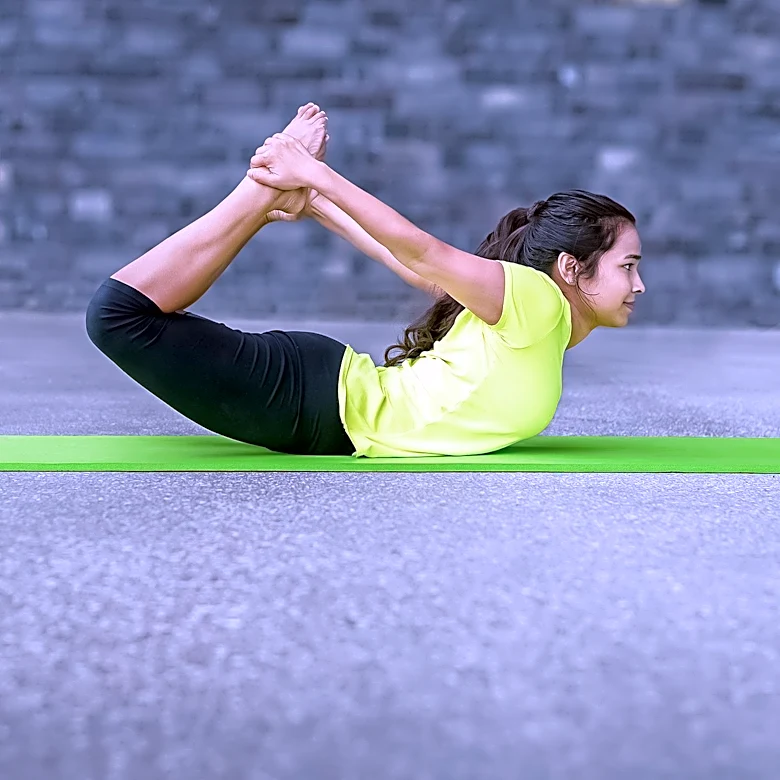
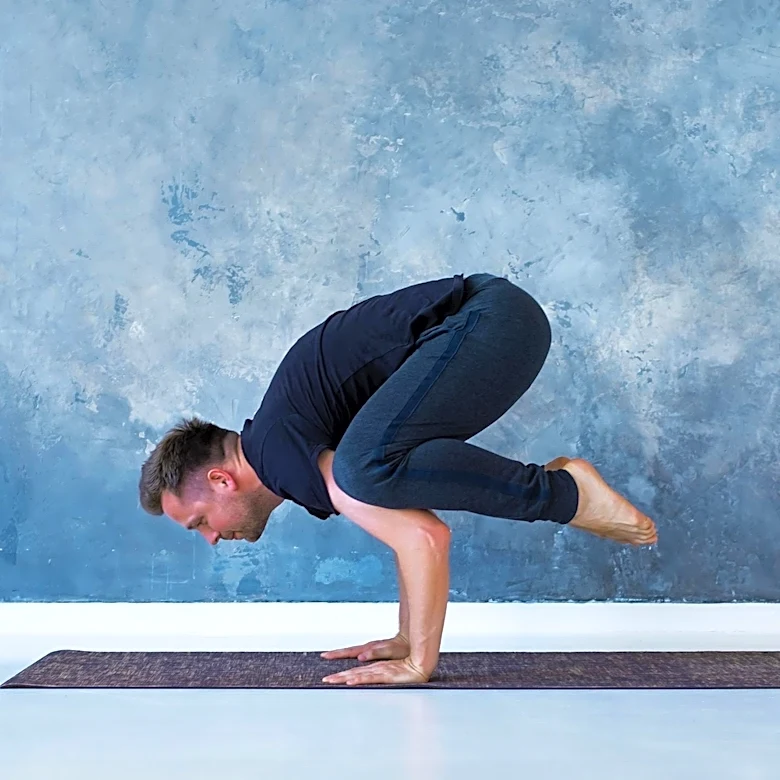
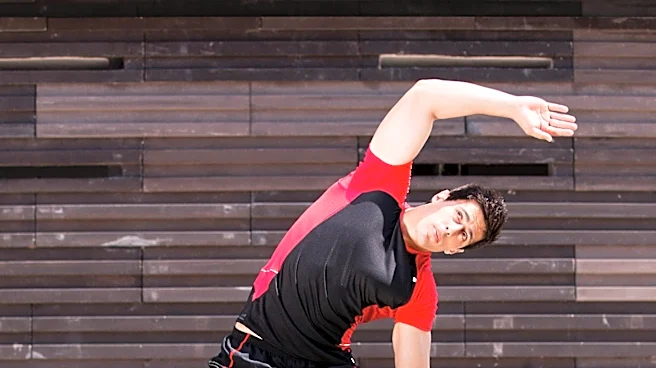
In the practice of yoga, mudras are symbolic gestures or positions, primarily involving the hands, but also encompassing body postures and perineal engagements. These mudras are utilized in conjunction with pranayama, which are yogic breathing exercises, typically performed while seated in specific poses like Padmasana, Ardhasiddhasana, Sukhasana, or Vajrasana. The fundamental purpose of mudras is to stimulate different parts of the body and mind,
thereby influencing the flow of prana, or life force energy, within the body.
Hasta Mudras: Gestures of the Hand
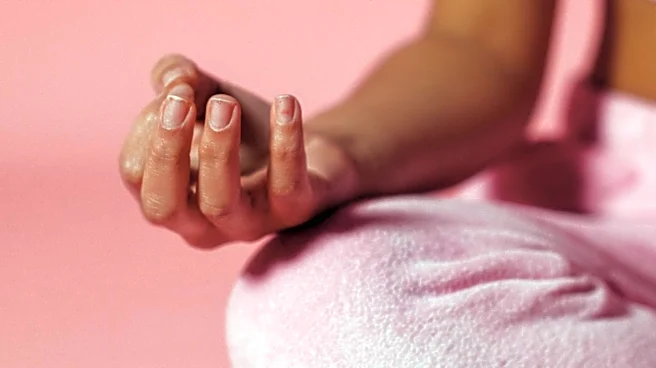
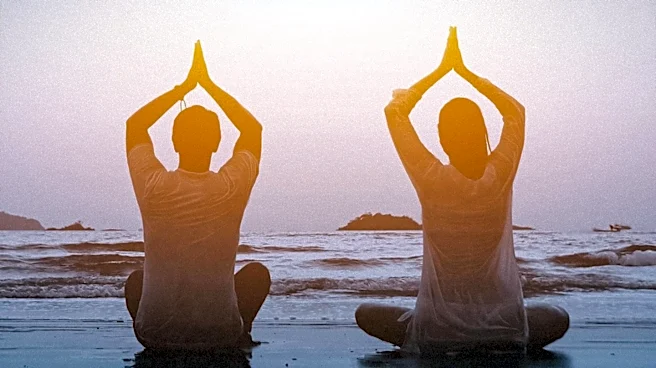
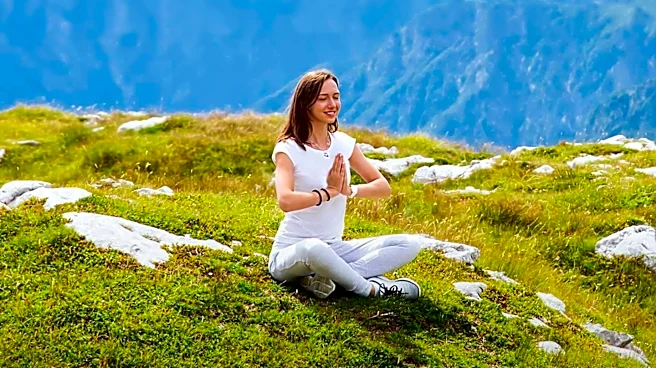
Hasta mudras are hand gestures, and they form a significant category within the broader system of mudras. Each hasta mudra is designed with a specific intention and involves precise positioning of the fingers and thumb. For instance, the Anjali Mudra, known as the Gesture of Reverence, involves palms touching with fingers pointing upward, often placed in front of the sternum, forehead, or overhead. This mudra can also signify offering or prayer.
Another important hasta mudra is the Dhyana Mudra, or Psychic Gesture of Meditation, where upturned hands overlap, usually with the right hand on top of the left, and the thumbs touching. The Vayu Mudra, the Psychic Gesture of the Element Air, involves placing the tip of the index finger on the ball of the thumb, with the thumb covering the bent finger, while the other three fingers are extended. Similarly, the Shunya Mudra, or Psychic Gesture of Void, has the middle finger bent with the thumb over it, and the other three fingers extended, sometimes with the tip of the bent finger on the ball of the thumb.
Further examples include the Prithvi Mudra (Psychic Gesture of Element Earth), where the ring finger is bent with the thumb over it, and the Varuna Mudra (Psychic Gesture of Element Water), where the little finger is bent with the thumb over it. The Shakti Mudra, a Psychic Gesture of Power, involves the tips of the little and ring fingers of both hands touching, with the middle and index fingers folded, and sometimes the thumb folded towards the palm. The Hakini Mudra is characterized by hand-steepling or finger-tenting, where matching fingertips of the right and left hands are joined.
Other notable hasta mudras include the Prana Mudra (Psychic Gesture to Activate Life Force Energy), where the tips of the little finger and ring fingers touch the thumb, with the other two fingers extended. The Apana Mudra (Psychic Gesture of Life Force) involves the tips of the middle and ring fingers touching the thumb. The Poorna Mudra, also known as Brahma Mudra, is a Gesture of Full Breath, where the thumb is tucked in at the base of the fingers, and the remaining fingers curl over the thumb to form a fist. These fisted hands are then tucked under the navel area, with fingers facing upwards and the back of the fingers touching.
The Jnana Mudra, or Psychic Gesture of Knowledge, has the tip of the index finger touching the thumb with the palm facing downward, while the Chin Mudra, the Psychic Gesture of Consciousness, is similar but with the palm facing upward. The Adi Mudra, meaning "The First Gesture," is held by a newborn baby, with the thumb tucked in at the base of the fingers and the remaining fingers curled over the thumb to form a fist. The Chinmaya Mudra, pervaded by consciousness, involves the tip of the thumb and index finger touching, with the other three fingers folded. The Yoni Mudra, or Attitude of the Womb or Source, has hands touching by the tips of the thumbs and index fingers, with the other six fingers either interlaced or folded and pressed together. The Bhairav Mudra, a Fierce or Terrifying Attitude, features upturned hands overlapping each other, usually right on top of left. The Hridaya Mudra, or Heart Gesture, involves the index finger bent under the thumb, with the middle and ring fingers touching the tip of the thumb, and the little finger extended. The Vishnu Mudra, Hand Gesture of Lord Vishnu, has the thumb, ring, and little finger extended, while the index and middle fingers are folded and touch the pad of the thumb. Finally, the Granthita Mudra, or Knot Gesture, has the thumb and index fingers of each hand touching at their tips and interlaced, with the other fingers also interlaced and folded at the knuckles.
Kaya and Adhara Mudras
Beyond hand gestures, mudras also encompass broader body positions and perineal engagements. Kaya mudras, or postural mudras, combine specific body positions with breathing techniques and concentration. An example is the Manduki Mudra, known as the Gesture of the Frog, which is a postural mudra. Other kaya mudras include Prana Mudra (Energy/Breath Seal), Vipareeta Karani Mudra (Inverted Seal), Yoga Mudra (Union Mudra), Pashinee Mudra (Folded Mudra), and Tadagi Mudra (Barrelled Abdomen Technique).
Adhara mudras, or perineal mudras, are performed on the pelvic floor area. These mudras are often associated with the practice of harnessing sexual energy. While the specific techniques for these mudras are not detailed, their classification highlights the comprehensive nature of mudra practice in yoga, extending beyond simple hand gestures to involve the entire body and its energetic systems.