






In 1967, the Mariner 5 spacecraft embarked on a crucial mission to Venus, aiming to shed new light on the enigmatic, cloud-covered planet. Launched as part of the Mariner program, this American interplanetary probe was equipped with more sensitive instruments than its predecessor, Mariner 2, allowing for a deeper investigation into Venus's atmosphere and the conditions of interplanetary space. Its journey culminated in a close flyby, providing invaluable
data that not only advanced scientific understanding of Venus but also fostered an unprecedented era of international space collaboration.
A Mission of Discovery to Venus
Mariner 5's primary objectives were multifaceted, designed to probe Venus's atmosphere through radio occultation, measure the hydrogen Lyman-alpha spectrum (a hard ultraviolet measurement), and sample solar particles and magnetic field fluctuations above the planet. Specifically, the mission sought to measure interplanetary and Venusian magnetic fields, charged particles, plasma, radio refractivity, and ultraviolet emissions from the Venusian atmosphere. These experiments were carefully chosen to build upon previous missions and address lingering questions about Venus's environment.
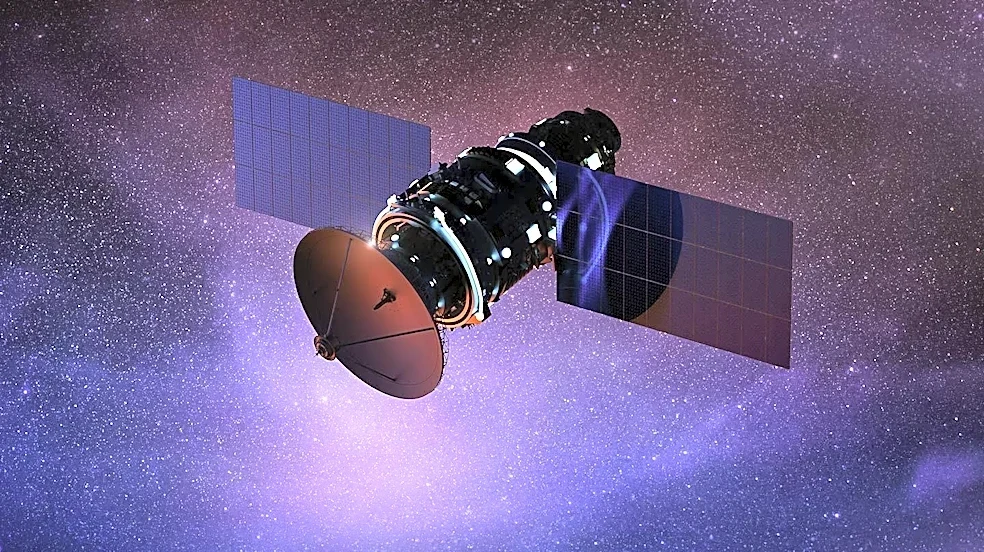
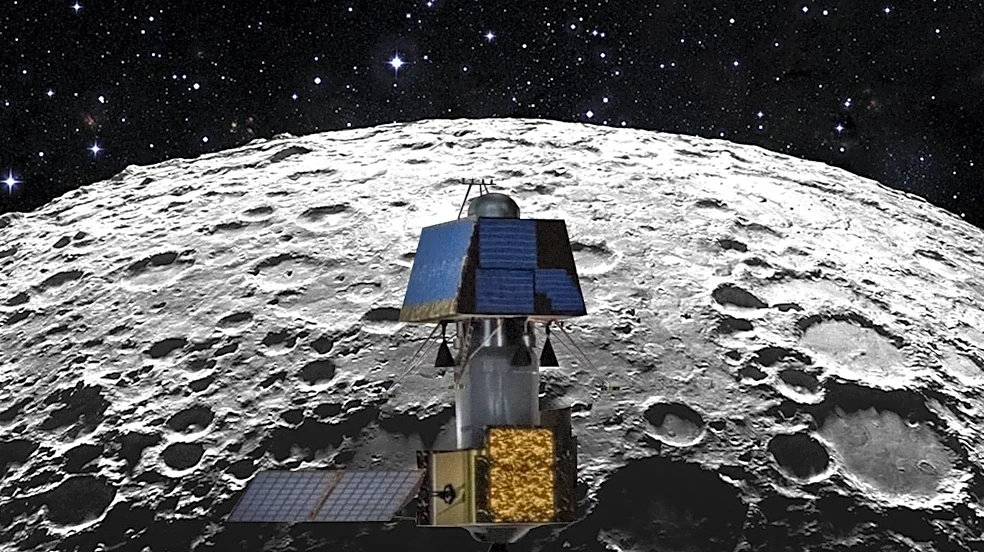
The spacecraft successfully flew by Venus on October 19, 1967, at an altitude of 3,990 kilometers (approximately 2,480 miles). This close encounter allowed Mariner 5's advanced instrumentation to gather critical data. The mission's design was a testament to engineering ingenuity; originally built as a backup for Mariner 4, it was modified for its Venusian target. This included reversing its solar panels to face the sun due to its closer proximity to the sun, and reducing their size to save mass and accommodate new antennas. The solar plasma probe was also relocated to the aft-facing side of the spacecraft.
Collaborative Insights into a Dense Atmosphere
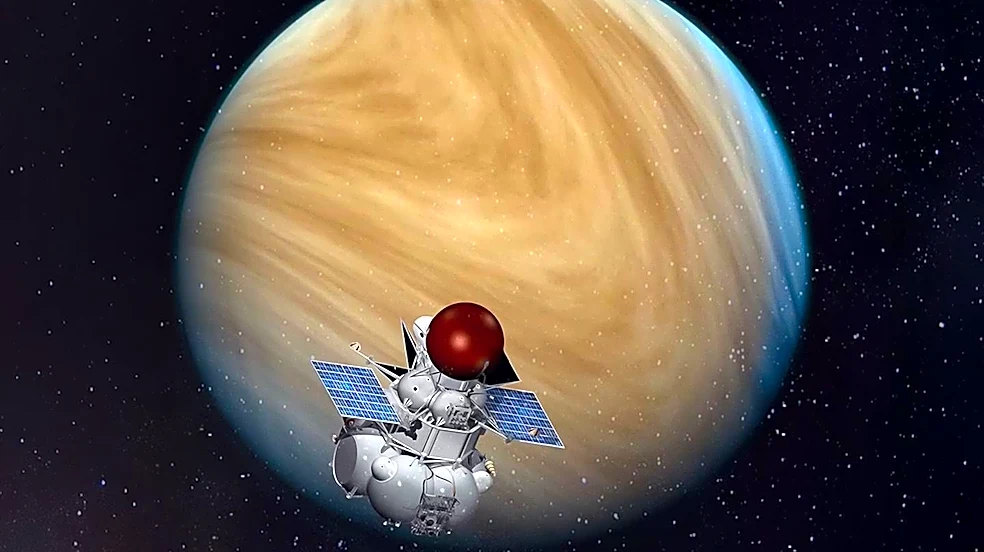
One of the most significant contributions of Mariner 5 was its role in a groundbreaking international scientific effort. Radio occultation data collected by Mariner 5 proved instrumental in interpreting the temperature and pressure data returned by the Soviet Venera 4 lander. Venera 4 had arrived at Venus shortly before Mariner 5, and the combined data from both missions offered a more comprehensive picture of the planet's atmosphere.
This collaborative analysis was formalized in 1969 under a combined Soviet–American working group of COSPAR, an organization dedicated to early space cooperation. The joint study of the Venera 4 and Mariner 5 data led to a pivotal conclusion: Venus possessed a very hot surface and an atmosphere that was even denser than scientists had previously anticipated. This finding was a major step forward in understanding the extreme conditions on Venus, highlighting the power of international scientific collaboration in unraveling the mysteries of our solar system. The mission's success underscored the potential for nations to work together on complex scientific endeavors, even during a period of geopolitical tension.
Engineering Adaptations for a Venusian Journey
The modification of Mariner 5 from a backup for a Mars mission to a dedicated Venus probe involved several key engineering changes. Beyond the solar panel adjustments, the mounting for the high-gain antenna also required modification. Unlike Mariner 4, which had a relatively simple 38-degree inclination for its high-gain antenna, Mariner 5's trajectory necessitated a more complex, skewed angle. This antenna also featured a single-use mechanism to shift its angle, crucial for the radio occultation experiment.
Additionally, Mariner 5 incorporated new equipment not present on Mariner 4, such as its Ultraviolet Photometer, two 50 MHz dual-frequency receiver (DFR) antennas, and a 423 MHz DFR antenna. A deployable sun-shade was also added to the aft of the spacecraft for thermal control, a vital consideration for a mission venturing closer to the sun. These adaptations ensured Mariner 5 was optimally configured to withstand the Venusian environment and gather the specific data required to meet its ambitious scientific goals, ultimately contributing to a clearer understanding of Earth's planetary neighbor.