




Topstitching is a fundamental sewing technique characterized by a line of stitching that is intentionally visible on the exterior of a garment. This visibility serves a dual purpose, offering both functional benefits and decorative appeal. Whether used to reinforce edges, secure components, or add a touch of style, topstitching plays a significant role in the overall appearance and durability of sewn items. Its application ranges from everyday clothing
to specialized accessories, demonstrating its versatility in the textile arts.
The Practical Applications of Topstitching
One of the primary functional uses of topstitching is to enhance the structure and stability of garment edges. It is frequently applied to areas such as necklines and hems, where it helps to keep facings securely in place. By doing so, topstitching contributes to a crisp, well-defined edge that maintains its shape over time and through wear. This practical application is crucial for creating garments that are not only aesthetically pleasing but also robust and long-lasting.
Beyond garment edges, topstitching is also employed to attach various details. For instance, it can be used to secure pockets, ensuring they remain firmly attached to the main fabric. Similarly, it is often utilized for tabs on zippers, particularly in items like bags, where a strong and visible attachment is necessary. In these instances, the stitching provides essential reinforcement, preventing components from detaching or shifting during use. The strength and visibility of topstitching make it an ideal choice for these functional requirements.
Decorative Potential and Thread Choices
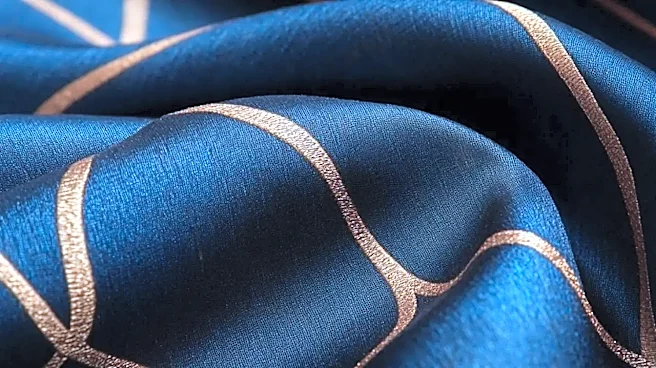
While highly functional, topstitching also offers considerable decorative potential. When the intention is purely aesthetic, topstitching is designed to be a prominent feature of the garment. This can involve using a fancy thread that stands out against the fabric, or employing a special type of stitch that adds visual interest. Decorative topstitching allows designers and sewers to add unique accents and personalize their creations, transforming a simple seam into a design element.
Conversely, when the primary goal is functional and a subtle appearance is desired, topstitching is typically executed using a straight stitch. In such cases, the thread chosen usually matches the fashion fabric, allowing the stitching to blend in while still providing its structural benefits. This careful selection of thread color ensures that the topstitching supports the garment's construction without drawing undue attention to itself, maintaining a clean and polished look. The choice between decorative and matching thread depends entirely on the desired outcome and the specific design requirements of the project.