




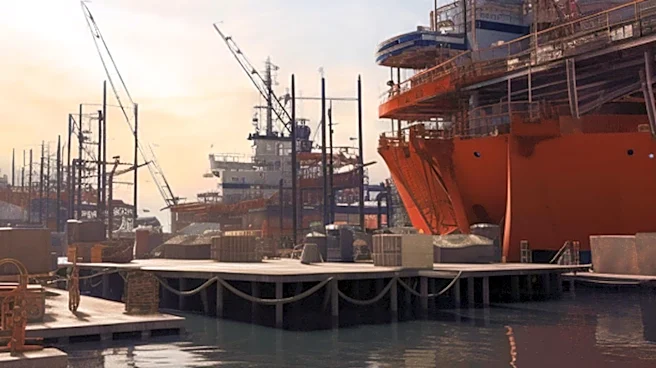

Oil tankers are a vital component of the global oil industry, facilitating the transportation of crude oil and refined products across the world's oceans. While they play a crucial role in global trade, oil tankers also pose significant environmental challenges. This article examines the impact of oil tankers on global trade and the environment, highlighting both their contributions and the risks they present.
Oil Tankers and Global Trade
Oil tankers have been instrumental in shaping
global trade by enabling the efficient transportation of oil from production sites to markets worldwide. The development of modern oil tankers in the late 19th century revolutionized the oil industry, allowing for the large-scale movement of oil across vast distances. This capability has been essential in meeting the growing energy demands of industrialized nations.
The introduction of steam-powered tankers in the early 20th century further enhanced the efficiency of oil transportation. These vessels, such as the Arrow-class tankers, were designed to carry large quantities of oil over long distances, facilitating trade between regions like California and East Asia. The rise of supertankers in the early 2000s marked another significant advancement, with these massive ships capable of transporting even larger volumes of oil, thus reducing transportation costs and increasing trade efficiency.
Environmental Challenges and Oil Spills
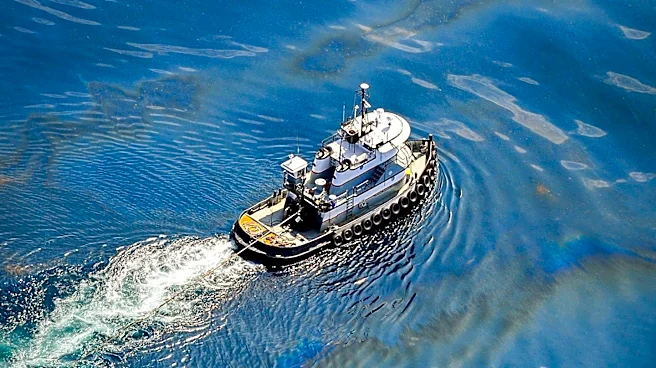
Despite their contributions to global trade, oil tankers pose significant environmental risks, particularly in the event of oil spills. The history of oil tankers is marred by several high-profile spills that have caused extensive environmental damage. These incidents highlight the potential dangers associated with transporting large quantities of oil by sea.
Oil spills can have devastating effects on marine ecosystems, contaminating water and harming wildlife. The cleanup process is often complex and costly, requiring significant resources and time to mitigate the damage. As a result, there is a growing emphasis on improving the safety and environmental standards of oil tankers to prevent such disasters.
Innovations in Safety and Environmental Protection
In response to the environmental challenges posed by oil tankers, the industry has made significant strides in improving safety and reducing environmental impact. Modern tankers are equipped with advanced technologies, such as inert gas systems and double hulls, to minimize the risk of spills and enhance safety.
Additionally, international regulations and best practices have been established to govern the operation of oil tankers, ensuring that they adhere to strict safety and environmental standards. These measures are crucial in balancing the need for efficient oil transportation with the imperative to protect the environment.
In conclusion, while oil tankers are essential for global trade, their environmental impact cannot be overlooked. Ongoing efforts to enhance safety and reduce environmental risks are vital in ensuring that oil transportation remains sustainable and responsible.