




The 1983 Baltimore Orioles season culminated in a Major League Baseball World Series championship, marking a significant achievement for the franchise. This victory was particularly notable as it was the Orioles' first season in nearly 15 years without the legendary manager Earl Weaver, who had retired after the 1982 season. Joe Altobelli stepped into the managerial role, guiding the team to a dominant performance throughout the year, finishing first in the American
League East with an impressive record of 98 wins and 64 losses. This championship remains, as of 2026, Baltimore's most recent World Series title and their last appearance in the Fall Classic.
A Powerful Lineup and Stellar Individual Performances
The Orioles' success in 1983 was built upon a strong offensive core and exceptional individual performances. First baseman Eddie Murray was a cornerstone of the lineup, boasting a .306 batting average, 33 home runs, and 111 runs batted in, ultimately finishing second in the American League MVP voting. However, it was shortstop Cal Ripken Jr. who captured the 1983 MVP award, out-pointing Murray with a .318 batting average, 27 home runs, and 102 RBIs. Ripken Jr. also completed his transition from third base to shortstop, playing his first full season at the new position after winning Rookie of the Year honors the previous year.
Veteran outfielder Ken Singleton transitioned into the designated hitter role, while the rest of the team featured a corps of platoon players, contributing to the team's depth. The Orioles' offense was a force in the American League, leading the league in team home runs with 168 and on-base percentage at .340. They also ranked second in runs scored, doubles, and walks, demonstrating a well-rounded and potent attack that consistently put pressure on opposing pitchers.
The Strength of the Pitching Staff
Under Altobelli, the Orioles' pitching staff proved to be one of the best in the league. While 37-year-old Jim Palmer, a long-time Orioles hero, started only 11 games and won five, he notably secured a win in the World Series, his final career victory before being released in early 1984. The younger generation of pitchers carried the bulk of the load, with Scott McGregor leading the staff with 18 wins (18–7, 3.18 ERA) and 25-year-old Mike Boddicker contributing 16 wins (16–8, 2.77 ERA). They were ably supported by 21-year-old Storm Davis (13–7, 3.59 ERA) and veteran Mike Flanagan (12–4, 3.30 ERA).
The bullpen was equally effective, with reliever Tippy Martinez posting a career-high 21 saves. Sammy Stewart added nine wins out of the bullpen, further solidifying the team's late-game capabilities. Collectively, the Orioles' pitching staff led the American League in shutouts with 15 and ranked second in both total wins (98) and earned run average (3.63). This strong pitching, combined with their powerful offense, allowed the Orioles to dominate their division and navigate the postseason successfully.
Postseason Dominance and World Series Triumph
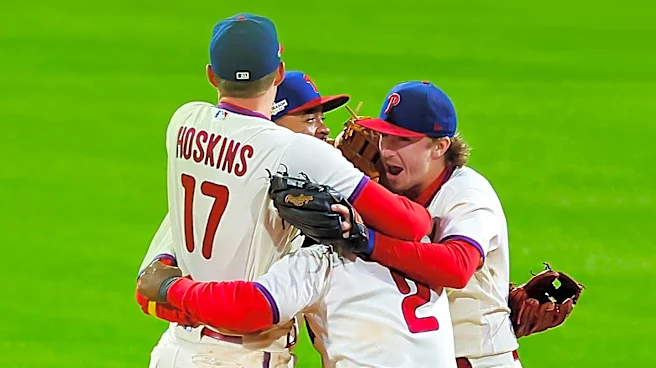
The Orioles' path to the World Series included a decisive victory in the American League Championship Series. After winning the American League East by six games over the Detroit Tigers, they faced the Chicago White Sox. The Orioles defeated the White Sox three games to one, showcasing their readiness for the ultimate challenge. In the World Series, they continued their strong play, ultimately beating the Philadelphia Phillies four games to one. This championship was a testament to Altobelli's leadership in his first year, the blend of veteran experience and youthful talent, and the overall strength of the team's hitting and pitching. The 1983 season stands as a memorable chapter in Baltimore Orioles history, marking their third World Series title.