





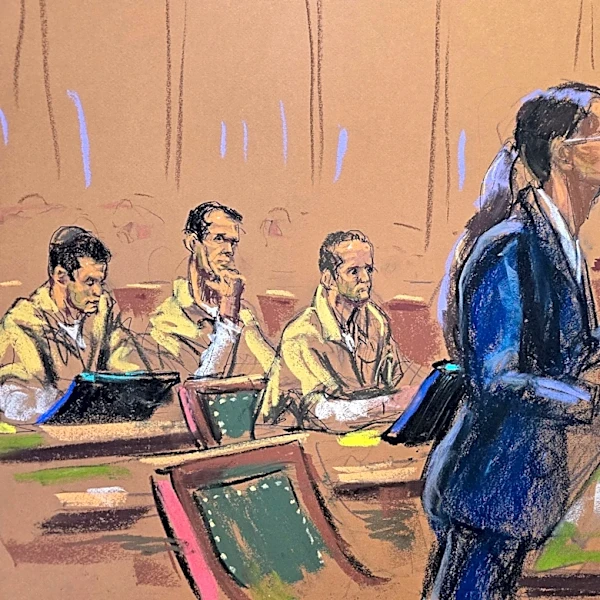




The attack on Paul Pelosi on October 28, 2022, was not a random act but a targeted home invasion driven by specific, politically motivated intentions. The assailant, David DePape, a 42-year-old man from Berkeley, California, revealed his plans and beliefs during police interviews following his arrest. His actions and the items found in his possession painted a picture of a man deeply entrenched in conspiracy theories and harboring violent aims against
prominent political figures. Understanding DePape's motivations provides crucial context to the shocking events that unfolded in the Pelosi residence.
DePape's Stated Intentions and Political Beliefs
During an interview with San Francisco Police Department officers after being read his Miranda rights, David DePape openly discussed his plans. He stated that his primary objective was to hold Nancy Pelosi hostage. DePape viewed her as the "leader of the pack" responsible for what he perceived as lies told by the Democratic Party. He expressed a belief that he was fighting against "tyranny" and drew comparisons between himself and the American Founding Fathers, suggesting a distorted sense of historical justification for his actions.
DePape further elaborated on his intentions for Nancy Pelosi, stating that he planned to kidnap and interrogate her. He explicitly mentioned that if she "lied" to him, he would break her kneecaps. His rationale for this extreme violence was to create a "warning" for other members of Congress, believing that if she were brought to Congress in such a condition, it would send a powerful message. These statements, made shortly after the attack, indicated a clear political motivation and a desire to inflict both physical harm and symbolic terror.
Evidence of Premeditation and Broader Targets
The items discovered in DePape's backpack at the scene of the crime provided further evidence of his premeditation and violent intent. Police found multiple zip ties, duct tape, white rope, a second hammer, and both rubber and cloth gloves. These tools are commonly associated with kidnapping and restraint, reinforcing DePape's stated goal of taking Nancy Pelosi hostage. The presence of a second hammer also suggested a readiness for sustained violence.
Investigators later revealed that DePape possessed a list of additional potential targets, indicating that the attack on the Pelosi residence was part of a broader scheme. This detail underscored the calculated nature of his actions and suggested that other public figures might have been in danger had he not been apprehended. The search of a garage in Richmond, California, where DePape had lived for two years, pursuant to a federal search warrant, yielded more items of concern. Investigators reported seizing "two hammers, a sword, and a pair of rubber and cloth gloves" from that property, further illustrating his preparedness for violence.
DePape's Background and Lack of Prior Threat Detection
Prior to the attack, David DePape was not known to the U.S. Capitol Police (USCP) and was not listed in any federal databases that tracked threats. This lack of prior intelligence meant that authorities had no specific reason to monitor him before the incident. Despite Nancy Pelosi receiving more violent threats than any other legislator and being accompanied by a security detachment when traveling, her home did not have 24-hour live protection, and external video surveillance was only monitored in real-time when she was at home. This gap in security allowed DePape to execute his plan without immediate detection, highlighting a vulnerability that was exploited by an individual driven by radical beliefs.