


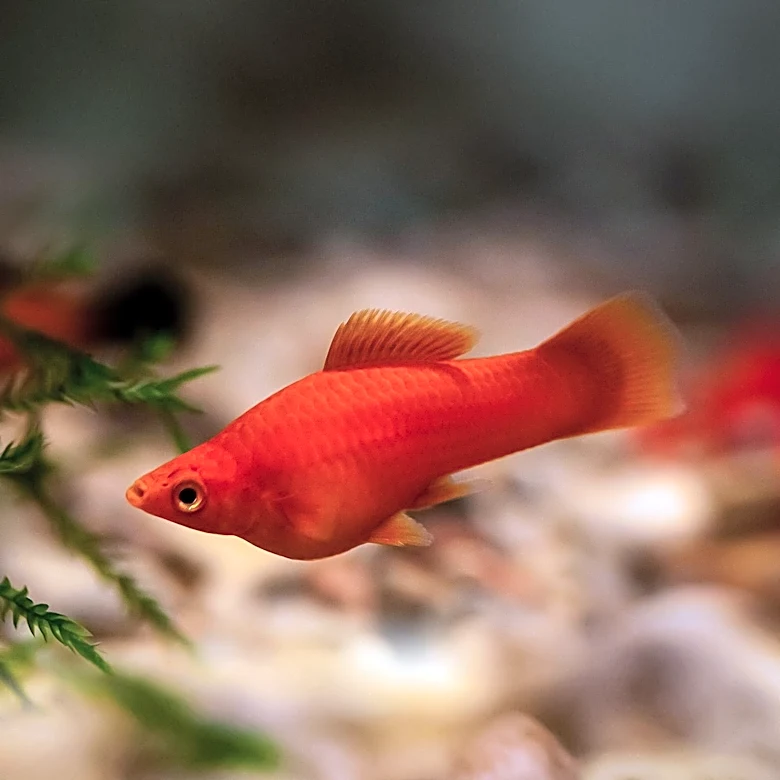
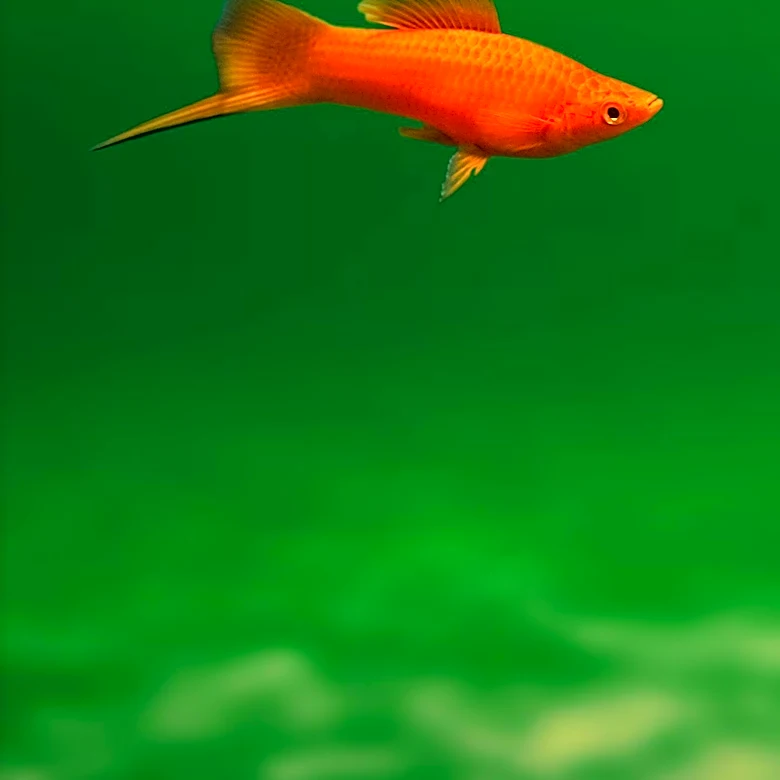



The Marbled Swordtail, known scientifically as *Xiphophorus meyeri*, represents a poignant case study in species conservation. This freshwater fish, belonging to the Poeciliidae family, was once endemic to a specific region of northeastern Mexico. Its story highlights the delicate balance of ecosystems and the critical role of human intervention in preventing complete extinction. Today, the Marbled Swordtail survives solely through dedicated captive
breeding programs, a testament to its precarious status.
Habitat and Environmental Preferences
Historically, the Marbled Swordtail was found exclusively within the Rio Salado system, which is part of the larger Rio Grande basin, located in Coahuila, northeastern Mexico. Its natural habitat was quite specific, restricted to springs, interconnected creeks, and pools. These waters typically had a pH that was slightly above neutral, and temperatures ranged from 61–79 °F (16–26 °C). Captive studies have further refined our understanding of its optimal environmental needs, indicating that a temperature of around 75 °F (24 °C) is ideal for the species.
This narrow range of environmental tolerance likely contributed to its vulnerability. The species shared its northernmost natural distribution among *Xiphophorus* species with the closely related Monterrey platyfish (*X. couchianus*) and the northern platyfish (*X. gordoni*). The specific name of this species, *meyeri*, was chosen to honor the German ichthyologist Manfred K. Meyer, recognizing his contributions to the field.
Extinction in the Wild and Conservation Efforts
The fate of the Marbled Swordtail in its natural environment is a somber one. The International Union for Conservation of Nature (IUCN) has declared the species extinct in the wild, with the last confirmed wild sighting occurring in 1997. This means that the Marbled Swordtail now exists only in controlled, captive environments, relying entirely on human efforts for its continued survival.
Conservation efforts are primarily centered around maintaining these captive populations. The Xiphophorus Genetic Stock Center at Texas State University in the United States plays a crucial role in this endeavor. Additionally, members of the XNP conservation project, which include public aquariums, universities, and private aquarists across several European countries and the United States, are actively involved in preserving the species. These dedicated programs are vital for ensuring that the Marbled Swordtail does not disappear entirely, serving as a living reminder of the importance of biodiversity and the ongoing challenges of environmental protection.