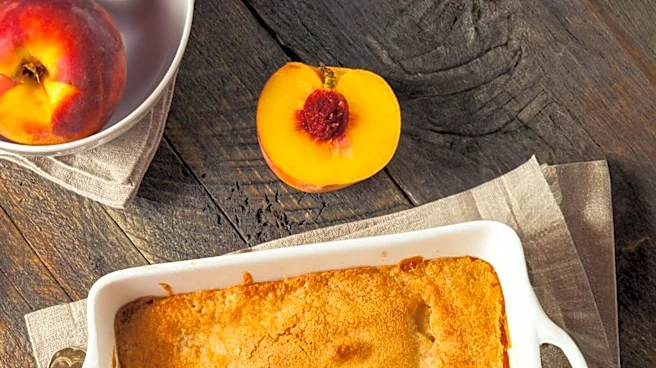







Cobbler is a dish that defies simple categorization, existing as both a comforting dessert and, less commonly, a savory meal. This baked creation typically features a fruit or savory filling poured into a large baking dish, then covered with a topping that can range from a batter or biscuit to dumplings, particularly in the United Kingdom. Its presence is noted in the cuisines of the United Kingdom, Australia, and the United States, highlighting its
broad appeal. While often associated with sweet fruit varieties like peach or blackberry, the cobbler's adaptability allows for diverse interpretations, making it a truly versatile culinary item. The dish has even earned cultural recognition, with the Texas Legislature designating peach cobbler as the official cobbler of Texas in 2013.
The Sweet Side of Cobbler: Fruitful Traditions
Most commonly, cobblers are celebrated for their sweet, fruit-based versions. These are typically named after their primary fruit, leading to familiar favorites such as blackberry, blueberry, and peach cobbler. The tradition of serving these fruit cobblers often includes a scoop or two of vanilla ice cream, creating a delightful contrast of warm and cold, creamy and fruity textures. In the United States, particularly in regions known for their orchards, specific fruit cobblers hold a special place. Old California orchard cuisine, for instance, features peach, pear, apricot, and the highly prized Black Tartarian cherry cobblers, showcasing the regional bounty and culinary heritage.Beyond these classic fruit combinations, the sweet cobbler family includes several distinct variations. The apple pan dowdy, for example, is an apple cobbler where the crust is intentionally broken and sometimes stirred back into the filling. Another variant, the Betty, incorporates sweetened crumbs layered between the fruit. The buckle is characterized by a yellow batter, similar to cake batter, with the fruit filling mixed directly into it. These variations demonstrate the creative ways in which the basic cobbler concept can be adapted to produce different textures and flavor profiles, all while maintaining its comforting essence.
Exploring Savory Cobblers and Regional Distinctions
While sweet cobblers dominate the popular imagination, savory versions also exist, though they are less common. An example found in the United States is the tomato cobbler, which might include onion and a biscuit topping that can be enhanced with cheese or cornmeal. This savory variant bears a resemblance to Southern tomato pie, illustrating how culinary traditions can overlap and influence different dishes. The existence of savory cobblers further underscores the dish's fundamental structure: a baked filling covered with a dough-like topping, adaptable to a wide range of ingredients.Regional distinctions play a significant role in the cobbler's identity. In North America, particularly in the Canadian Maritimes, New England, and Pennsylvania Dutch communities, variations like grunts, pandowdies, and slumps are found. These are often cooked on the stovetop or in an iron skillet, with the dough placed on top in the shape of dumplings. Grunts, for instance, are said to derive their name from the sound they make during cooking. The sonker, a deep-dish version of the American cobbler, is unique to North Carolina, highlighting how local culinary practices can lead to specialized forms of a widely recognized dish. These regional interpretations showcase the cobbler's evolution and adaptation across different cultural landscapes.