






Gambling in the United States has undergone significant changes over the years, shaped by evolving legal frameworks and societal attitudes. From early prohibitions to modern-day regulations, the landscape of gambling laws reflects a complex interplay between federal oversight and state autonomy. This article explores the historical development of gambling legislation in the U.S., highlighting key milestones and turning points.
Early Prohibitions and the Rise of Illegal Gambling
In the early days of
the United States, gambling was largely unregulated, with various forms of betting taking place openly. However, as moral and religious opposition grew, many states began to impose restrictions. By the early 20th century, most forms of gambling were outlawed, forcing the activity underground. Illegal gambling operations flourished, often linked to organized crime, as they filled the void left by legal prohibitions.
Despite these restrictions, certain forms of gambling, such as horse racing, managed to survive. The Great Depression saw a temporary relaxation of laws, with some states legalizing bingo and other games to raise funds for charitable causes. However, the overall trend was one of increasing legal pressure against gambling activities.
The Mid-20th Century: Legalization and Regulation
The mid-20th century marked a turning point in the history of gambling legislation. In 1931, Nevada became the first state to legalize casino gambling, setting a precedent for others to follow. This move was largely driven by economic considerations, as the state sought to boost its economy during the Great Depression. The success of Nevada's casinos paved the way for the gradual legalization of gambling in other states.
The Indian Gaming Regulatory Act of 1988 was another significant development, allowing Native American tribes to operate casinos on their lands. This legislation recognized the sovereignty of tribal nations and provided a framework for regulating tribal gaming. As a result, tribal casinos became a major component of the U.S. gambling industry, contributing significantly to the economies of many Native American communities.
Modern Developments and the Role of the Supreme Court
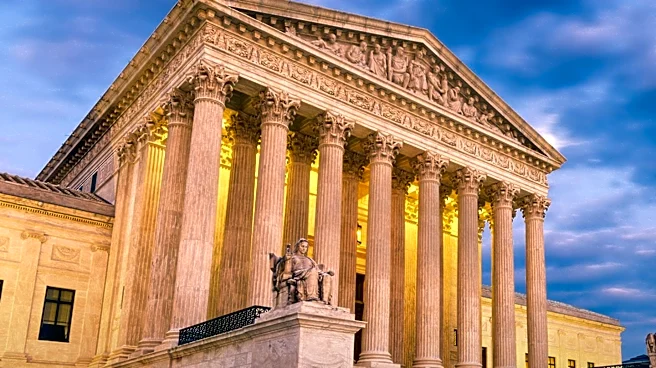
In recent years, the legal landscape of gambling in the U.S. has continued to evolve. The 1992 Professional and Amateur Sports Protection Act (PASPA) effectively banned sports betting nationwide, with a few exceptions. However, in 2018, the Supreme Court struck down PASPA, allowing states to legalize sports betting at their discretion. This decision marked a significant shift in federal gambling policy, leading to a rapid expansion of legal sports betting across the country.
Online gambling has also become a contentious issue, with states implementing varying regulations. The Federal Wire Act of 1961, originally intended to combat organized crime, has been interpreted in different ways regarding its applicability to online gambling. As technology continues to advance, the legal framework surrounding online gambling remains a topic of ongoing debate and development.
The evolution of gambling legislation in the United States reflects a dynamic interplay between legal, economic, and social factors. As states continue to navigate the complexities of regulating gambling, the future of this industry remains an area of active discussion and change.