







Microneedles have come a long way since their initial conceptualization in the 1970s. Originally derived from the use of large hypodermic needles, microneedles have evolved into a versatile tool used in both medical and cosmetic fields. This article explores the journey of microneedles from their inception to their current applications, highlighting key developments and innovations along the way.
Early Beginnings and Initial Research
The concept of microneedles first emerged in the 1970s,
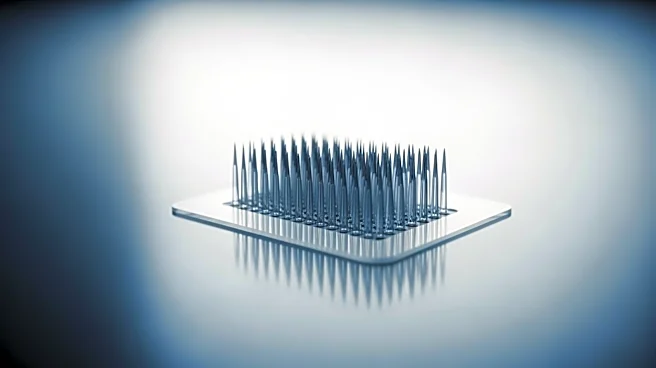
but it wasn't until the 1990s that they gained prominence. This was largely due to advancements in microfabrication technology, which allowed for the creation of smaller, more precise needles. In 1998, a pivotal paper by Mark Prausnitz's research group at the Georgia Institute of Technology demonstrated that microneedles could penetrate the stratum corneum, the skin's outermost layer, making them suitable for transdermal drug delivery.
This breakthrough opened the door to extensive research into the potential applications of microneedles. Initially, the focus was on their use in medical settings, particularly for the delivery of vaccines and other pharmaceuticals. Researchers explored the possibility of using microneedles for insulin delivery, anti-inflammatory drugs, and even in disease diagnosis.
Expansion into Cosmetic Applications
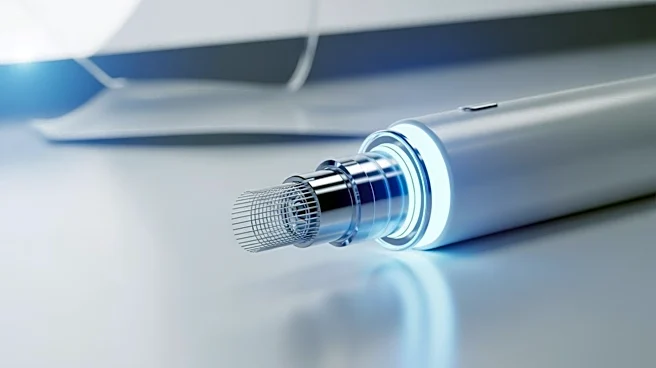
As research into microneedles continued, their potential in the cosmetic industry became increasingly apparent. The minimally invasive nature of microneedles made them an attractive option for cosmetic procedures aimed at skin rejuvenation and scar treatment. This led to the development of devices like Dermarollers and Dermapens, which are now commonly used in dermatology.
Dermarollers, for instance, are hand-held devices equipped with micro-sized needles that create tiny punctures in the skin. This process, known as collagen induction therapy, stimulates the production of collagen and elastin, leading to improved skin texture and reduced scarring. The popularity of microneedling in cosmetics has also led to the creation of home care devices, allowing individuals to perform microneedling at home.
The Future of Microneedles
The evolution of microneedles is far from over. Ongoing research continues to explore new materials and designs to enhance their effectiveness and safety. For instance, the development of dissolving microneedles made from water-soluble polymers offers a convenient, one-step approach to drug delivery without the need for needle removal.
Moreover, the potential for microneedles in personalized medicine and point-of-care testing is being actively investigated. As technology advances, microneedles may become an even more integral part of both medical and cosmetic practices, offering innovative solutions for a wide range of applications.
In conclusion, the journey of microneedles from a conceptual idea to a widely used tool in various fields is a testament to the power of innovation and research. As we look to the future, the possibilities for microneedles seem limitless, promising exciting developments in both healthcare and beauty.