




Hamid Karzai International Airport, located in Kabul, Afghanistan, has a long and complex history, serving as a vital gateway for the nation. Originally established during the Kingdom of Amanullah Khan in the 1920s, it housed aircraft for the Afghan Air Force and Afghan Post. Its initial location was slightly south of its current site, in the Chaman-e-Hozori area. Over the decades, the airport underwent significant transformations, reflecting the changing
political landscape and international involvement in Afghanistan. Its role became particularly prominent and tragic during the events of August 2021.
Evolution and Naming of the Airport
The airport's development saw a major upgrade in 1960 when Soviet engineers modernized it, adding a terminal and a concrete runway. At this time, it was known as Kabul Airport, having previously been called Khwaja Rawash Airport due to its location. This modernization facilitated increased international travel, with foreign tourists beginning to visit Afghanistan via the airport. However, this era of openness largely ended after the 1978 Saur Revolution and the subsequent Soviet invasion in 1979.
In a more recent change, from 2014 to 2021, the airport was officially named Hamid Karzai International Airport, honoring the former Afghan president for his contributions to the country's rebuilding. This decision was approved by the Cabinet of President Ashraf Ghani. However, following the Taliban's return to power in 2021, the name reverted to Kabul International Airport, reflecting the new political reality in Afghanistan.
The Airport's Role in the 2021 Evacuation
In August 2021, Kabul International Airport became the epicenter of a desperate and chaotic evacuation effort. After the Taliban took control of Kabul, thousands of people, including foreign nationals and Afghans seeking to flee the country, converged on the airport. The U.S. State Department even issued warnings about terrorist threats, advising Americans to leave the area outside the airport.
During this period, the airport witnessed harrowing scenes. On August 16, 2021, as a U.S. Air Force Boeing C-17 Globemaster III was taking off, crowds of people were seen running alongside and clinging to the aircraft. Tragically, at least two individuals died after falling from the plane, and an unknown number were possibly crushed or killed by the retracting landing gear, with human remains later found in the wheel well. All commercial flights were canceled indefinitely, making the airport solely a hub for military evacuation operations.
Security Threats and the Suicide Bombing
The heightened activity and desperate circumstances at the airport made it a target for extremist groups. On August 26, 2021, a suicide bombing occurred near Abbey Gate, a key entry point to the airport. This attack, claimed by ISIS-K, resulted in the deaths of at least 170 people, including 13 U.S. soldiers. The incident underscored the severe security challenges faced by those managing and participating in the evacuation.
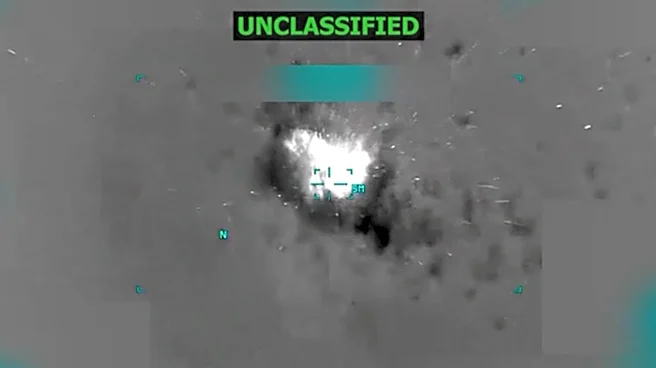
In the aftermath of the attack, U.S. troops took measures to secure the airfield. On August 30, 2021, thermite bombs were used to disable several counter rocket, artillery, and mortar systems that had been deployed to protect the airport from incoming ISIS-K rockets. This action highlighted the persistent threat of attacks and the efforts made to safeguard the remaining personnel and operations at this historically significant, yet often embattled, Afghan landmark.