


The establishment of a national day of Thanksgiving in the United States was not a straightforward process, particularly concerning the federal government's role in such proclamations. While President George Washington issued the first presidential Thanksgiving proclamation in 1789, the very authority of the federal government to propose such a day was a subject of significant debate and opposition in the early years of the republic. This contention
highlights fundamental questions about federal power, states' rights, and the separation of church and state that were central to the nation's founding principles.
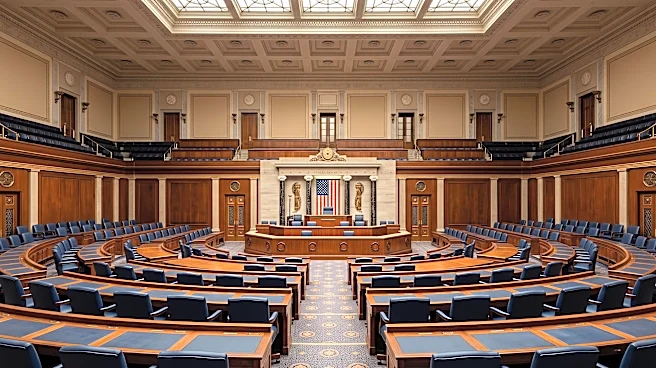
The tradition of national Thanksgiving days predated Washington's presidency, with the Second Continental Congress issuing proclamations from 1777 to 1784. These early calls for thanksgiving were often tied to specific events, such as the successful conclusion of the Revolutionary War. However, when Congress requested President Washington to recommend a day of public prayer and thanksgiving in 1789, not all members were in agreement. Elias Boudinot introduced the resolution for a joint committee to make this request, but figures like Tucker expressed strong reservations, arguing that the federal government did not possess the constitutional power to propose such a day.
Presidential Disagreement and Constitutional Concerns
Washington, despite the internal debate, proceeded with the proclamation, acknowledging the joint request from both Houses of Congress. His declaration on October 3, 1789, set Thursday, November 26, 1789, as a day for public thanksgiving and prayer. This act, while establishing a precedent, did not resolve the underlying constitutional questions for all future leaders. The opposition voiced by some members of Congress reflected a broader concern about the scope of federal authority and the potential for overreach into matters traditionally considered within the purview of individual states or private religious practice.
Indeed, the debate continued well beyond Washington's tenure. Several presidents who followed him openly opposed days of national thanksgiving. Thomas Jefferson, a prominent figure in the early republic, was particularly vocal in denouncing such proclamations. Jefferson's stance was rooted in his interpretation of the Constitution and his belief that religious observances were best left to the states or to individuals, rather than being mandated or even recommended by the federal government. This philosophical disagreement meant that the observance of a national Thanksgiving remained inconsistent for many years, dependent on the political and ideological leanings of the sitting president.
The Path to Regularization Amidst Persistent Questions
The intermittent nature of national Thanksgiving proclamations persisted for decades due to these foundational debates. It was not until 1863, during the Civil War, that President Abraham Lincoln established the regular tradition of observing days of national thanksgiving. Lincoln's decision to issue annual proclamations effectively solidified the holiday's place in the national calendar, transforming it into a consistent annual event. This move, however, did not erase the historical context of the earlier debates regarding federal authority.
Lincoln's actions, while widely accepted and celebrated, represented a shift from the earlier, more cautious approach of some presidents. The establishment of a regular national Thanksgiving tradition by Lincoln underscored a growing national identity and a desire for unifying observances, even as the underlying questions about federal power in such matters had been a point of contention for nearly a century. The evolution of Thanksgiving thus reflects a broader narrative of how the United States grappled with defining the boundaries of federal authority and the role of government in public life.