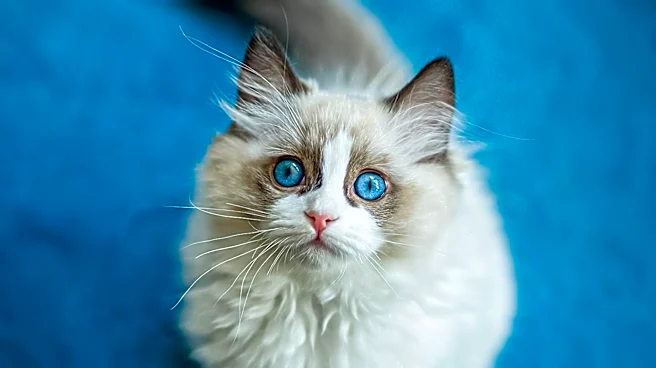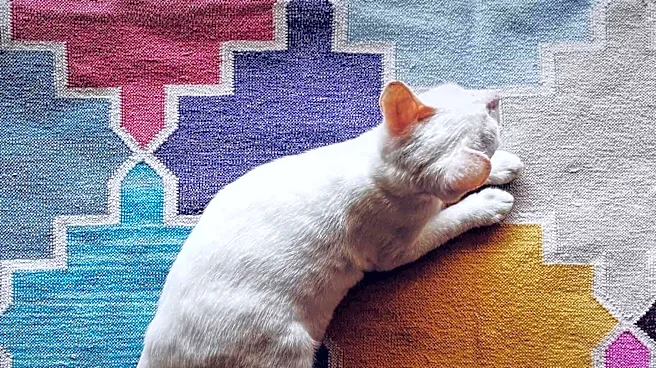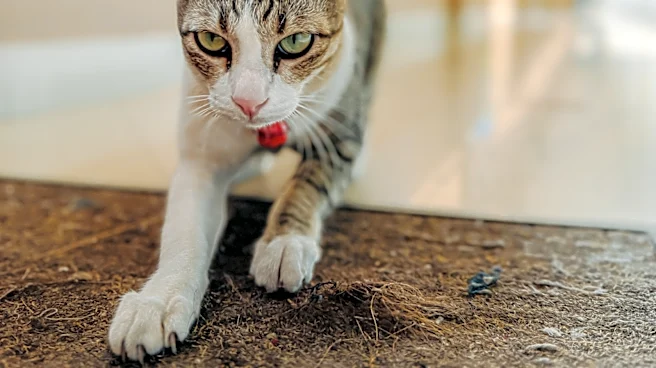






Bicolor cats, characterized by their white fur combined with another color, present a fascinating array of patterns and appearances. These distinctive coats are not just a matter of aesthetics; they are rooted in specific genetic factors, primarily the presence of a white spotting gene alongside a recessive allele of the agouti gene. This genetic combination allows for the striking contrast between colored and white fur, leading to many recognized
patterns, each with its own unique charm and characteristics. Understanding these patterns offers insight into the rich diversity within the feline world.
The white spotting gene is crucial in determining how much of a cat's fur will be white. The extent of white fur can vary significantly, leading to a grading system that ranges from one (completely colored) to ten (completely white). This spectrum allows for a wide variety of bicolor appearances, from cats with just a touch of white to those that are almost entirely white with only small patches of color. The specific distribution and amount of white fur are what define the different named patterns, making each bicolor cat a unique canvas of color and white.
Genetic Basis of Bicoloration
The presence of a white spotting gene, combined with a recessive allele of the agouti gene, is what gives rise to solid-color bicolor cats. The agouti gene plays a significant role in determining coat patterns; in bicolor cats, its recessive allele helps to even out the striped pattern that might otherwise be present within the colored areas of the coat. This contrasts sharply with tabby cats, where the agouti gene actively produces striping in their fur. For instance, the Abyssinian cat, known for its agouti (ticked tabby) fur, appears to have an even color due to color-banded hairs, rather than distinct stripes.
This genetic interplay means that while a cat might carry genes for a certain color, the white spotting gene dictates where that color will actually appear on the body. The result is a clear separation between colored patches and white areas, which is a hallmark of bicolor cats. The precise mechanisms by which these genes interact to produce such varied and distinct patterns are a testament to the complexity of feline genetics, contributing to the endless diversity seen in cat breeds and mixed-breed cats alike.
Exploring Distinct Bicolor Patterns
Among the many patterns, some are particularly well-known. Tuxedo cats, for example, exhibit a low-to-medium grade of white spotting, typically limited to their face, paws, throat, and chest, on an otherwise black coat. This classic pattern gives them the appearance of wearing formal attire. On the other end of the spectrum are Van-patterned cats, which display high-grade bicolor, meaning they are predominantly white, often more than 75% white. This pattern is characteristic of the Turkish Van breed, with color typically concentrated around the ears and tail, separated by extensive white fur. They may also have small, coin-sized colored spots on or around their spine.
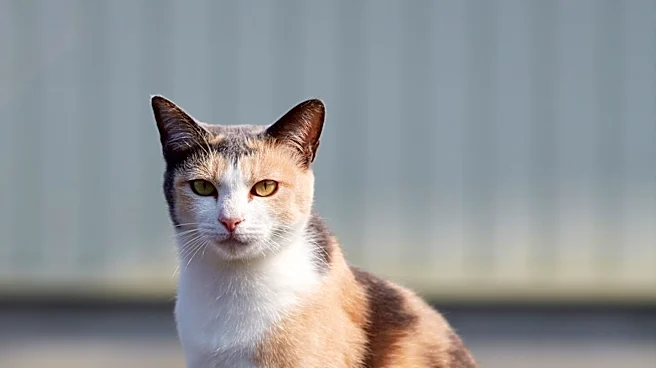
Another intriguing pattern is the harlequin, sometimes referred to as a cow cat, moo cat, magpie, or panda cat. Harlequin patterned cats are predominantly white, generally between 50% and 75% white, with colored markings on their body, head, and tail. Unlike tuxedo cats, they do not have a solid colored "jacket." Instead, harlequin patterns feature multiple, conjoined, or larger spots on the body, or an extended head spot that reaches the face. This category also includes patterns like "cap-and-saddle" and "mask-and-mantle," further illustrating the wide range of appearances within the harlequin designation.
The "True Bicolor" and Show Standards
The term "true bicolor" or simply "bicolor" often refers to a specific pattern that is highly valued in show-quality purebred cats. These cats typically have a medium grade of white spotting, generally around 25% to 50% white. For a "standard" bicolor coat to compete in cat shows, organizations like the Fédération Internationale Féline (FIFe) stipulate that the color patches must be clearly separated, evenly colored, and harmoniously distributed. They also specify that at least half, but no more than three-quarters, of the cat should be colored, with the remainder being white. The World Cat Federation (WCF) allows for a similar range, between one-half and two-thirds colored.
These strict standards highlight the importance of precise pattern distribution in the world of cat fancying. The Cat Fanciers' Association (CFA) further clarifies that cats with only a small locket or button (a patch on the chest) do not qualify for this specific color class, emphasizing the need for more substantial and well-defined white areas to be considered a "true bicolor." This attention to detail ensures that the aesthetic qualities of these patterns are maintained and celebrated within competitive environments, showcasing the beauty and variety of bicolor cats.