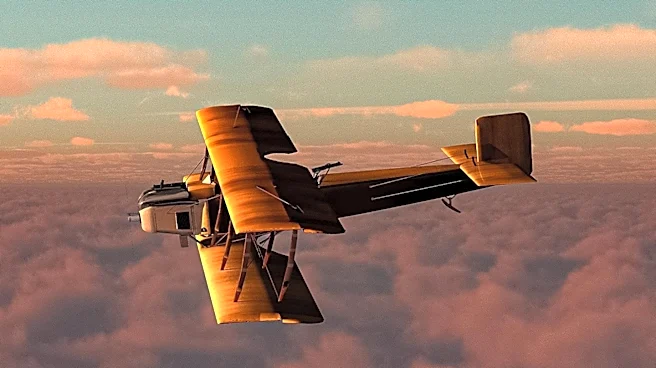






The Wright brothers' pioneering flights in 1903 marked the dawn of aviation, yet the path from initial success to widespread acceptance and lucrative contracts was far from straightforward. Despite achieving the first sustained, controlled, powered flights, they faced years of skepticism, secrecy, and the arduous task of convincing both governments and private entities of the practical utility and reliability of their invention. Their journey involved
careful patent protection, strategic negotiations, and ultimately, compelling public demonstrations that transformed their status from inventors to global aviation leaders.
Early Rejections and the Quest for Confidentiality
Following their historic flights in December 1903, the Wright brothers initially sought to protect their invention. While U.S. newspapers reported on their achievements, these accounts were often inaccurate, prompting the brothers to issue a clarifying statement in January 1904. After a public demonstration in May 1904 in Dayton, they deliberately scaled back efforts to publicize their work. This decision was influenced by advice from their patent attorney, who urged them to keep the details of their machine confidential to safeguard their intellectual property.
This period of discretion, while prudent for patent protection, inadvertently contributed to skepticism. In 1905, only a few dozen people witnessed flights of the Wright Flyer III. The lack of widespread public demonstrations meant that many remained unconvinced. A significant setback occurred in 1906, almost three years after their initial success, when the U.S. Army rejected an offer from the Wrights. The Army's rationale was clear: the proposed machine's ability to fly had not been sufficiently demonstrated. This rejection underscored the challenge the brothers faced in translating their private successes into official, verifiable proof that would satisfy potential buyers, especially military organizations looking for reliable technology.
Building Credibility and International Negotiations
Despite the initial military rejection and ongoing skepticism, the Wright brothers continued to refine their aircraft and build a case for its viability. By 1907, their claims had gained enough traction that they were actively engaged in negotiations with several major powers. They entered discussions with Britain, France, and Germany, indicating a growing international interest in their technology. These negotiations were crucial steps toward securing the financial backing and official recognition needed to move beyond experimental flights.
Their meticulous record-keeping played a vital role in establishing their credibility. The Wrights maintained detailed logs and diaries of their work, and their extensive correspondence with aviation pioneer Octave Chanute provided a virtual history of their efforts. Although they did not make public any photos of their powered flights until 1908, and their written records were not publicly available until 1953, these internal documents supported their claims and provided a foundation for serious discussions with potential partners.
Securing Contracts and Global Demonstrations
The turning point arrived in early 1908 when the Wright brothers successfully concluded contracts with both the U.S. War Department and a French syndicate. These agreements were monumental, signifying official acceptance and a commitment to purchase their aircraft. The contracts stipulated acceptance trials, which would require public demonstrations of the aircraft's capabilities.
In May 1908, Wilbur Wright traveled to Europe to conduct the acceptance trials for the French contract. His flights there were met with widespread astonishment and effectively silenced any remaining doubts about the Wright Flyer's performance. These public showings, alongside Orville's demonstrations in the U.S., were critical in establishing the Wright brothers' prestige and securing almost universal public recognition for their pioneering work. The successful fulfillment of these contracts not only brought financial reward but also cemented their legacy as the inventors of practical, controllable aircraft, paving the way for the future of aviation in both military and commercial applications.