





John Lewis was a tireless advocate for voting rights, playing a crucial role in the passage of landmark legislation that transformed the American electoral landscape. His efforts to ensure equal access to the ballot box have left a lasting legacy in the fight for civil rights.
The Fight for Voting Rights
Lewis's commitment to voting rights was evident in his early activism with the Student Nonviolent Coordinating Committee (SNCC). He led voter registration drives and peaceful
protests against voter suppression in the South, often facing violence and arrest.
One of the most significant moments in Lewis's fight for voting rights was the march from Selma to Montgomery in 1965. Known as "Bloody Sunday," the marchers were met with brutal violence from Alabama state troopers. The images of the assault galvanized public support for voting rights legislation.
The Voting Rights Act of 1965
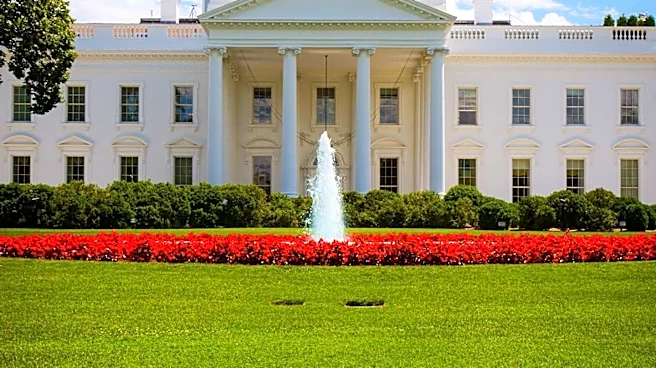
The events in Selma were a catalyst for the passage of the Voting Rights Act of 1965. Lewis attended the signing ceremony at the White House, witnessing President Lyndon B. Johnson enact a law that banned discrimination at the polls and sanctioned federal oversight of elections.
The Voting Rights Act included a "preclearance" requirement, ensuring that counties with a history of discrimination received Department of Justice approval before changing voting laws. This provision was crucial in protecting minority voting rights and expanding access to the ballot.
Continuing the Legacy
Throughout his congressional career, Lewis remained a staunch defender of voting rights. He advocated for the reauthorization of the Voting Rights Act and opposed amendments that would make it harder to register to vote. Lewis was clear that the gains in voting rights were not irreversible and continued to fight for equal protection under the law.
In 2013, when the Supreme Court struck down the formula used to determine which jurisdictions were subject to preclearance, Lewis denounced the decision, warning of the potential for history to repeat itself. His unwavering commitment to voting rights has inspired generations to continue the fight for equality.
John Lewis's legacy as a champion of voting rights is a testament to his dedication to justice and equality. His work has paved the way for future generations to continue the struggle for fair and accessible elections in America.