



The 1995 Carolina Panthers season was not just about the games played on the field; it was a testament to the foundational leadership and logistical planning that brought a new NFL franchise to life. From the owner's vision to the general manager's roster construction and the head coach's on-field strategy, every element played a crucial role in shaping the team's inaugural year. This period also involved significant logistical considerations, such
as securing a temporary home stadium, which underscored the complex undertaking of launching a professional football team. The combined efforts of these key figures and the strategic decisions made off the field were instrumental in the Panthers' surprisingly strong debut.
The Guiding Hands: Owner, General Manager, and Head Coach
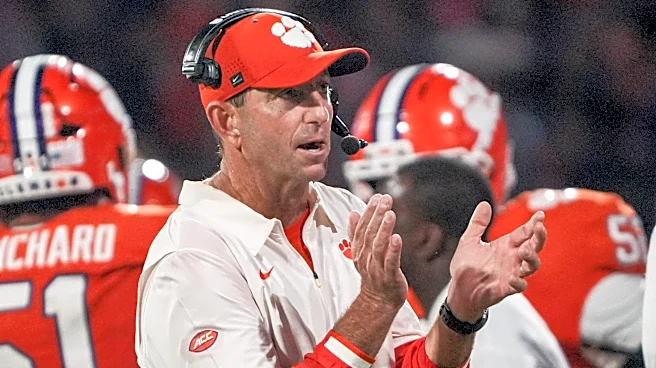
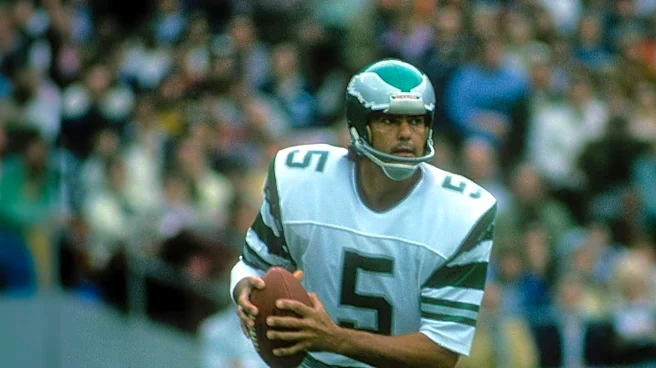
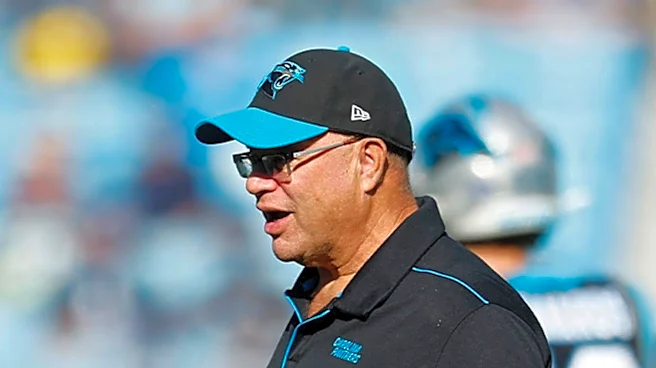
At the helm of the Carolina Panthers in their inaugural season was owner Jerry Richardson, whose vision brought the franchise into existence. Supporting Richardson in the critical task of building a competitive team was general manager Bill Polian. Polian was responsible for assembling the roster, making key personnel decisions that would define the team's initial identity. The on-field leadership was entrusted to head coach Dom Capers, who was tasked with molding the newly formed team into a cohesive unit capable of competing in the demanding National Football League. This triumvirate of leadership—Richardson, Polian, and Capers—formed the core decision-making body that guided the Panthers through their challenging first year.
Navigating the Home Field Challenge
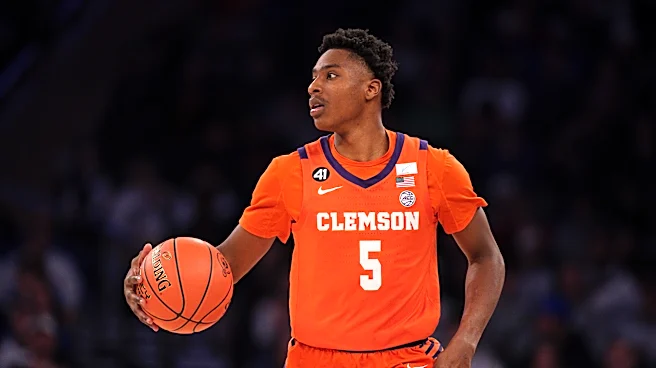
One of the most immediate and practical challenges for the 1995 Carolina Panthers was the absence of a permanent home stadium. While the future Ericsson Stadium was still under construction, the team needed a venue to host its home games. The solution was to play at Memorial Stadium, located at Clemson University in Clemson, South Carolina. This temporary arrangement was a direct consequence of a deadline point in 1995 for scheduling the Panthers' first set of NFL games. The need to adapt to a university stadium for an entire professional season highlights the logistical hurdles that expansion franchises must overcome, demonstrating the flexibility required to establish a new team in the league.
Performance and Divisional Standing
Despite the logistical complexities and the inherent difficulties of being an expansion team, the Panthers achieved a commendable record of 7 wins and 9 losses in their first season. This performance placed them fourth in the NFC West division. While they did not qualify for the playoffs and had no players selected for the Pro Bowl, their record was a significant accomplishment. The 7-9 finish was recognized as the best debut year for any expansion franchise since the NFL's inception, a testament to the effective leadership and strategic planning implemented by Richardson, Polian, and Capers. Their ability to quickly establish a competitive team set a new standard for how expansion teams could perform in their initial seasons.