







The Interstate Highway System is not only a marvel of engineering but also a significant driver of economic growth in the United States. Since its establishment in 1956, the system has transformed the nation's economy by facilitating efficient transportation, reducing travel times, and connecting markets across the country. This article explores the economic impact of the Interstate Highway System and its role in shaping modern America.
Facilitating Commerce and Trade
One of the
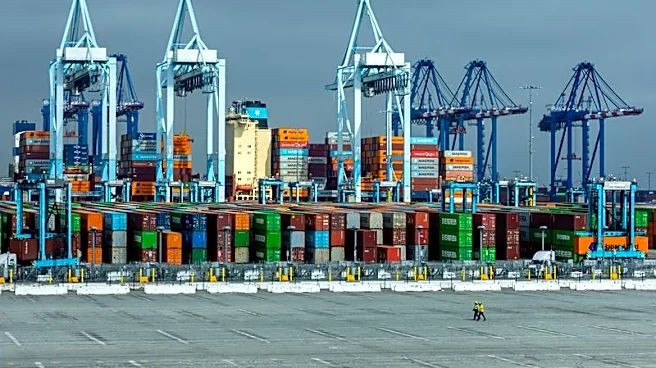
primary economic benefits of the Interstate Highway System is its role in facilitating commerce and trade. By providing a network of high-speed, controlled-access highways, the system has significantly reduced transportation costs for businesses. This has allowed companies to expand their markets, reach new customers, and increase their competitiveness.
The system's design, which includes standardized construction and signage, ensures that goods can be transported quickly and efficiently across state lines. This has been particularly beneficial for industries that rely on just-in-time delivery, such as manufacturing and retail. The ability to move products swiftly and reliably has contributed to the growth of the U.S. economy and the expansion of domestic and international trade.
Supporting Regional Development
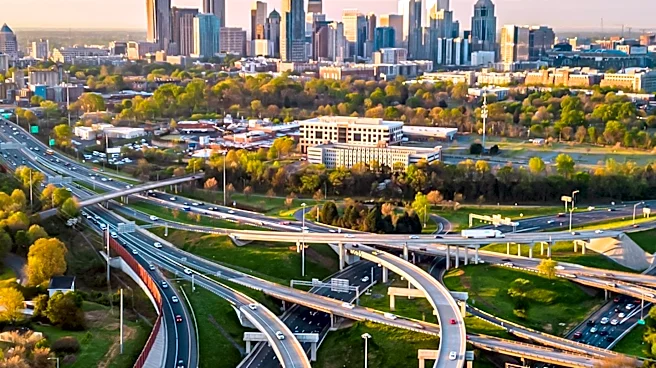
The Interstate Highway System has also played a crucial role in supporting regional development. By connecting urban centers with rural areas, the system has facilitated the movement of people and resources, leading to the growth of suburban and exurban communities. This has resulted in increased economic opportunities for regions that were previously isolated or underserved.
The highways have also attracted businesses and industries to areas with easy access to major transportation routes. This has led to the development of industrial parks, distribution centers, and commercial hubs along the interstate corridors. As a result, regions with access to the Interstate Highway System have experienced higher rates of economic growth and job creation compared to those without.
Challenges and Future Prospects
Despite its many benefits, the Interstate Highway System faces challenges that could impact its future economic contributions. Aging infrastructure, increasing traffic congestion, and environmental concerns are pressing issues that require attention and investment. To maintain the system's economic viability, ongoing maintenance and upgrades are essential.
Looking ahead, the Interstate Highway System will continue to play a vital role in the U.S. economy. As technology advances and transportation needs evolve, the system will need to adapt to accommodate new modes of travel and address emerging challenges. By investing in the maintenance and modernization of the Interstate Highway System, the United States can ensure its continued economic success and competitiveness in the global market.