



Morocco, located in the extreme northwest of Africa, boasts a rich and varied geography that includes everything from coastal plains to towering mountain ranges and arid deserts. This diversity not only shapes the country's climate and natural beauty but also influences its culture and economy. Understanding Morocco's geography provides insight into how its landscapes have shaped the lives of its people.
Coastal Regions and Plains
Morocco's geography is defined by its extensive
coastlines along the Mediterranean Sea to the north and the Atlantic Ocean to the west. These coastal areas are home to fertile plains that support a significant portion of the country's agriculture. The Moroccan Plateau, stretching from Tangier to Essaouira, is a key agricultural region, contributing to 15% of the local economy. The Saiss Plains near Fez and the Tansift-Alhaouz near Marrakesh are also vital agricultural areas, benefiting from the fertile soil and favorable climate.
The coastal climate is predominantly Mediterranean, characterized by hot summers and mild winters. This climate supports a variety of vegetation typical of the Mediterranean region. As one moves inland from the coast, the climate becomes more continental, with colder winters and hotter summers, especially in the mountainous areas.
Mountainous Terrain
Morocco's terrain is largely mountainous, with the Atlas Mountains serving as the country's backbone. This range stretches approximately 1,350 kilometers from the central north to the southwest, providing a dramatic landscape that influences both climate and human activity. The Rif Mountains, part of the Sierra Nevada mountain range, extend from Tangier to Nador, adding to the country's rugged topography.
The mountains create a variety of microclimates, with alpine conditions at higher elevations. These areas experience warm summers and cold winters, with abundant snowfall, making them popular for winter sports. The presence of two ski stations, one in the Middle Atlas and another in the High Atlas, highlights the recreational opportunities these mountains offer.
Arid Deserts and Oases
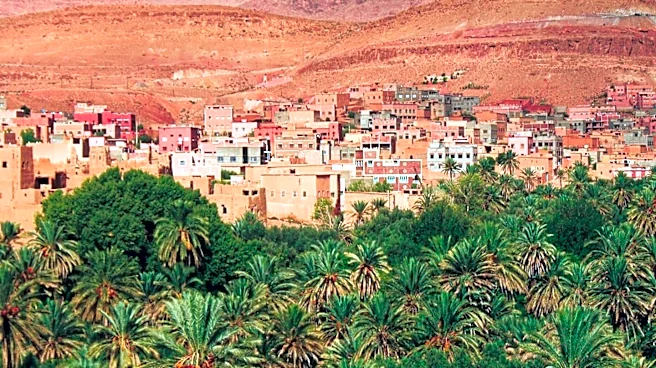
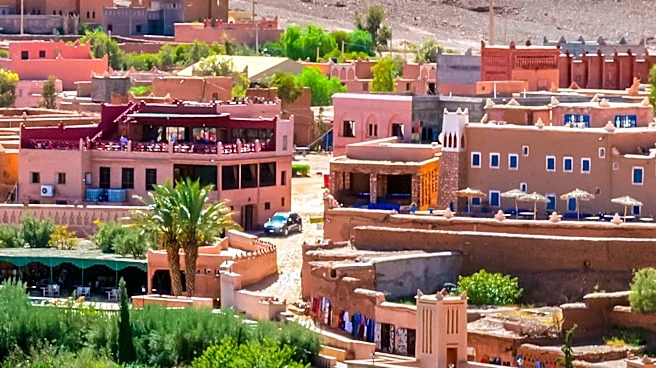
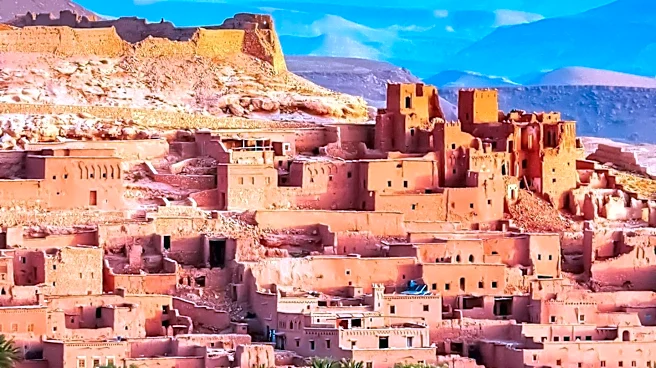
In the extreme southeast of Morocco, the landscape transitions into arid desert regions, influenced by the proximity to the Sahara Desert. These areas are sparsely populated due to the harsh climate, but they are not devoid of life. Oases, such as those in Figuig and Zagora, provide vital water sources and support palm tree cultivation, creating pockets of greenery in the otherwise barren desert.
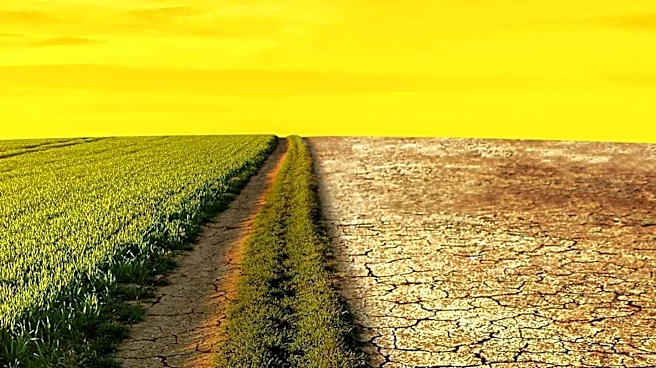
The climate in these desert regions is characterized by extreme temperatures and minimal rainfall. Despite these challenges, the oases play a crucial role in sustaining local communities and agriculture. The contrast between the lush oases and the surrounding desert highlights the adaptability of life in Morocco's diverse geographical settings.