






The Oval Office address stands as a powerful and traditional means for a U.S. President to communicate directly with the nation, especially during periods of significant national or international crisis. Delivered from the symbolic heart of American executive power, these addresses aim to inform, reassure, and rally public support. One of the most historically significant examples of this presidential communication tool was John F. Kennedy's address on October
22, 1962, during the Cuban Missile Crisis, which dramatically informed Americans about the discovery of Soviet missile installations in Cuba and the U.S. response.
Kennedy's Pivotal Address During the Cuban Missile Crisis
On that fateful October evening in 1962, President Kennedy utilized the prime-time Oval Office address to explain the gravity of the Cuban Missile Crisis to the American people. He detailed the discovery of Soviet ballistic missile installations in Cuba and outlined the U.S. strategy, which included a naval blockade of the island. This speech was not merely an informational update; it was a critical component of the U.S. response, designed to convey the seriousness of the situation and the resolve of the American government to both its citizens and the global community. The address underscored the immediate threat posed by the missiles and the necessity of preventing further Soviet military shipments to Cuba.
Kennedy's address served multiple purposes. It prepared the nation for potential conflict, explained the rationale behind the U.S. actions, and sought to garner public support for the difficult decisions being made. The directness and solemnity of an Oval Office address are intended to cut through political noise and deliver a clear message from the Commander-in-Chief. In the context of the Cold War and the looming threat of nuclear war, Kennedy's words carried immense weight, shaping public perception and international reactions to the crisis.
Evolution and Modern Relevance of the Address
Traditionally, Oval Office addresses are delivered with the president seated at the Resolute desk, speaking directly into the camera. While occasionally a president might stand at a lectern, the intimate setting of the Oval Office itself is a key element of the address's impact. Historically, artificial backgrounds, often plain blue fabric, were used, but since the administration of Gerald Ford, the natural backdrop of the Office's windows has been preferred, adding to the authenticity and gravitas of the message.
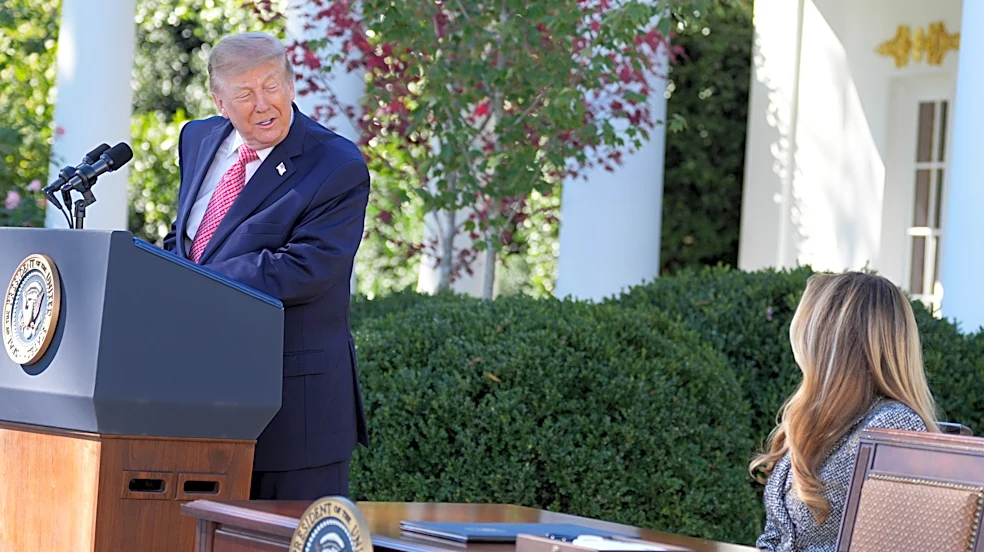
Despite suggestions that the traditional Oval Office address might be losing favor in the information age, with some White House aides describing it as an "argument from the '80s," the practice has continued into recent presidencies. While presidents like Barack Obama, Donald Trump, and Joe Biden have also used other White House settings for major announcements, the prime-time Oval Office address remains a significant tool. For instance, Donald Trump requested airtime for an address on January 8, 2019, during a government shutdown, and Joe Biden did so on June 2, 2023, during the debt-ceiling crisis. These instances demonstrate that despite evolving media landscapes, the unique authority and directness of an Oval Office address continue to be valued by presidents in moments requiring direct communication with the American public.