







The Treaty on the Prohibition of Nuclear Weapons (TPNW) marks a significant milestone in the global effort to eliminate nuclear weapons. Adopted in 2017 and entering into force in 2021, the treaty represents the first legally binding international agreement to comprehensively prohibit nuclear weapons. This article explores the historical development of the TPNW and its significance in the broader context of nuclear disarmament.
The Road to Adoption
The journey towards
the adoption of the TPNW began with a growing international consensus on the need to address the catastrophic consequences of nuclear weapons. The treaty was adopted on July 7, 2017, by a vote at the United Nations, reflecting the commitment of many countries to fill the legal gap in the existing international regime governing nuclear weapons. The treaty was opened for signature on September 20, 2017, and required ratification by 50 states to enter into force.
Proponents of the treaty believed that it would help stigmatize nuclear weapons and serve as a catalyst for their elimination. The treaty's adoption was seen as an "unambiguous political commitment" to achieve and maintain a nuclear-weapon-free world. Unlike a comprehensive nuclear weapons convention, the TPNW was not intended to contain all the legal and technical measures required for elimination, allowing for a quicker conclusion of the initial agreement.
Key Provisions and Framework
The TPNW prohibits a wide range of activities related to nuclear weapons for its state parties. These include the development, testing, production, stockpiling, stationing, transfer, use, and threat of use of nuclear weapons. The treaty also forbids any assistance or encouragement of these prohibited activities. For nuclear-armed states joining the treaty, it provides a time-bound framework for negotiations leading to the verified and irreversible elimination of their nuclear weapons programs.
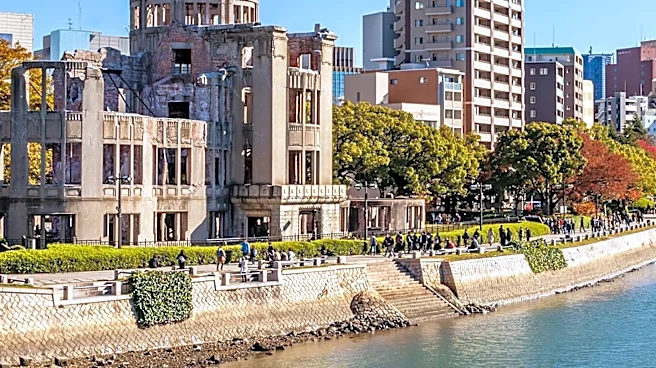
The treaty's preamble highlights the motivation behind its creation, citing the "catastrophic consequences" of nuclear weapons use, the suffering of hibakusha (survivors of the Hiroshima and Nagasaki bombings), and the slow pace of nuclear disarmament. It emphasizes compliance with existing international laws and recognizes the disproportionate impact of nuclear-weapon activities on indigenous peoples.
Global Impact and Future Prospects
Since its entry into force on January 22, 2021, the TPNW has been ratified by 74 states as of 2026. The treaty's impact extends beyond its legal provisions, as it aims to reshape the global discourse on nuclear weapons by highlighting their humanitarian impact. The TPNW encourages the participation of various stakeholders, including international and regional organizations, non-governmental organizations, and the hibakusha, in promoting disarmament and peace.
The TPNW represents a significant step towards a nuclear-weapon-free world, but challenges remain. The treaty's success depends on the continued commitment of its state parties and the engagement of nuclear-armed states in disarmament efforts. As the global community navigates the complexities of nuclear disarmament, the TPNW serves as a beacon of hope for a safer, more secure world.