




Skin care is not a one-size-fits-all approach; it evolves as we age, with different life stages requiring specific attention and care. From neonates to the elderly, each age group has unique skin characteristics and concerns that influence their skin care routines. Understanding these differences can help tailor skin care practices to better meet individual needs.
Neonates and Children
In neonates, the skin is delicate and sensitive, requiring gentle care. Guidelines for
neonatal skin care emphasize the use of mild, liquid baby cleansers or synthetic detergents over traditional soap and water. Immersion in water is often preferred to washing alone, as it is gentler on the skin. As children grow, dermatologists recommend using mild cleansers and moisturizing lotions to maintain skin health. Sunscreen is also important to protect young skin from harmful UV rays.
For children and adolescents, skin care routines should focus on maintaining cleanliness and hydration. However, the influence of social media has led to the use of inappropriate products, such as anti-aging treatments, which are unnecessary and potentially harmful for young skin. Encouraging the use of sunscreen and age-appropriate products is crucial during these formative years.
Adults and Middle Age
As individuals enter adulthood, skin care routines often become more complex to address specific concerns like acne, hyperpigmentation, and the early signs of aging. Cleansing, exfoliating, and moisturizing remain essential, but targeted treatments become more prominent. Ingredients like retinoids and vitamin C are commonly used to combat fine lines and uneven skin tone.
In middle age, the focus shifts towards maintaining skin elasticity and preventing further aging. Moisturizers with humectants and antioxidants can help keep the skin hydrated and protected from environmental damage. Regular use of sunscreen continues to be important to prevent sunspots and other UV-related skin issues.
Elderly Skin Care
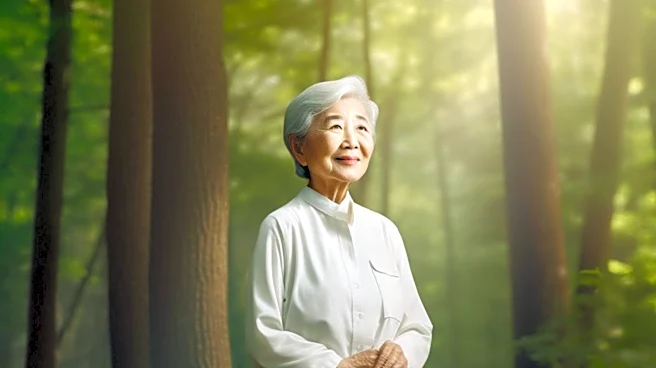
In the elderly, skin becomes more vulnerable and prone to dryness, wrinkles, and other age-related changes. Gentle cleansing with synthetic detergents or amphoteric surfactants is recommended to minimize skin dryness. Moisturizers with humectants and occlusive agents can help maintain skin integrity and prevent injuries.
Skin care for the elderly should also address common issues like pruritus and pressure ulcers. Using warm water instead of hot for bathing and applying hypoallergenic moisturizers can alleviate dryness and discomfort. Overall, adapting skin care routines to accommodate the changing needs of aging skin is essential for maintaining health and comfort.
By recognizing the distinct skin care needs at each life stage, individuals can better protect and nurture their skin throughout their lives.