

Apollo 11 marked a monumental achievement in human history as the first manned mission to land on the Moon. This groundbreaking event took place on July 20, 1969, when astronauts Neil Armstrong and Buzz Aldrin set foot on the lunar surface, while Michael Collins orbited above in the command module. The mission was a culmination of years of planning, technological advancements, and the relentless pursuit of exploration.
Launch and Journey to the Moon
The Apollo 11 mission began with
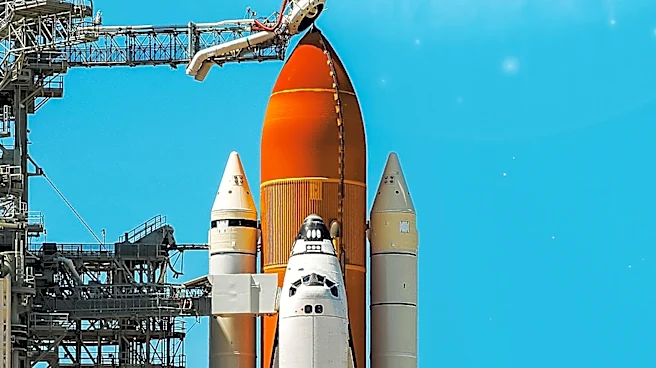
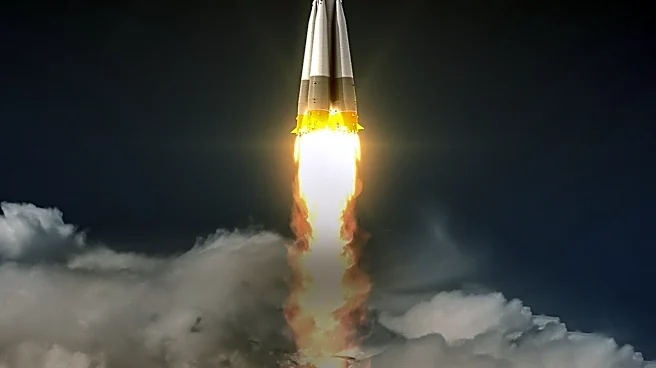
its launch from Kennedy Space Center on July 16, 1969. The spacecraft was propelled by the powerful Saturn V rocket, which was designed to carry astronauts beyond Earth's atmosphere and into space. As the rocket ascended, it marked the beginning of a journey that would capture the world's attention and imagination.
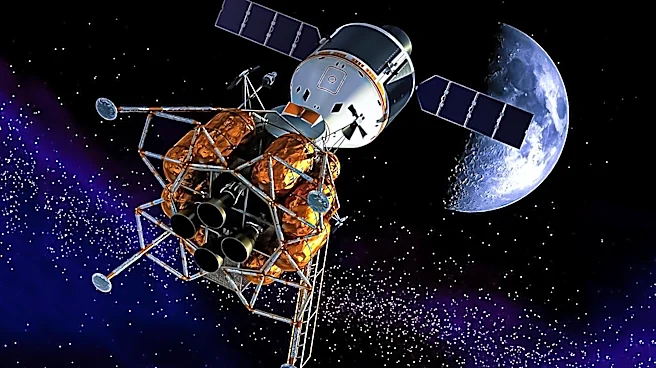
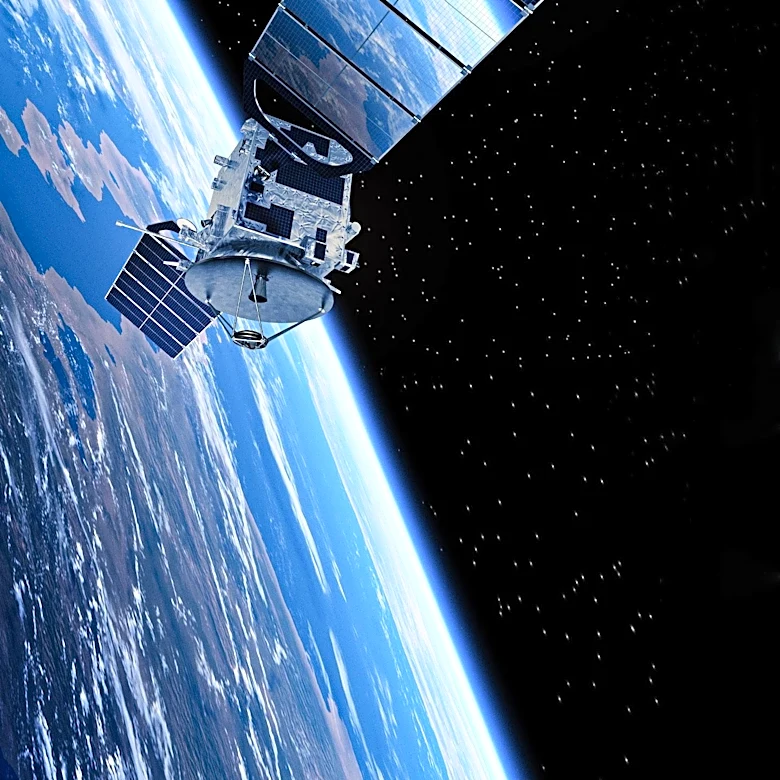
Once in space, the crew of Apollo 11 embarked on their journey to the Moon. The spacecraft consisted of two main parts: the command module, piloted by Michael Collins, and the lunar module, which would eventually land on the Moon. The journey was meticulously planned, with precise calculations ensuring the spacecraft's trajectory would lead them to their lunar destination.
Lunar Landing and Exploration
On July 20, 1969, the lunar module, named Eagle, separated from the command module and began its descent to the Moon's surface. Neil Armstrong and Buzz Aldrin were aboard the Eagle, ready to make history. As the module touched down, Armstrong famously declared, "The Eagle has landed," signaling the successful arrival on the Moon.
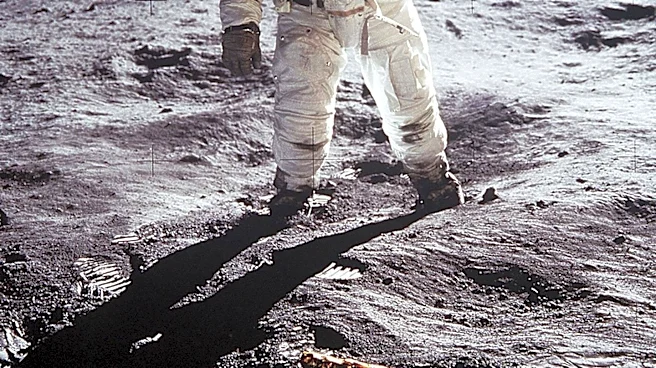
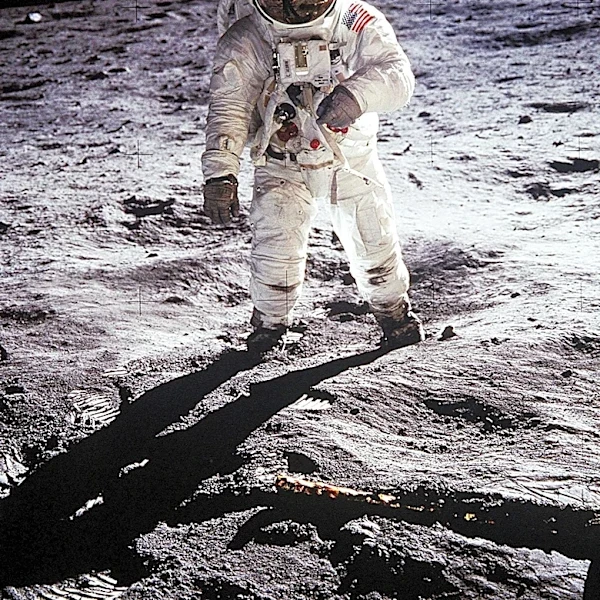
Armstrong was the first to step onto the lunar surface, uttering the iconic words, "That's one small step for man, one giant leap for mankind." Aldrin soon followed, and together they conducted experiments, collected samples, and took photographs. Their exploration provided invaluable data and insights into the Moon's composition and environment.
Return to Earth
After spending several hours on the Moon, Armstrong and Aldrin returned to the lunar module and prepared for their journey back to the command module. The Eagle ascended from the Moon's surface and successfully docked with the command module, where Collins awaited their return.
The crew then began their journey back to Earth, re-entering the atmosphere and splashing down in the Pacific Ocean on July 24, 1969. The mission was hailed as a triumph of human ingenuity and courage, forever changing the course of space exploration and inspiring generations to dream of reaching beyond our planet.