




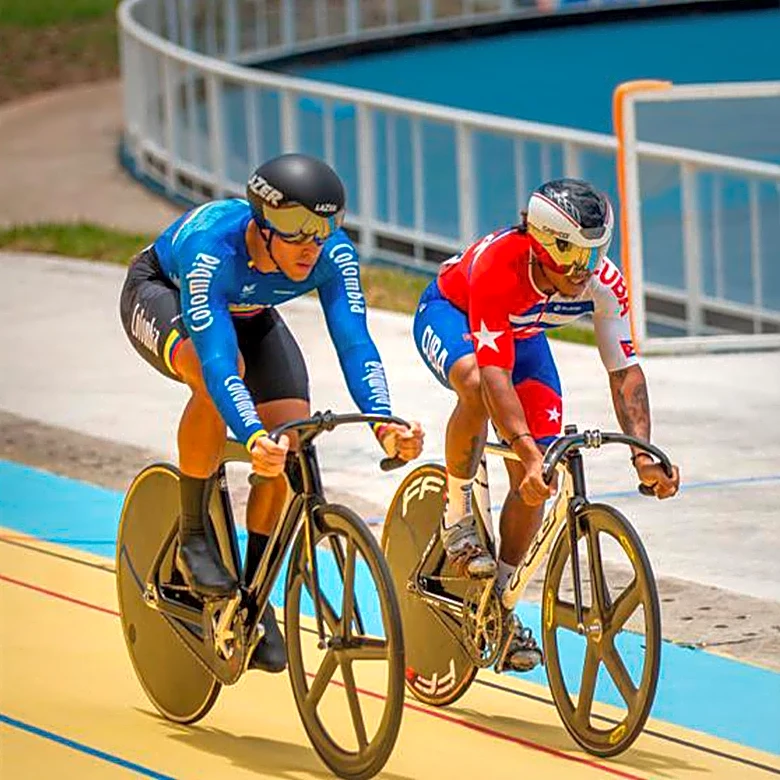



Track cycling, a bicycle racing sport held in a velodrome, boasts a rich history dating back to at least 1870. In its early days, the sport was contested on velodromes that, while similar in concept to today's facilities, varied significantly in length and material. These initial tracks featured two straights and slightly banked turns, a design that laid the groundwork for the modern velodrome. The appeal of indoor track racing was immediate, largely
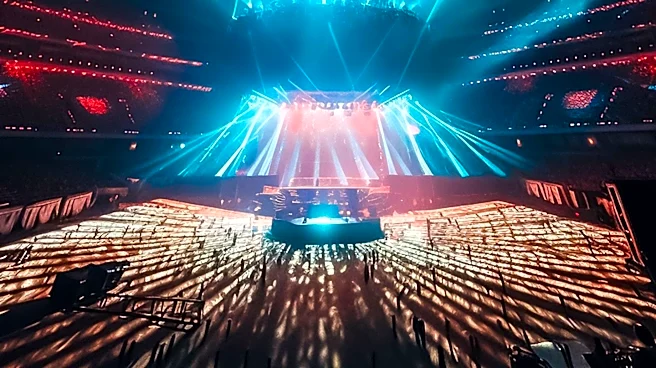
due to the ability to control spectators and charge an entrance fee, making it a lucrative sport that attracted crowds of up to 2,000 people. This indoor setting also offered the novel advantage of year-round cycling, a significant development for the sport.
Early Centers and Technological Advancements
The main early centers for track racing in Britain included Birmingham, Sheffield, Liverpool, Manchester, and London, highlighting the sport's initial geographic strongholds. Over more than a century, the most notable transformations in track cycling have revolved around the bicycles themselves. Engineers continuously worked to make bikes lighter and more aerodynamic, directly contributing to ever-faster times and pushing the boundaries of athletic performance. This ongoing technological evolution has been a constant theme throughout the sport's history, adapting to new materials and design principles to maximize speed.
Track cycling quickly gained international recognition, becoming a fixture in the Olympic Games. It has been featured in every modern Olympic Games with the exception of the 1912 Games. A significant milestone for gender equality in the sport occurred in 1988 when women's track cycling events were first included in the modern Olympics. Further changes to the Olympic format saw the sport move indoors for the 2000 Summer Olympics in Sydney, Australia, primarily due to concerns about hot weather conditions, demonstrating the sport's adaptability to environmental factors and athlete welfare.
Velodrome Dimensions and Global Popularity
Over the decades, the standard lengths of track cycling velodromes have gradually been reduced. Early velodromes varied widely, ranging from 130 to 500 meters long. By the period between the 1960s and 1989, a standard length of 333.333 meters was commonly adopted for international competitions. However, since 1990, international velodromes are typically constructed with a length of 250 meters, though tracks of various lengths continue to be used worldwide. This standardization has helped create more consistent competitive environments for athletes globally.
Track cycling enjoys particular popularity in Europe, with countries like Belgium, France, Germany, and the United Kingdom being prominent centers. In these regions, it often serves as off-season training for road racers, who frequently participate in professional six-day events, which are races entered by two-rider teams. The sport also experienced a peak in popularity in the United States during the 1930s, notably with six-day races held at Madison Square Garden in New York, a legacy that continues with the term "Madison" still used for a type of race. In Japan, the Keirin race format has become a very popular betting sport, with riders undergoing extensive training through the Japanese Keirin School, underscoring the sport's diverse cultural impact and professional development across different regions.