






Ponzu, a distinct citrus-based sauce, holds a significant place in Japanese cuisine. Known for its tart flavor and thin, watery consistency, it serves as a foundational element in many dishes. While the term "ponzu" strictly refers to the citrus-infused base, its most common form, ponzu shōyu, incorporates soy sauce, creating a darker, more complex condiment. Understanding its composition and diverse applications reveals why this sauce has become
an indispensable part of Japanese culinary tradition, from dressings to dips and toppings.
The Core Components: Crafting Authentic Ponzu
The creation of ponzu begins with a careful simmering process that blends several key ingredients. Mirin, a sweet rice wine, provides a subtle sweetness and depth, while rice vinegar contributes the essential acidic tang. To build a rich umami foundation, katsuobushi flakes, derived from dried, fermented, and smoked skipjack tuna, are added along with kombu, a type of edible kelp or seaweed. These ingredients are gently simmered over medium heat, allowing their flavors to meld and infuse the liquid.Once the simmering is complete, the mixture is cooled. A crucial step follows: straining the liquid to remove the katsuobushi flakes and kombu, resulting in a clear, flavorful base. The final and defining characteristic of ponzu comes from the addition of citrus juice. Traditional Japanese citrus fruits like yuzu, sudachi, daidai, and kabosu are commonly used, each offering a unique aromatic profile. Lemon is also a popular choice, and some variations may even include grapefruit, lime, or bergamot, allowing for a spectrum of tart and fragrant notes. This meticulous process ensures the sauce achieves its signature balance of savory and bright flavors.
Ponzu Shōyu: The Everyday Condiment
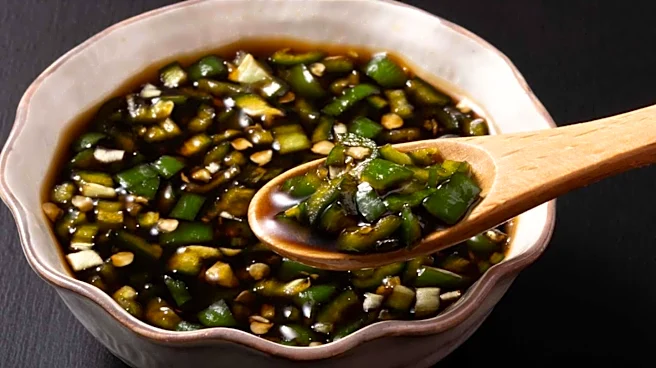
While pure ponzu is a clear, tart liquid, the product most widely recognized and simply called "ponzu" is actually ponzu shōyu. This version is ponzu with soy sauce (shōyu) added, transforming it into a dark brown, savory, and slightly salty condiment. This addition significantly broadens its appeal and utility in everyday cooking. Commercial ponzu shōyu is readily available in glass bottles and may naturally contain some sediment, which is a normal characteristic of the product.This soy-enhanced version is incredibly versatile. It traditionally serves as a dressing for tataki, a Japanese culinary technique where meat or fish is lightly grilled, then chopped. The bright, savory notes of ponzu shōyu cut through the richness of the tataki, creating a balanced flavor. It is also a staple dipping sauce for nabemono, which are Japanese one-pot dishes, including popular options like shabu-shabu. The sauce provides a refreshing counterpoint to the rich broths and ingredients of these communal meals.
Beyond the Dip: Diverse Culinary Applications
Ponzu shōyu's utility extends beyond dressings and hot pot dips. It is a favored accompaniment for sashimi, where its tart and umami profile complements the delicate flavors of raw fish without overpowering them. The sauce adds a bright acidity that can enhance the natural taste of seafood. In the Kansai region of Japan, ponzu shōyu finds another unique application: it is offered as a topping for takoyaki, savory ball-shaped snacks made with wheat flour batter and typically filled with diced octopus. This regional use highlights the sauce's adaptability and its integration into various local culinary traditions.The widespread use of ponzu shōyu across different types of dishes—from raw fish to grilled meats and fried snacks—underscores its importance in Japanese cuisine. Its ability to add a layer of tartness, umami, and savory depth makes it a go-to condiment for enhancing a wide array of flavors and textures, solidifying its status as a versatile and essential component of the Japanese pantry.