


Jack Nicklaus, often referred to as "The Golden Bear," is one of the most iconic figures in the world of golf. His career is marked by numerous achievements, but the period from 1971 to 1977 stands out as a time of significant resurgence. During these years, Nicklaus not only won multiple major championships but also solidified his position as a dominant force in the sport. This article delves into the key moments and victories that defined this era
of Nicklaus' career.
Major Victories and Achievements
The early 1970s were a time of triumph for Jack Nicklaus. In 1971, he claimed his second PGA Championship, marking the beginning of a series of major victories. This win was a testament to his skill and determination, setting the stage for further success. The following year, Nicklaus continued his winning streak by securing victories at both the Masters and the U.S. Open. These achievements not only added to his growing list of accolades but also demonstrated his ability to perform under pressure.
Nicklaus' success was not limited to these victories. Between 1971 and 1973, he participated in 55 tournaments, winning 19 of them and finishing in the top 10 in 45. This remarkable consistency underscored his dominance in the sport and his ability to maintain a high level of performance over an extended period.
Challenges and Hall of Fame Induction
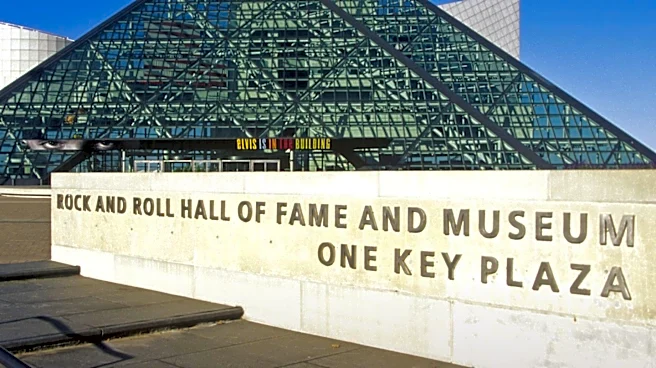
Despite his successes, the mid-1970s presented challenges for Nicklaus. In 1974, he experienced a rare dry spell, failing to win a major championship for the first time in several years. However, this did not diminish his standing in the golf world. That same year, he was inducted into the Hall of Fame, a recognition of his contributions to the sport and his status as one of its leading figures.
Nicklaus' ability to bounce back from setbacks was evident in 1975 when he won the Masters for the fifth time, setting a new record. He also claimed victory at the PGA Championship, further cementing his legacy as a top competitor. These wins were a testament to his resilience and determination to remain at the pinnacle of the sport.
Sustained Excellence and Legacy
The late 1970s saw Nicklaus continue to excel, although he faced stiff competition from emerging players. In 1977, he finished second at both the Masters and the British Open, showcasing his enduring skill and competitiveness. His performance during this period was characterized by impressive rounds, including a memorable duel with Tom Watson at the British Open.
Nicklaus' achievements from 1971 to 1977 not only reinforced his status as a golfing legend but also laid the foundation for his enduring legacy. His ability to adapt, overcome challenges, and consistently perform at a high level remains an inspiration to golfers worldwide. The Golden Bear's resurgence during these years is a testament to his exceptional talent and unwavering dedication to the sport.