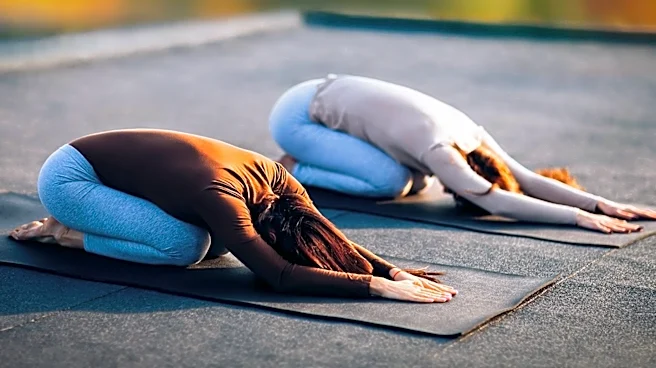

Balasana, commonly known as Child Pose, is a kneeling asana in modern yoga. This pose serves as a counter asana for various other poses and is typically practiced before and after Sirsasana. The origins
and etymology of Balasana provide insight into its development and significance in yoga practice. This article delves into the historical background and linguistic roots of this calming and restorative pose.
The Etymology of Balasana
The name Balasana is derived from the Sanskrit words "bala," meaning "child," and "asana," meaning "posture" or "seat." This etymology reflects the pose's intention to evoke a sense of childlike rest and relaxation. The simplicity of the pose, with its gentle forward fold and resting position, mirrors the natural resting posture of a child, which is likely why it was named as such.
Interestingly, Balasana was not described in yoga literature until the 20th century. This relatively recent documentation suggests that while the pose may have been practiced informally, it was not formally recognized in traditional yoga texts until modern times. The pose's name and its association with childlike qualities emphasize its role in providing a restful and nurturing experience for practitioners.
Historical Context and Development
While Balasana itself was not documented until the 20th century, a similar pose appears in Niels Bukh's 1924 "Primary Gymnastics." This indicates that the concept of a resting, childlike pose was present in physical culture practices outside of traditional yoga. The incorporation of such poses into modern yoga as exercise reflects the evolving nature of yoga practice, which has absorbed and adapted various influences over time.
Ananda Balasana, a variation of Balasana, is illustrated as Kandukasana, or Ball Pose, in the 19th-century text Sritattvanidhi. This earlier depiction of a related pose highlights the historical presence of childlike or resting postures in Indian physical culture, even if they were not explicitly labeled as Balasana at the time.
The Role of Balasana in Modern Yoga
In modern yoga practice, Balasana is valued for its restorative qualities. It is often used as a counterpose to more strenuous asanas, providing a moment of rest and reflection. The pose's simplicity allows practitioners to focus on their breath and cultivate a sense of inner calm.
Balasana's role as a counter asana underscores its importance in balancing the physical and mental demands of a yoga practice. By offering a space for relaxation and introspection, Balasana helps practitioners integrate the benefits of their practice and prepare for further exploration of more challenging poses. Its enduring presence in yoga classes worldwide attests to its universal appeal and effectiveness in promoting well-being.